





Peonies Singapore: Complete Guide to Buying, Caring & Enjoying These Luxurious Blooms

Peonies captivate flower enthusiasts worldwide with their spectacular blooms, romantic fragrance, and fleeting seasonal availability that makes them among the most coveted flowers in Singapore's luxury floral market. These sumptuous blooms, featuring layer upon layer of delicate petals in colors ranging from pristine white to deep burgundy, represent the pinnacle of floral elegance for weddings, special celebrations, and sophisticated home decor. However, their limited growing season, specific climate requirements, and premium pricing make understanding peonies essential before investing in these botanical treasures. This comprehensive guide covers everything Singapore residents need to know about sourcing, selecting, arranging, and caring for peonies in our tropical climate.
At FloraMoments, our peony collection showcases these magnificent blooms during their peak availability season, featuring carefully curated arrangements that maximize the beauty and longevity of these precious flowers. We source premium peonies from the world's finest growers and provide expert guidance on enjoying these romantic blooms in Singapore's unique climate conditions.
Understanding Peonies: Varieties and Characteristics
Peonies belong to the genus Paeonia and encompass numerous varieties with distinct characteristics, bloom forms, and growing requirements. Understanding these differences helps you select the perfect peonies for your specific needs and appreciate the diversity within this beloved flower family.
| Peony Type | Bloom Form | Petal Count | Typical Colors | Fragrance Level |
|---|---|---|---|---|
| Single Peonies | Flat, open blooms with visible center | 5-10 petals | White, pink, coral, red | Light to moderate |
| Semi-Double Peonies | Multiple petal layers, partially visible center | 10-20 petals | All colors, often bicolored | Moderate |
| Double Peonies (Most Popular) | Densely packed, full blooms, hidden center | 40-80+ petals | Full color spectrum available | Moderate to strong |
| Japanese/Anemone Peonies | Outer guard petals with frilly center | 15-25 petals | Often bicolored combinations | Light to moderate |
| Bomb Peonies | Outer petals surround raised center globe | 30-50 petals | Usually uniform colors | Moderate |
| Tree Peonies | Woody stems, enormous blooms | Varies by variety | Includes unique colors like yellow | Light to moderate |
Peony Seasonality: When to Find Peonies in Singapore
Peonies grow in temperate climates requiring winter cold dormancy, making them unavailable year-round in tropical Singapore. Understanding peony seasonality helps you plan important events around availability or explore alternatives during off-season months.
Peak Season (April-June): This represents prime peony season when blooms are most abundant, quality is exceptional, and prices are relatively moderate for these luxury flowers. Late April through May offers optimal selection with flowers at peak freshness from primary growing regions including Alaska, the Netherlands, and New Zealand. Wedding planners and event coordinators must book peony arrangements months in advance for May-June events due to overwhelming demand during this romantic season.
Early Season (March): First peonies arrive from Israel and warmer European regions, but selection remains limited and prices are premium due to scarcity. Early-season peonies work for couples wanting these flowers for March weddings or spring celebrations, though flexibility regarding specific varieties is necessary. Quality can be variable as growers are still perfecting cultivation after winter.
Late Season (July-early August): Final peonies come from high-altitude or northern regions with extended growing seasons. By this time, selection narrows dramatically, prices increase due to scarcity, and quality may be inconsistent as growers harvest the last available blooms. However, late-season peonies offer last chances before the annual peony drought.
Off-Season (September-February): Fresh peonies become virtually unavailable in Singapore during these months. Some luxury florists may source extremely expensive hothouse peonies from specialized growers at 3-4 times peak season prices, but quality rarely matches naturally grown seasonal blooms. Our premium bouquet collection offers alternative luxury flowers during off-season months that provide similar romantic aesthetic without compromising quality.
Popular Peony Varieties Available in Singapore

Hundreds of peony cultivars exist worldwide, but Singapore's import market focuses on varieties that ship well, open reliably, and appeal to local aesthetic preferences. Familiarity with popular varieties helps you request specific types or understand florist recommendations.
Sarah Bernhardt: The most iconic peony variety features massive double blooms in soft apple-blossom pink with delicate ruffled petals. Named after the famous French actress, this variety epitomizes peony romance and works beautifully in wedding bouquets and elegant home arrangements. Strong fragrance and excellent vase life (7-10 days) make Sarah Bernhardt the benchmark against which other peonies are judged.
Coral Charm: Winner of the prestigious Gold Medal from the American Peony Society, Coral Charm opens in vivid coral-peach tones that gradually fade to soft creamy peach. This semi-double variety provides spectacular color evolution throughout its vase life, creating different moods as blooms mature. Particularly popular for spring and summer events wanting vibrant yet sophisticated color palettes.
Duchesse de Nemours: Classic white double peony with occasional pale yellow accents at the center. The pristine white blooms symbolize purity and innocence, making this variety a wedding favorite. Strong, sweet fragrance and reliable opening make Duchesse de Nemours a dependable choice for important occasions. Works beautifully in monochromatic white arrangements or as luminous accents in mixed designs.
Festiva Maxima: Stunning white double peony with distinctive crimson flecks on center petals. The contrast between pure white and deep red creates visual interest while maintaining elegant sophistication. One of the earliest developed varieties (1851), Festiva Maxima remains popular for its historical significance, reliable performance, and unique coloring that distinguishes it from solid white varieties.
Karl Rosenfield: Rich, deep red double peony that makes bold statements in arrangements. The saturated color and full form create drama appropriate for romantic occasions, anniversary celebrations, and luxury events. Strong stems support heavy blooms well, making this variety excellent for standing arrangements. Explore our love and romance collection featuring Karl Rosenfield when seasonally available.
Bowl of Beauty: Japanese-form peony featuring deep pink outer petals surrounding a center filled with golden-yellow stamens transformed into narrow petaloids. This two-toned variety offers unique texture and color contrast that photographs beautifully. The open form reveals the flower's structure, creating interest beyond solid double peonies.
Sourcing Peonies in Singapore: Where and How
Singapore's tropical climate prevents local peony cultivation, making all peonies imports requiring careful sourcing through reputable suppliers who understand proper handling for these delicate luxury blooms.
Premium Florists: High-end florists along Orchard Road and in luxury shopping districts maintain relationships with international flower auctions and premium growers, securing first-choice peonies during season. These florists often pre-order significant quantities months in advance, guaranteeing availability for wedding and event clients. Expect to pay $15-$30 per stem depending on variety, season timing, and market conditions.
Online Luxury Flower Platforms: Digital florists specializing in premium blooms source peonies through direct grower relationships, often offering better pricing than physical boutiques due to lower overhead. However, verify their cold-chain logistics capabilities—peonies require consistent refrigeration from farm to recipient to maintain quality in Singapore's heat and humidity. Read customer reviews specifically mentioning peony quality and freshness upon arrival.
Wedding Specialists: Florists focusing on luxury weddings typically order substantial peony quantities during peak season, sometimes allowing individual customers to purchase stems from larger shipments. Building relationships with wedding florists during off-season can provide access to premium peonies during high-demand periods. These specialists also offer valuable expertise on which varieties photograph best and hold up under wedding day conditions.
Bulk Flower Markets: Singapore's wholesale flower markets occasionally receive peony shipments during peak season, but quality varies significantly and selection is unpredictable. Commercial buyers purchase the best stems early morning, leaving variable quality for retail customers. Unless you have expertise evaluating peony quality, wholesale markets pose risks for important occasions. However, for experienced buyers willing to inspect carefully, wholesale sources offer potential savings of 30-40% versus retail florists.
Peony Pricing in Singapore: Investment Expectations
Peonies rank among the most expensive cut flowers available in Singapore due to limited growing seasons, complex international logistics, and premium positioning in luxury floral markets. Understanding pricing helps you budget appropriately and recognize fair value versus excessive markups.
| Purchase Context | Price Per Stem (SGD) | Arrangement Pricing (SGD) | Best Value Timing |
|---|---|---|---|
| Individual Stems (Peak Season) | $18 - $28 | N/A | Late April - Early May |
| Individual Stems (Early/Late Season) | $25 - $40 | N/A | March or July |
| Small Hand Bouquet (5-7 stems) | N/A | $120 - $180 | Mid-May |
| Medium Arrangement (10-15 stems) | N/A | $220 - $350 | Peak season weekdays |
| Luxury Bouquet (20-30 stems) | N/A | $450 - $750 | Advance pre-orders |
| Bridal Bouquet (15-20 stems) | N/A | $350 - $600 | May-June bookings made in Feb-March |
| Wedding Installation (100+ stems) | N/A | $3,000 - $8,000+ | Early season bookings |
Pricing fluctuates based on variety (rare colors command premiums), bloom size (larger flowers cost more), market demand (Mother's Day and wedding season increase prices), and import logistics (weather delays affect availability and pricing). Pre-ordering peonies 4-6 weeks before needed dates often secures better pricing and guarantees availability during high-demand periods.
Caring for Peonies in Singapore's Climate

Singapore's heat and humidity challenge peony longevity, but proper care techniques extend vase life and maximize your investment in these precious blooms. Peonies require more attention than hardy tropical flowers, but the effort rewards with spectacular beauty.
Initial Processing: Upon receiving peonies, immediately unpack them from boxes to prevent overheating. Remove any foliage that would sit below the waterline in your vase—leaves decompose quickly in water, creating bacteria that blocks stem water uptake. Using sharp, clean shears, cut stems at 45-degree angles under running water to prevent air bubbles from entering stems. Remove at least 2-3cm from the bottom, as this section may have dried during shipping.
Water Temperature and Quality: Peonies prefer cool water (not ice cold, which shocks stems). Use filtered or bottled water rather than direct tap water, as Singapore's chlorinated water can affect delicate blooms. Fill vases 3/4 full and change water completely every 2 days rather than just topping up. Add flower food provided by your florist—the preservatives and antibacterials significantly extend peony vase life in tropical conditions.
Temperature Management: This is critical in Singapore. Keep peonies in air-conditioned rooms (20-22°C ideal) and away from direct air-conditioning vents that cause rapid temperature fluctuations. Never place peonies near windows with direct sunlight, which accelerates deterioration. Overnight, if possible, move arrangements to the coolest room in your home. Some enthusiasts even refrigerate peonies overnight (remove, wrap in damp paper, refrigerate at 2-4°C), returning them to display in the morning—this technique can extend vase life by 3-4 days.
Encouraging Tight Buds to Open: Peonies often arrive with tight buds to survive shipping. To encourage opening, gently squeeze buds daily between your thumb and forefinger—this mimics natural loosening as flowers mature. If buds seem extremely tight and reluctant to open, try the warm water technique: trim stems and place in warm (not hot) water for 1-2 hours in a warm room, then return to cool water. This can stimulate blooms that might otherwise remain closed.
Handling Ants and Peonies: The myth that peonies need ants to open is false—ants are attracted to the sweet nectar peonies produce on bud exteriors but play no role in blooming. However, imported peonies may occasionally carry ant eggs. Rinse blooms gently under cool water before arranging to remove any insects or eggs, preventing unwanted visitors in your Singapore home.
Arranging Peonies: Design Techniques and Styling
Peonies' spectacular blooms deserve arrangements that showcase their beauty while supporting their substantial weight. These techniques help you create stunning displays whether arranging a single stem or designing complex compositions.
Single-Variety Arrangements: All-peony arrangements create maximum impact, allowing these luxury flowers to star without competition. Use odd numbers of stems (3, 5, 7, or 9) for visual balance, varying bloom heights slightly for natural appearance. Cluster stems tightly in hand-tied bouquets to create lush, abundant looks, or space them in low bowls for modern minimalist presentations. Monochromatic peony arrangements in single colors photograph beautifully and suit upscale events and sophisticated home decor.
Mixed Arrangements with Supporting Flowers: When extending peony impact by adding complementary blooms, choose flowers that don't compete visually. Delicate ranunculus, anemones, or sweet peas work beautifully with peonies, adding texture without overwhelming. Avoid strongly colored or large flowers that distract from peony beauty. Our curated arrangements collection demonstrates effective techniques for mixing peonies with complementary blooms during season.
Adding Foliage and Texture: Soft, romantic foliage complements peonies better than dramatic tropical leaves. Consider eucalyptus (silver dollar or seeded), Italian ruscus, or dusty miller for elegant texture. Avoid heavy, dark foliage that creates visual weight competing with delicate peony petals. For wedding work, incorporate trailing jasmine, passion flower vine, or clematis for romantic, garden-inspired looks.
Container Selection: Peonies' substantial blooms require stable containers with appropriate weight to prevent tipping. Low, wide bowls work beautifully for centerpieces, while taller cylinder vases suit fewer stems in modern presentations. Crystal or glass containers showcase stems and allow light to enhance petal translucency. Vintage ceramic or porcelain vessels complement peonies' romantic, classic aesthetic. Ensure containers are spotlessly clean—bacteria promotes stem deterioration.
Supporting Heavy Blooms: Fully opened peonies can be top-heavy, causing stems to bend or break. Use floral foam, chicken wire, or grid tape across vase tops to provide structure that keeps stems upright. For bouquets, ensure hand-ties are secure enough to support flower weight without crushing stems. In tall arrangements, place heavier, more open blooms lower while positioning tighter buds higher for visual balance and structural stability.
Peonies for Singapore Weddings: Planning and Considerations

Peonies rank among the most requested wedding flowers globally, and Singapore brides eagerly incorporate these romantic blooms into ceremonies and receptions. However, successful peony weddings require careful planning given climate challenges and seasonal constraints.
Timing Your Wedding Date: For couples committed to peonies, wedding dates must align with peak season (late April through June). May represents the optimal month for peony availability, quality, and relative pricing. March and July weddings can feature peonies but with limited variety selection and higher costs. Couples absolutely determined to marry outside peony season should prepare for extremely limited availability and premium pricing, or consider alternative flowers that provide similar romantic aesthetics.
Working with Wedding Florists: Book peony specialists 8-12 months before your wedding date, as experienced florists receive overwhelming demand for May-June dates. During consultations, discuss variety preferences, color palettes, and expected bloom sizes. Understand that peony availability can be unpredictable—weather events in growing regions or shipping delays occasionally force substitutions. Include contract language specifying acceptable alternatives and pricing adjustments if chosen varieties become unavailable. Reputable florists order 20-30% extra stems as backup, building this cost into quotes.
Peony Elements for Different Wedding Components: Bridal bouquets typically feature 15-25 peony stems depending on size preferences and mixing with other flowers. Bridesmaids carry smaller versions (7-10 stems). Boutonnieres rarely use peonies as their delicate petals crush easily, though single buds can work if carefully handled. Ceremony arrangements, reception centerpieces, and installation work showcase peonies beautifully where controlled environments prevent heat exposure.
Climate Control on Wedding Day: Singapore's heat poses serious challenges for peony weddings. Ensure ceremony and reception venues maintain air-conditioning at 22-24°C maximum. Schedule outdoor photography during cooler morning or late afternoon hours, keeping bouquets in air-conditioned vehicles between locations. Consider having backup bouquets for extended outdoor sessions—dedicate one bouquet for outdoor photos (accepting some deterioration) while preserving the pristine version for ceremony and reception.
Budget Considerations: Peony weddings represent significant floral investments. A modest peony wedding (bridal bouquet, 4 bridesmaid bouquets, 10 centerpieces, ceremony installation) typically costs $3,500-$6,000 in Singapore, with luxury peony-heavy weddings reaching $10,000-$15,000+ for floral elements alone. For budget-conscious couples, mix peonies with less expensive flowers—use peonies in the bridal bouquet and head table arrangements while incorporating roses or ranunculus in other elements. Browse our bridal flower collection for wedding inspiration and alternatives when peonies aren't available.
Cultural Significance and Symbolism of Peonies
Understanding peony symbolism across cultures adds meaning to arrangements and ensures appropriate gifting in Singapore's multicultural society. Peonies carry different significance across Eastern and Western traditions, making cultural awareness valuable for thoughtful presentation.
Chinese Cultural Significance: In Chinese culture, peonies hold prestigious status as the "king of flowers" symbolizing wealth, honor, prosperity, and nobility. Pink peonies represent romantic love and affection, while red peonies symbolize passion and good fortune. White peonies convey regret or farewell in some contexts but also represent young love and innocence in others—context matters significantly. Peonies appear extensively in Chinese art, poetry, and traditional medicine, representing spring's abundance and feminine beauty. For Chinese New Year celebrations, peonies symbolize prosperity for the coming year when available during late January or February, though their off-season status usually precludes their use. Explore our Chinese New Year collection for alternative auspicious flowers during this important celebration.
Western Symbolism: In Western traditions, peonies primarily symbolize romance, prosperity, good fortune, and happy marriage—making them perennial wedding favorites. Their lush, abundant blooms represent bashfulness in Victorian flower language, while also conveying compassion and honor. Different colors carry nuanced meanings: pink for romance and prosperity, white for purity and regret, red for passion and honor. Peonies' fleeting blooming season reinforces themes of life's precious, temporary nature and the importance of appreciating beauty while it lasts.
Japanese Cultural Context: Japanese culture admires peonies (botan) as symbols of bravery, honor, and good fortune. The flower appears in traditional art, tattoos, and family crests. Tree peonies particularly hold significance in Japanese gardens and seasonal celebrations. The brief blooming period reinforces Buddhist concepts of impermanence and the transient nature of beauty.
Appropriate Gifting Contexts: Given peonies' luxury status and positive symbolism across cultures, they suit numerous Singapore gifting occasions: romantic gestures and anniversary celebrations, congratulations for achievements or promotions, expressions of respect and honor for senior colleagues or family members, wedding and engagement celebrations, and sophisticated home decor for those who appreciate botanical beauty. Avoid peonies for sympathy or condolence situations unless specifically requested—their joyful abundance doesn't suit somber occasions.
Peony Alternatives: Similar Aesthetic When Out of Season
During peonies' 9-month Singapore absence, several flowers provide similar romantic, lush aesthetics that satisfy peony lovers until the next seasonal window. Understanding these alternatives ensures year-round access to comparable beauty without compromising design vision.
Garden Roses: The closest peony substitute features David Austin and similar garden rose varieties with 40-80 petals creating full, cabbage-like blooms remarkably similar to peonies. Available year-round from Ecuador and other rose-growing regions, premium garden roses cost $12-25 per stem—comparable to peak-season peonies. Colors span from soft blush to deep burgundy, matching peony palettes. While lacking peonies' specific fragrance, many garden roses offer intense perfume adding sensory richness. Our rose collection features premium varieties suitable as peony alternatives.
Ranunculus: These charming flowers feature similar petal layering in smaller-scale blooms (4-6cm versus peonies' 10-15cm). Multiple ranunculus create visual impact approaching peonies' lush abundance. Available late winter through spring (November-April in Singapore imports), ranunculus provide romantic textures during partial overlap with peony season and extend the aesthetic through months when peonies disappear. More affordable than peonies ($5-8 per stem), ranunculus enable budget-friendly romantic arrangements.
Dahlias: Late summer and autumn bring dahlias with enormous blooms rivaling peonies in size and petal complexity. Dinner-plate dahlias (20-25cm diameter) exceed most peonies in scale, while smaller cafe-au-lait dahlias provide soft, romantic colors similar to blush peonies. Available August-November, dahlias fill the gap before peonies return in spring. However, dahlias require careful handling—their hollow stems are more fragile than peonies' sturdy stems.
Carnations (Premium Varieties): Before dismissing carnations as ordinary, consider premium spray carnations and large-flowered varieties that, when expertly arranged in abundant quantities, create surprisingly peony-like softness and romance. The advantage? Year-round availability at fraction of peony costs ($2-4 per stem). Strategic color selection (blush pink, cream, coral) and dense arrangement techniques mask carnations' identity while delivering similar visual abundance.
Chrysanthemums (Football/Mums): Large football mums, particularly in white or soft pink, provide substantial blooms with layered petals. While cultural associations vary (chrysanthemums hold funeral connotations in some Asian contexts), Western-style arrangements use mums as affordable luxury alternatives. Available year-round, consistent quality, and excellent vase life (2-3 weeks) make them practical choices for extended display needs.
Growing Peonies in Singapore: Is It Possible?
Singapore's tropical climate fundamentally conflicts with peonies' biological requirements, making successful cultivation extremely challenging but not entirely impossible for determined gardeners willing to invest substantially in environmental control.
Why Peonies Struggle in Tropics: Peonies are herbaceous perennials requiring 400-600 hours of winter chill (temperatures below 7°C) to break dormancy and initiate spring blooming. Singapore's year-round heat (24-31°C) never provides this essential cold period, preventing natural flowering cycles. Additionally, peonies evolved for temperate climates with distinct seasons, dry winters, and moderate summers—conditions Singapore's high humidity, intense sun, and minimal seasonal variation don't provide.
Theoretical Growing Approaches: Dedicated hobbyists could theoretically grow peonies using climate-controlled environments. This would require: a dedicated air-conditioned growing space maintaining 15-20°C during growing season and 2-7°C for 8-10 weeks in "winter"; specialized grow lights providing temperate-climate light spectrums; precisely controlled humidity (40-60% versus Singapore's 70-90%); imported soil appropriate for temperate plants (Singapore's tropical soils lack necessary composition); and intensive pest management as tropical insects foreign to peonies' natural environment attack vulnerable plants.
Cost-Benefit Reality: Even if technically possible, growing peonies in Singapore costs far more than buying imported blooms. Setting up climate-controlled growing environment costs thousands of dollars, with ongoing electricity and maintenance adding hundreds monthly. After 2-3 years before first blooms (peonies require maturity before flowering), you'd receive 5-15 blooms per plant annually—easily achievable by purchasing imported stems for a fraction of home cultivation costs. The project makes sense only as a botanical challenge for enthusiasts, not practical flower production.
Alternative: Growing Tropical "Peony-like" Plants: Instead of temperate peonies, consider tropical flowers providing similar aesthetics suited to Singapore's climate. Hibiscus varieties with double blooms offer colorful, layered petals. Tropical hibiscus thrives in Singapore's heat, blooms year-round, and requires minimal care while providing fresh flowers regularly. While not true peonies, they satisfy the desire for home-grown beauty without fighting climate reality.
Preserving Peonies: Extending Beauty Beyond Fresh Vase Life
Given peonies' expense and brief vase life, many recipients want to preserve blooms as lasting keepsakes. Several preservation techniques maintain peony beauty for months or years, though each method yields different aesthetic results.
Air Drying: The simplest preservation method involves hanging peonies upside-down in dark, dry, well-ventilated space for 2-3 weeks. Strip foliage, bundle 3-5 stems with rubber bands (which tighten as stems shrink), and suspend in attic, spare room, or closet away from sunlight. Singapore's humidity challenges air-drying—use air-conditioned rooms and consider running dehumidifiers. Successfully dried peonies shrink significantly, colors fade to antique tones, and petals become papery but retain recognizable form. Use dried peonies in shadow boxes, wreaths, or protected decorative arrangements.
Silica Gel Drying: This method produces superior results, maintaining better color and form. Completely bury peony blooms in silica gel crystals (available from craft stores) in airtight containers, ensuring gel surrounds all petal surfaces without crushing. Check after 4-7 days—flowers should feel papery-dry. Carefully remove gel, gently brush off crystals, and spray blooms with hairspray or acrylic sealer to protect from humidity. Silica-dried peonies preserve colors and dimensions far better than air-drying but remain fragile. Store in sealed containers with desiccant packets to prevent moisture reabsorption in Singapore's humidity.
Pressing: For two-dimensional preservation, press peonies between heavy books lined with parchment paper, changing paper every few days to absorb moisture. Complete drying takes 3-4 weeks in air-conditioned environments. Pressed peonies work beautifully for framed art, cards, or scrapbooking but lose three-dimensional beauty. This method works best with single-form peonies or individual petals from double varieties, as full double blooms are too thick to press effectively.
Professional Preservation Services: Singapore florists and preservation specialists offer professional peony preservation using advanced techniques including freeze-drying (maintains 3D form and colors exceptionally well) and resin preservation (embeds blooms in clear resin for permanent display). These services cost $80-$200+ per preserved arrangement but deliver museum-quality results lasting indefinitely. Consider professional preservation for bridal bouquets or anniversary flowers with significant sentimental value.
Peony Photography: Capturing Their Ephemeral Beauty
Peonies' Instagram-worthy beauty makes them popular photography subjects, but their delicate petals and dimensional complexity require specific techniques for stunning images that do justice to these magnificent blooms.
Natural Lighting: Photograph peonies in soft, diffused natural light rather than harsh direct sun that creates unflattering shadows and washes out delicate petal colors. Position arrangements near windows with sheer curtains or photograph during Singapore's golden hour (early morning or late afternoon) when sunlight is warm and flattering. Overcast days provide beautifully even lighting for peony photography without harsh contrasts.
Background Selection: Simple, neutral backgrounds (white, cream, soft gray) keep focus on peonies without distraction. Avoid busy patterns competing visually with flowers' complex petal structure. For luxury aesthetic, consider marble surfaces, silk fabrics, or textured walls providing subtle interest without overwhelming. Dark backgrounds (navy, charcoal) create dramatic mood highlighting peonies' soft colors through contrast.
Composition Techniques: Experiment with various angles—straight-on captures symmetry and petal details, while overhead shots show multiple blooms' relationship within arrangements. Get close for dramatic macro shots revealing individual petal texture, water droplets, or interior stamen. Include hands holding blooms for scale and human connection, particularly effective for social media engagement.
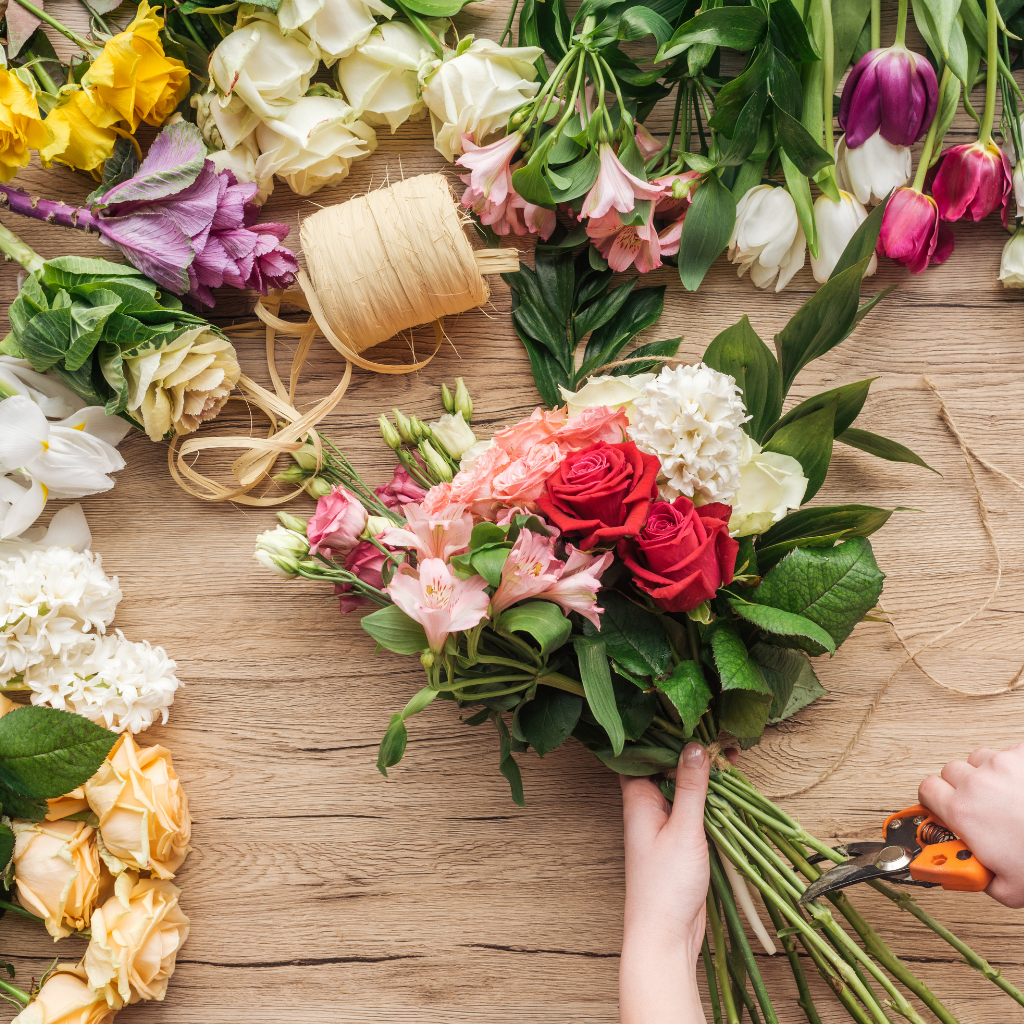
Styling Elements: Enhance peony photos with complementary props—vintage scissors, silk ribbons, calligraphy pens, or delicate jewelry create romantic still-life scenes. For flat-lay photography popular on Instagram, arrange peonies with lifestyle elements (coffee cups, books, fabrics) telling visual stories. Keep styling minimal enough that peonies remain focal points rather than competing with numerous props.
Post-Processing: Edit photos to enhance natural beauty without oversaturating colors into artificial appearance. Increase exposure slightly to capture peonies' soft, luminous quality. Adjust shadows and highlights to reveal petal layers' dimensionality. Maintain color accuracy—over-saturated pink peonies appear synthetic rather than showcasing their natural delicate beauty. Apply subtle sharpening to emphasize petal texture and detail.
Conclusion: Embracing Peony Season in Singapore
Peonies represent floral luxury at its finest, combining spectacular beauty, romantic symbolism, and precious scarcity that makes their annual appearance in Singapore's flower market a celebration worth anticipating. While their limited season and tropical climate challenges require planning and careful handling, the reward of enjoying these magnificent blooms justifies the extra effort and investment. Whether featuring peonies in your wedding bouquet, marking special anniversaries, or simply treating yourself to seasonal luxury, understanding how to source, care for, and appreciate these flowers maximizes your peony experience in Singapore's unique context.
At FloraMoments, we eagerly await peony season each year, establishing direct relationships with premium growers worldwide to secure the finest blooms for our Singapore clients. Our expertise in handling, arranging, and caring for peonies in tropical conditions ensures these delicate flowers arrive in pristine condition and maintain their beauty throughout their vase life. Visit our peony collection during season (April-June) to discover stunning arrangements featuring these romantic blooms, or contact our team for wedding and event consultations to incorporate peonies into your most important celebrations. Experience the unparalleled beauty of peonies and understand why flower enthusiasts worldwide eagerly anticipate their brief but spectacular season each year.
Frequently Asked Questions (FAQ)
Q: Why are peonies so expensive in Singapore?
A: Peony pricing reflects multiple cost factors unique to these luxury blooms. First, peonies cannot be grown locally in Singapore's tropical climate, requiring air-freight imports from distant temperate regions (Alaska, Netherlands, New Zealand) with expensive cold-chain logistics maintaining proper temperature throughout journey. Second, their brief 3-4 month growing season creates supply scarcity while demand remains high year-round. Third, peonies are labor-intensive to cultivate, requiring 3-4 years from planting before producing commercially viable blooms. Fourth, these delicate flowers have short post-harvest life requiring rapid shipping and immediate sale, increasing spoilage costs that suppliers build into pricing. Finally, peonies' luxury market positioning and wedding demand allow premium pricing that the market supports. During peak season, expect $18-28 per stem; off-season or rare varieties can reach $35-45 per stem.
Q: How long do fresh peonies last in Singapore's climate?
A: With optimal care in air-conditioned environments, fresh peonies typically last 5-8 days in Singapore. This is shorter than the 7-12 days possible in temperate climates due to our tropical heat and humidity. However, proper care dramatically impacts longevity. Peonies kept in consistently air-conditioned spaces (20-22°C), with water changed every 2 days, stems re-cut every 3 days, and overnight refrigeration can occasionally last 10-12 days. Conversely, peonies exposed to Singapore's outdoor heat and humidity deteriorate within 2-3 days. The key is immediate temperature control upon receiving flowers and never allowing exposure to temperatures above 24°C. Tight buds last longer than fully opened blooms, so request arrangements with mixed maturity levels for extended display periods.
Q: When is the best time to buy peonies in Singapore?
A: Late April through May represents optimal peony buying season in Singapore. During this peak period, selection is broadest with numerous varieties available, quality is highest as blooms arrive from prime growing regions at peak harvest, and pricing is most reasonable for these luxury flowers (though still expensive by general flower standards). Early May specifically offers best value as supply increases while demand hasn't yet peaked for Mother's Day and June weddings. Avoid purchasing peonies immediately before major gifting holidays (Mother's Day, Valentine's Day) when prices surge 30-50%. For wedding planning, book peony arrangements in February-March for May-June weddings to secure best selection and pricing before other couples claim limited inventory.
Q: Can I grow peonies successfully in Singapore?
A: Unfortunately, successful peony cultivation in Singapore is virtually impossible without extreme interventions. Peonies require 400-600 hours of cold temperature (below 7°C) during winter dormancy to bloom—a condition Singapore's year-round tropical heat (24-31°C) never naturally provides. Even with sophisticated climate control systems maintaining appropriate temperatures, Singapore's humidity, light spectrum, and soil composition conflict with peonies' requirements. The few gardeners attempting peony cultivation in Singapore using climate-controlled greenhouses invest thousands in equipment and ongoing electricity for minimal results—perhaps 5-10 blooms annually after 3+ years of intensive care. This makes home cultivation impractical versus purchasing imported stems. Consider growing tropical alternatives like double hibiscus or lotus that provide layered, beautiful blooms suited to Singapore's climate instead of fighting biological reality.
Q: What are good peony alternatives available year-round in Singapore?
A: Several flowers provide similar romantic, lush aesthetics when peonies are unavailable: Premium garden roses (David Austin, Juliet varieties) most closely mimic peonies' full, layered appearance and are available year-round from Ecuador at $12-25 per stem. Ranunculus offer smaller-scale but similarly ruffled petals during November-April. Large dahlias (cafe-au-lait varieties) provide peony-like softness and size during August-November. High-quality carnations, particularly spray carnations in abundance, create surprisingly peony-like romantic arrangements at fraction of the cost. For specific occasions, chrysanthemums (football mums) in soft colors offer substantial blooms, though cultural associations vary. When planning events outside peony season, consult experienced florists who can recommend alternatives matching your aesthetic vision without compromising design quality.
Q: Are peonies appropriate for Chinese cultural celebrations in Singapore?
A: Yes, peonies hold prestigious status in Chinese culture as the "king of flowers" symbolizing wealth, prosperity, honor, and good fortune. Pink and red peonies are particularly auspicious for celebrations, representing romantic love and prosperity. However, practical challenges limit their use in Singapore Chinese celebrations. Chinese New Year (January-February) occurs during peony off-season when they're virtually unavailable. Other major celebrations (Mid-Autumn Festival, weddings, business openings) throughout the year can feature peonies if occurring during April-June season. When seasonally available, peonies make exceptional gifts for Chinese business associates, milestone celebrations, or wedding decorations. Their luxury status and cultural significance create impressive gifts demonstrating respect and acknowledgment of recipients' importance. For Chinese celebrations outside peony season, consider orchids which are available year-round and carry similarly positive symbolism.
Q: How should I care for a peony bouquet to maximize its life in Singapore?
A: Maximize peony longevity with these steps: (1) Immediately upon receiving, unpack and place in air-conditioned room (never leave in warm areas). (2) Cut stems at 45-degree angles under running water, removing 2-3cm from bottom. (3) Strip any foliage that would sit underwater. (4) Fill clean vase with cool (not cold) filtered water and add provided flower food. (5) Keep peonies in consistently cool spaces (20-22°C), away from direct air-conditioning vents, sunlight, or heat sources. (6) Change water completely every 2 days, re-cutting stems slightly each time. (7) If buds seem tight, gently squeeze daily to encourage opening. (8) For maximum longevity, refrigerate arrangements overnight (2-4°C wrapped in damp paper), returning to display in morning. (9) Remove individual blooms as they fade to extend remaining flowers' life. With proper care, expect 5-8 days of beauty, potentially reaching 10 days with optimal conditions.
Q: What colors do peonies come in?
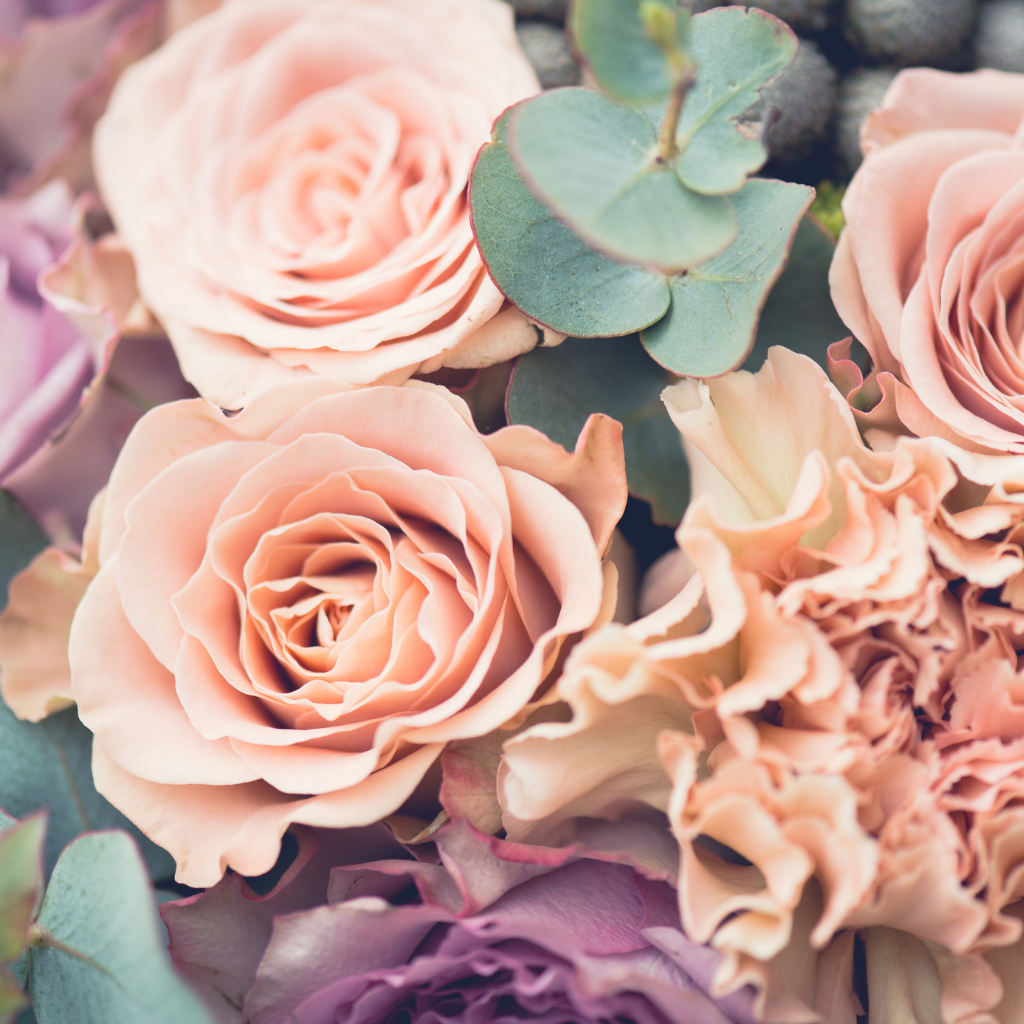
A: Peonies span impressive color range from pure white through pink spectrum to deep burgundy-red, plus unique coral, peach, and cream tones. Common colors include: White (Duchesse de Nemours, Festiva Maxima) symbolizing purity and innocence; Light pink (Sarah Bernhardt) representing romance and grace; Bright pink (Bowl of Beauty) for vibrant, joyful occasions; Coral-peach (Coral Charm) offering unique color that changes as blooms age; Deep pink-magenta (Felix Crousse) for dramatic impact; Red (Karl Rosenfield, Red Charm) symbolizing passion and honor; and Cream-yellow (Bartzella) for unique warmth, though yellow peonies are rare and expensive. True blue and purple peonies don't exist naturally despite occasional marketing claims. Peony colors may deepen or fade as blooms age, with some varieties showing beautiful color evolution throughout their vase life. When ordering, request specific varieties if particular shades matter, as "pink peonies" can range from pale blush to vivid magenta.
Q: Can peonies be used for outdoor events in Singapore?
A: Outdoor Singapore events pose significant challenges for peonies due to tropical heat and humidity. If you're determined to use peonies outdoors, implement these strategies: (1) Schedule events during cooler hours (early morning before 10:00 AM or evening after 6:00 PM). (2) Use peonies in shaded areas only, never in direct sunlight. (3) Keep arrangements in air-conditioned spaces until the last possible moment before event. (4) Mist blooms regularly with cool water to maintain hydration. (5) Have backup arrangements ready as peonies may deteriorate faster than expected. (6) Consider using peonies for specific elements (bridal bouquet, head table) kept primarily indoors while using hardier flowers for outdoor installations. (7) Work with experienced florists who understand how to prepare peonies for outdoor exposure (longer stems, specific flower food, advanced hydration). Honestly, for outdoor Singapore events, consider hardier alternatives like orchids or tropical flowers that naturally tolerate our climate, reserving peonies for air-conditioned portions of celebrations.
Q: Where can I buy fresh peonies in Singapore?
A: Purchase fresh peonies from several Singapore sources during peak season (April-June): High-end florists in Orchard Road luxury shopping districts (ION Orchard, Paragon) maintain premium peony inventory during season. Luxury online flower platforms offer convenient ordering with delivery, though verify their cold-chain logistics capabilities through reviews. Wedding florists specializing in luxury events pre-order substantial quantities and may sell to individuals. Some wholesale flower markets receive occasional peony shipments, but quality varies and best stems sell early morning. For guaranteed quality and selection, order from established premium florists 1-2 weeks in advance during peak season, or 3-4 weeks ahead for specific varieties or large quantities. Avoid purchasing peonies from non-specialist sources as improper handling dramatically affects quality and vase life. Pre-season advance orders (placed in March for May delivery) often secure best pricing and guaranteed availability before peak demand.


