





Tulips Singapore: Complete Guide to Spring's Most Elegant Seasonal Blooms

Tulips embody spring's renewal and fresh beginnings with their sleek architectural form, vibrant color spectrum, and elegant simplicity that makes them beloved worldwide. These iconic flowers, originating from Central Asia and perfected in the Netherlands, represent sophistication and refined beauty that transcends their humble bulb origins to command premium prices and devoted followings among flower enthusiasts. In Singapore's tropical climate where traditional spring never arrives, tulips offer fleeting annual opportunities to experience temperate beauty—their limited seasonal availability making them even more precious to those who appreciate their distinctive elegance. This comprehensive guide explores everything Singapore residents need to know about sourcing, selecting, caring for, and enjoying tulips during their brief annual window in our year-round summer.
At FloraMoments, our tulip collection showcases these spectacular spring blooms during their peak availability season, featuring premium Dutch and imported varieties carefully selected for maximum freshness, vibrant colors, and extended vase life despite Singapore's challenging tropical climate. We understand tulips' special appeal and work diligently to deliver exceptional quality during their limited seasonal presence.
Understanding Tulip Seasonality in Singapore
Unlike year-round available roses or orchids, tulips present distinct seasonal limitations due to their biological requirements and global growing patterns. Understanding this seasonality helps you plan purchases and manage expectations around tulip availability in Singapore's tropical context.
Why Tulips Are Seasonal: Tulips are spring-blooming bulbs that evolved in temperate climates with cold winters triggering dormancy and mild springs enabling flowering. They require extended cold periods (12-16 weeks below 10°C) to complete their natural growth cycles—conditions Singapore's perpetual heat never provides. This biological reality means all Singapore tulips are imports from temperate growing regions timed to their spring seasons, creating limited availability windows that shift based on Northern and Southern Hemisphere spring timing.
Primary Availability Window (January-April): Peak tulip season in Singapore coincides with Northern Hemisphere spring when Netherlands, the world's tulip capital, harvests millions of stems. Dutch tulips dominate Singapore markets from late January through April, with March representing absolute peak quality, selection, and relative pricing. During this period, florists offer extensive tulip variety choices—from classic single colors to parrot tulips, fringed varieties, and specialty cultivars. Valentine's Day (February 14) and International Women's Day (March 8) drive significant demand, so ordering advance of these dates secures best selection.
Secondary Window (September-November): Southern Hemisphere spring brings limited tulip availability from New Zealand, Australia, and South Africa. While lower quantities and higher shipping costs make these tulips more expensive than Dutch varieties, they offer off-season access for tulip enthusiasts and events requiring spring flowers during Singapore's monsoon period. Selection during this window is more limited—expect classic varieties rather than specialty types available during peak season.
Off-Season Reality (May-August, December): During these months, fresh tulips become virtually unavailable in Singapore at any price. A few luxury florists might source extremely expensive hothouse tulips from specialized growers, but quality rarely matches naturally grown seasonal blooms and pricing can reach 3-5 times normal rates. For important events during off-season, consider tulip alternatives (discussed later) that provide similar aesthetic without compromising quality or budget.
| Month | Tulip Availability | Source Region | Quality Level | Price Point |
|---|---|---|---|---|
| January | Early season availability begins | Netherlands (forced bulbs) | Good | High (scarcity premium) |
| February-March | Peak abundance and variety | Netherlands (outdoor crops) | Excellent | Moderate (optimal value) |
| April | Late season, declining selection | Netherlands | Good to variable | Moderate to high |
| May-August | Extremely limited to none | Rare hothouse sources | Variable | Very high (if available) |
| September-October | Limited Southern Hemisphere supply | New Zealand, Australia | Good | High (import costs) |
| November-December | Minimal to none | Limited sources | Variable | Very high |
Popular Tulip Varieties and Colors
The Royal General Bulb Growers' Association recognizes 15 official tulip divisions based on flowering time, flower shape, and plant characteristics. Singapore imports primarily focus on commercially successful varieties offering reliable shipping quality and broad aesthetic appeal across diverse consumer preferences.
Single Early and Single Late Tulips: Classic tulip form featuring smooth, cup-shaped blooms on strong stems. These represent the quintessential tulip appearance most people envision—clean lines, solid colors, elegant simplicity. Available in extensive color range from pure white through every imaginable shade to near-black. Single tulips provide longest vase life (7-10 days) among tulip varieties and photograph beautifully. They suit modern minimalist arrangements and sophisticated color-focused designs where form's purity speaks without embellishment.
Darwin Hybrid Tulips: Extremely popular for commercial floristry due to exceptional stem strength (preventing drooping), large blooms (8-10cm diameter), and robust nature surviving shipping stress better than delicate varieties. Classic examples include 'Apeldoorn' (bright red with black base) and 'Golden Apeldoorn' (golden yellow). These workhorses of the tulip world offer reliability and impact, making them florist favorites for arrangements requiring guaranteed performance.
Triumph Tulips: Mid-season bloomers with perfect cone-shaped flowers combining single tulips' elegance with hybrid vigor. Strong stems and good vase life make them excellent cut flowers. Available in vast color range including stunning bicolors and gradations. Triumph tulips represent excellent value—combining beauty, longevity, and reasonable pricing compared to specialty varieties.
Parrot Tulips: Dramatic, flamboyant varieties featuring deeply fringed, ruffled, or feathered petals creating almost tropical appearance despite temperate origins. Colors often streak or flame in multiple hues creating painterly effects. These showstoppers command premium prices ($5-10 per stem versus $3-6 for standard tulips) but deliver extraordinary visual impact. Parrot tulips suit bold romantic arrangements, artistic installations, or situations demanding conversation-piece flowers. Our premium bouquet collection occasionally features spectacular parrot tulips during peak season.
Double Tulips (Peony-Flowered): Featuring multiple petal layers creating lush, full appearance resembling peonies. These luxurious tulips offer maximum impact per stem through their voluminous blooms. However, heavy flower heads sometimes droop on stems, requiring support in arrangements. Double tulips work beautifully in romantic, abundant designs where their fullness complements rather than competes with other flowers. Slightly shorter vase life (5-8 days) than single varieties due to complex petal structure.
Fringed Tulips: Delicate crystalline fringing edges petals, creating sparkling, almost frosted appearance. The intricate edge detail adds textural interest distinguishing them from smooth single tulips. Particularly stunning in sunlight where the fringe catches light beautifully. These sophisticated varieties suit elegant arrangements and recipients who appreciate subtle refinement over bold statements.
Lily-Flowered Tulips: Elegant pointed petals curve gracefully outward creating lily-like appearance. These refined tulips offer architectural interest and movement unlike stiff traditional forms. Their sophisticated silhouette suits contemporary arrangements and modern design sensibilities. Excellent vase life and strong stems make them practical choices beyond pure aesthetics.
Color Psychology and Tulip Selection
Tulips' extensive color range enables precise emotional communication through strategic color selection. Understanding color symbolism helps you choose tulips conveying intended messages in Singapore's gift-giving contexts.
Red Tulips - Passionate Love: Deep red tulips declare romantic love and passion as powerfully as red roses but with more refined elegance. The color represents deep affection, desire, and commitment. Perfect for romantic occasions—anniversaries, Valentine's Day, marriage proposals, or simply expressing passionate love. However, red tulips can feel intense for new relationships or casual contexts—reserve for established romantic partnerships where such declarations are appropriate and reciprocated.
Pink Tulips - Caring Affection: Various pink shades offer nuanced emotional ranges. Light pink represents affection, caring, and good wishes—appropriate for friends, family, or gentle romantic expressions. Hot pink conveys confidence and playful energy. Pink tulips suit diverse occasions from expressing appreciation to romantic gestures without red's intensity. They're particularly appropriate for Mother's Day, thanking colleagues, or celebrating friendships. Explore our love and romance collection featuring pink tulips for softer romantic expressions.
White Tulips - Purity and Forgiveness: Pristine white tulips symbolize purity, innocence, and new beginnings. They're traditional wedding flowers representing fresh starts and pure love. White tulips also convey forgiveness and apology—their clean elegance suggests wiping the slate clean. However, in Chinese cultural contexts, pure white flowers associate with funerals and mourning, so consider recipient's background before sending monochromatic white arrangements. Mixed white with other colors provides cultural safety while maintaining white's elegance.
Yellow Tulips - Cheerful Friendship: Bright yellow tulips radiate sunshine, cheerfulness, and hopeful energy. Unlike yellow roses which historically meant jealousy, yellow tulips represent pure positive emotions—happiness, optimism, friendship. They're perfect for congratulations, cheering someone up, expressing platonic affection, or simply brightening someone's day. Yellow tulips suit diverse recipients and occasions without romantic implications that might complicate opposite-gender friendships or professional relationships.
Purple Tulips - Royalty and Elegance: Deep purple tulips convey nobility, elegance, and royalty. Historically associated with wealth and status, purple tulips suit sophisticated recipients and upscale occasions. They work beautifully for congratulating achievements, honoring respected individuals, or creating luxury arrangements requiring refined color palettes. Lighter lavender shades offer romantic femininity and grace.
Orange Tulips - Energy and Enthusiasm: Vibrant orange tulips burst with energy, warmth, and enthusiasm. They represent happiness, fascination, and vitality—perfect for celebrating accomplishments, expressing excitement, or energizing someone facing challenges. Orange tulips suit bold personalities and contemporary aesthetics, offering alternatives to traditional romantic colors while maintaining emotional warmth.
Multicolored and Specialty Tulips: Bicolor, striped, or flamed varieties offer visual complexity reflecting nuanced emotions or simply celebrating beauty for beauty's sake. These artistic tulips suit creative recipients, contemporary interiors, or situations where you want flowers to make sophisticated design statements rather than convey specific traditional meanings.
Caring for Tulips in Singapore's Climate
Tulips present unique care challenges in Singapore's tropical heat and humidity. These temperate-climate flowers require specific handling maximizing their unfortunately brief vase life in conditions opposite their natural environment.
Immediate Processing Critical: Upon receiving tulips, immediately process them—every minute in Singapore's heat shortens vase life. Remove all packaging and any foliage below the waterline. Using extremely sharp, clean shears, cut stems at 45-degree angles removing 2-3cm from bottoms. Tulip stems are soft and easily crushed—dull scissors cause damage that blocks water uptake. Make cuts swiftly and cleanly in single motions rather than sawing motions that bruise tissue.
Ice Water Initial Treatment: Unlike most flowers preferring room temperature water, tulips benefit from initial ice water treatment. Fill vases with very cold water (add ice cubes) for the first 2-3 hours, allowing tulips to drink deeply and firm up after shipping stress. After this initial hydration, maintain cool but not ice-cold water (around 15-18°C if possible). In Singapore's heat, change water daily—bacterial growth accelerates in warm conditions, blocking stems and shortening vase life dramatically.
Temperature Management Essential: This cannot be overstated for Singapore tulip care—temperature is everything. Keep tulips in consistently air-conditioned environments (20-22°C maximum). Even brief exposure to Singapore's outdoor heat or non-air-conditioned spaces accelerates deterioration catastrophically. Position arrangements away from direct sunlight, even through windows—the greenhouse effect rapidly overheats flowers. Never place tulips near heat sources—kitchens, direct air-conditioning warm-air vents, or electronic equipment generating heat.
The Growing Phenomenon: Tulips uniquely continue growing after cutting, sometimes adding 2-5cm to stem length in vases. This phototropic growth causes stems to curve toward light sources, creating graceful natural arrangements but potentially disrupting carefully designed displays. Embrace this living quality as part of tulips' charm, or control it by: trimming stems back every 2 days, rotating vases 180 degrees daily distributing growth effects, or positioning in even light from all directions preventing directional bending. Some florists pierce tiny holes just below tulip heads releasing air bubbles and reducing bending, though this technique requires expertise avoiding damage.
The Wilting Reality: Be realistic—tulips in Singapore typically last 5-7 days with excellent care, versus 10-14 days in temperate climates. This reduced longevity reflects climate incompatibility, not flower quality. Maximize whatever days you get through: religiously daily water changes, consistent cool temperatures, stem re-cutting every 2 days, removing spent blooms promptly, and adding flower food (the preservatives genuinely help). Accept that tulips are temporary treasures rather than long-lasting arrangements—their brief beauty is part of their appeal.
Reviving Wilted Tulips: If tulips wilt prematurely, try this rescue technique: re-cut stems removing 3-5cm, wrap entire bunch (including flowers) tightly in newspaper creating firm cylinder, place wrapped tulips in vase of ice-cold water up to flower heads, leave in cool dark place for 3-4 hours. The wrapping forces stems straight, while cold water provides emergency hydration. This sometimes revives tulips for additional 2-3 days, though it doesn't always work with severely stressed flowers.
Arranging Tulips: Design Principles and Styling
Tulips' architectural elegance and natural movement require different arrangement approaches than static flowers like roses. Understanding their characteristics enables designs that showcase rather than fight tulips' unique qualities.
Embracing Natural Movement: Unlike roses standing rigidly, tulips bend, curve, and dance in arrangements. Rather than forcing them into static designs with extensive mechanics, embrace their organic movement. Hand-tied bundles loosely gathered allow tulips to arrange themselves naturally. Low, wide vessels enable stems to splay gracefully rather than fighting to stay upright. This relaxed approach suits tulips' essential character better than formal rigid designs.
Monochromatic Impact: Single-color tulip arrangements create stunning impact through color saturation and form repetition. The uniform color focuses attention on tulips' elegant shape and the subtle variations between individual blooms. For modern minimalist spaces, monochromatic tulips in clean-lined glass cylinders create sophisticated statements. Use odd numbers (9, 15, 21, 25) for visual balance in single-variety arrangements.
Mixed Color Arrangements: When mixing tulip colors, use intentional color theory rather than random assortments. Analogous colors (neighboring on color wheel—red, orange, yellow or purple, pink, red) create harmonious transitions. Complementary colors (opposite on wheel—purple and yellow, orange and blue) create vibrant contrast. Limit to 2-3 colors maximum preventing chaotic appearance. White tulips work as neutral bridging elements between bold colors.
Minimal Foliage Approach: Tulips' clean stems and elegant blooms need minimal foliage enhancement. Their architectural beauty speaks for itself. If adding greenery, choose delicate options—eucalyptus, leather fern, or bear grass—that complement without overwhelming. Avoid heavy tropical foliage or abundant filler flowers that obscure tulips' refined lines. Sometimes stems alone in clear water create more impact than elaborate arrangements.
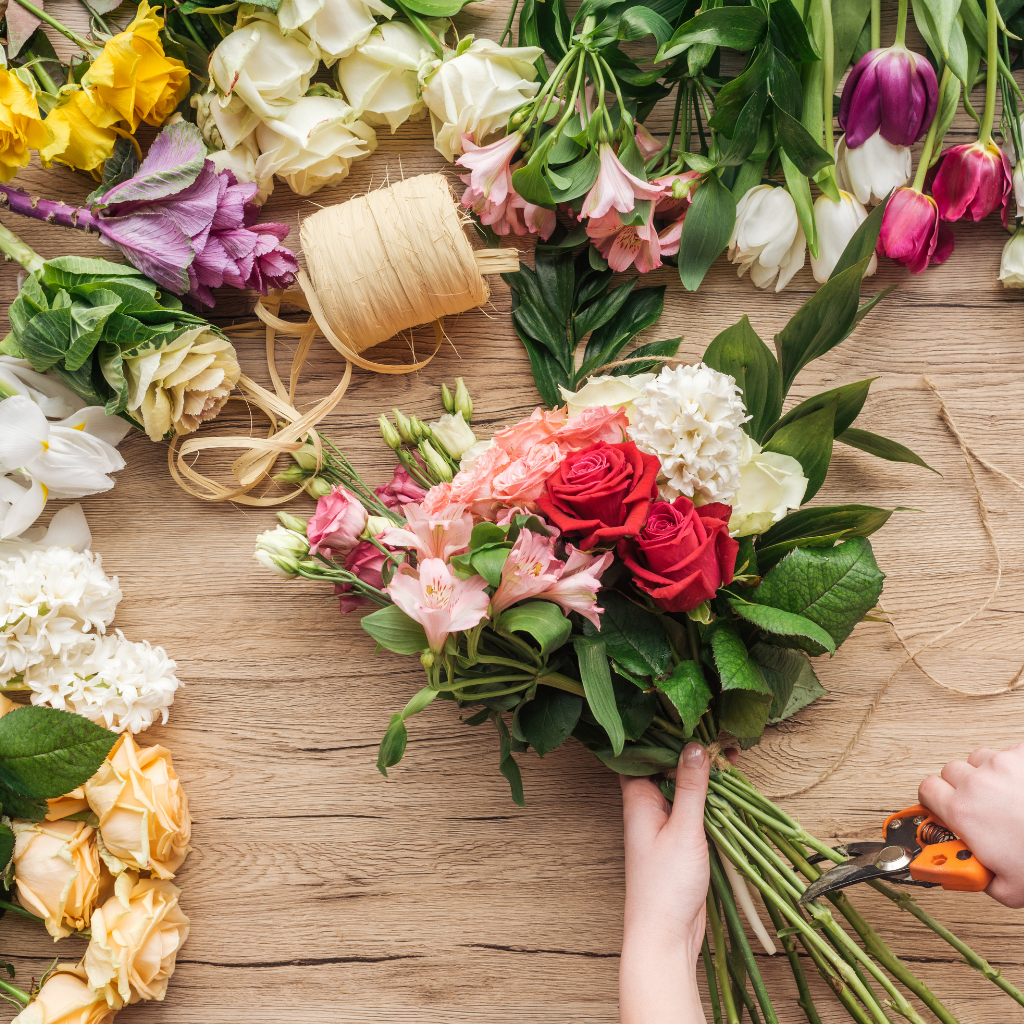
Container Selection: Glass vessels showcase tulips' beautiful stems—often featuring interesting coloring or texture worth displaying. Cylinder vases in varying heights create modern presentations. Low bowls allow naturalistic spreading. For romantic styles, vintage pitchers or ceramic vessels provide charming contrast to tulips' sleek modernity. Ensure containers are spotlessly clean—bacteria-free water is critical for temperamental tulips. Our curated arrangements collection demonstrates effective tulip styling approaches.
Height and Proportion: The traditional design rule suggests arrangement height should be 1.5-2 times container height, but tulips' growing habit complicates this. Start with this proportion, understanding stems will elongate over days. For precise height control in formal designs, trim regularly. For casual arrangements, allow natural growth creating organic evolution throughout the arrangement's life.
Tulips for Singapore Occasions and Celebrations
Understanding when tulips appropriately suit various occasions helps you leverage their seasonal availability strategically for maximum impact and cultural appropriateness in Singapore's diverse celebration landscape.
Valentine's Day (February 14): Peak tulip season perfectly aligns with Valentine's Day, offering elegant alternatives to predictable red roses. Red tulips convey romance with more refinement, while pink or purple tulips offer sophisticated variety. However, expect premium pricing (30-50% increases) and limited availability due to overwhelming demand. Order 1-2 weeks ahead securing selection before stock depletes. Mixed color arrangements featuring tulips with complementary flowers can stretch budgets while maintaining impact.
International Women's Day (March 8): In many cultures, including significant expat communities in Singapore, this day celebrates women through flower gifting—particularly tulips in Eastern European traditions. Yellow or pink tulips perfectly suit this celebration's respectful appreciation tone without romantic implications. Workplaces often see tulip deliveries honoring female colleagues, creating opportunities for thoughtful professional gifting.
Spring Weddings (February-April): Couples marrying during tulip season can incorporate these elegant blooms into wedding flowers at reasonable prices. Tulips suit modern minimalist weddings, garden-inspired celebrations, or Dutch-themed events. Their relatively short vase life necessitates day-of delivery and climate-controlled venues. Bridal bouquets featuring tulips should be kept refrigerated until ceremony moments. For outdoor Singapore weddings, limit tulips to indoor-only elements avoiding heat exposure. Check our bridal collection for tulip wedding inspiration during season.
Birthday Celebrations (During Season): Tulips make sophisticated birthday flowers for recipients born during tulip season (February-April) or anyone appreciating their refined beauty. Their cheerful colors without overwhelming fragrance suit diverse recipients. The temporary nature emphasizes celebrating specific moments rather than permanent gestures—appropriate for birthday contexts marking particular ages or milestones.
Corporate Events and Openings: Tulips' association with Dutch commerce and trade makes them symbolically appropriate for business contexts, particularly company launches, grand openings, or celebrating international partnerships. Large tulip installations in corporate colors create striking venue transformations. Their refined appearance suits upscale business environments without roses' romantic connotations. Consider tulips for conferences, product launches, or executive gifting during season.
Apology and Reconciliation: White tulips specifically symbolize forgiveness, making them meaningful apology flowers. Their elegance and purity suggest sincerity and fresh starts. However, as mentioned earlier, consider cultural contexts—Chinese recipients may view pure white flowers inappropriately given funeral associations. Mixed arrangements with white tulips and other colors provide cultural safety while maintaining symbolism. Explore our apology flower collection for appropriate arrangements when seeking forgiveness.
Growing Tulips in Singapore: The Difficult Truth
Many Singapore gardening enthusiasts dream of growing their own tulips, envisioning garden beds bursting with spring color. Unfortunately, biological reality makes successful tulip cultivation in Singapore's tropical climate virtually impossible without extraordinary intervention.
The Cold Requirement Problem: Tulips absolutely require 12-16 weeks of winter cold (vernalization) below 10°C to trigger flowering. This isn't optional—it's biological necessity programmed into their DNA through millennia of temperate evolution. Singapore's year-round heat (24-31°C) never approaches required temperatures. Some enthusiasts attempt refrigerator pre-chilling of bulbs, but this only partially addresses requirements and introduces other complications.
The Attempted Process: Determined gardeners attempting Singapore tulip cultivation would need to: Purchase pre-chilled bulbs from specialized suppliers (expensive, limited availability), Immediately refrigerate bulbs for additional 8-12 weeks at 2-4°C (dedicating refrigerator space, managing humidity to prevent mold), Plant into containers with excellent drainage using imported soil mixes (tropical soils unsuitable), Maintain planted containers in artificial cold environment (requiring dedicated refrigerated units), Gradually transition to warmer temperatures simulating spring, Provide precise lighting, watering, and care throughout process. Even with this intensive intervention, success rates remain very low, blooming occurs inconsistently, and flowers are typically smaller and shorter-lived than naturally grown tulips.
The Reality Check: Setting up climate control systems enabling tulip cultivation costs thousands of dollars in equipment and hundreds monthly in electricity. After 4-6 months of intensive care, you might achieve 20-30 blooms from 50 planted bulbs—if successful. These same months of effort and expense could purchase dozens of premium imported tulip arrangements providing far superior quality and enjoyment. Tulip cultivation makes sense as botanical challenge for serious hobbyists, not practical flower production for Singapore homes.
Alternative Approach: Instead of fighting biological impossibility, embrace Singapore's climate by growing tropical flowers providing similar aesthetic impact: Amaryllis (Hippeastrum) produces large, tulip-like blooms and thrives in tropical conditions. Zephyr lilies offer delicate tulip-shaped flowers suited to Singapore gardens. Various tropical bulbs and corms provide beautiful blooms without requiring impossible climate manipulation. Channel your gardening energy toward plants that want to grow in Singapore rather than forcing reluctant temperate species into unsuitable conditions.
Tulip Alternatives During Off-Season
When tulips aren't available (May-December for most varieties), several flowers provide similar aesthetic qualities, elegant simplicity, or spring-like freshness suitable for occasions where tulips would be perfect if only seasonally possible.
Ranunculus (November-April): Often called "the poor man's peony," ranunculus also serves as excellent tulip alternative. These charming flowers feature similar color range as tulips, cup-shaped blooms with layered petals, relatively clean stems and elegant simplicity, and importantly, overlapping availability seasons (ranunculus peaks slightly earlier than tulips, providing bridge between seasons). While smaller than tulips (4-6cm versus tulips' 6-10cm blooms), ranunculus offer similar refined aesthetic at lower price points ($3-6 versus $4-8 per stem).
Calla Lilies (Year-Round): These sophisticated blooms provide sculptural elegance reminiscent of tulips' architectural beauty. Available continuously in Singapore, callas offer: similar sleek, modern aesthetic, clean lines and minimalist form, extensive color range matching tulip palette, and excellent vase life (10-14 days). Callas work in contexts requiring tulips' refined elegance but outside seasonal availability windows. However, they're more expensive ($8-15 per stem) than seasonal tulips.
Lisianthus (Year-Round): Also called Eustoma, these ruffled beauties provide romantic softness similar to double tulips but available year-round. Benefits include: soft, layered petals creating fullness, similar color range especially in whites, pinks, purples, long vase life (10-14 days), and reasonable pricing ($5-9 per stem). Lisianthus suits romantic occasions requiring tulip-like softness when tulips aren't available.
Gerbera Daisies (Year-Round): For tulips' cheerful color impact without their specific form, gerberas provide excellent alternatives. Available year-round, affordable ($3-6 per stem), broad color range matching tulip spectrum, and similar simplicity and straightforward beauty. While not mimicking tulip elegance exactly, gerberas deliver comparable cheerful impact for celebrations and gifts.
Roses (Year-Round): When tulips aren't available, premium garden roses offer sophisticated alternatives. While aesthetically different, they serve similar luxury positioning and romantic/celebratory contexts. Available consistently with predictable quality and pricing. For occasions requiring elegant romantic flowers, roses substitute reliably for unavailable tulips. Browse our rose collection for year-round elegant options.
Tulip Pricing and Value Considerations
Understanding tulip pricing structures helps you budget appropriately and recognize fair value versus excessive markups during Singapore's limited tulip season.
Baseline Pricing: During peak season (February-March), expect standard single tulips to cost $4-6 per stem at retail florists. Early season (January) and late season (April) prices increase to $6-8 per stem due to limited supply. Specialty varieties (parrot tulips, fringed, double) command premiums of $7-10 per stem. Off-season tulips (September-November from Southern Hemisphere) cost $8-12 per stem reflecting extensive import costs and limited supply.
Holiday Premium Pricing: Valentine's Day creates massive demand spikes driving tulip prices up 30-50% or more. Standard tulips reaching $8-10 per stem, with premium varieties exceeding $12-15. This surge reflects actual supply constraints—demand vastly outstrips limited seasonal supply. Smart shoppers order early (late January for Valentine's delivery) securing better pricing and selection, or celebrate after Valentine's Day when prices normalize and availability improves.
Arrangement Pricing: Complete tulip arrangements typically cost: Simple hand bouquets (10-15 tulips): $60-90 during peak season, $80-120 near Valentine's Day. Mixed arrangements (8-12 tulips with complementary flowers): $80-130 depending on other flowers included. Premium all-tulip arrangements (20-30 stems): $150-250 for substantial impact. Luxury specialty varieties (parrot, fringed, exclusive colors): $200-400 for dramatic high-end arrangements. Wedding and event work commands additional design and service fees beyond per-stem costs.
Value Optimization Strategies: Maximize tulip budget through: Buying during peak season (late February-March) avoiding early and late premiums. Ordering mid-week for weekend delivery—some florists offer weekday discounts. Choosing single-variety arrangements over mixed—labor costs decrease without complexity. Selecting standard colors (red, pink, yellow, white) over rare shades commanding premiums. Buying direct from florists rather than third-party services adding markup layers. Considering tulips as focal flowers mixed with affordable fillers rather than all-tulip extravagance. Pre-ordering for important occasions securing availability at guaranteed prices before last-minute demand surges.
Tulip History and Cultural Significance
Understanding tulips' fascinating history enriches appreciation for these flowers beyond their aesthetic beauty, adding layers of meaning to arrangements and gifting contexts.
Ottoman Empire Origins: Contrary to popular belief associating tulips exclusively with Netherlands, these flowers originated in Central Asian mountain regions and achieved early prominence in Ottoman Turkish culture. The Turkish name "lale" contributed to the Western word "tulip" (through French "tulipe"). Tulips featured extensively in Ottoman art, architecture, and celebrations during the "Tulip Era" (early 18th century), symbolizing paradise and divine beauty in Islamic culture.
Dutch Golden Age and Tulipmania: Tulips arrived in Netherlands in 16th century, quickly becoming obsession. The infamous "Tulipmania" (1634-1637) saw tulip bulb prices reach absurd levels—single rare bulbs traded for annual wages or entire houses. This speculative bubble eventually crashed spectacularly, becoming history's first recorded economic bubble and cautionary tale about irrational market behavior. However, the crash didn't diminish Dutch passion for tulips. Netherlands developed world-leading horticultural expertise, eventually cultivating over 1,500 varieties and dominating global tulip trade for centuries.
Modern Dutch Tulip Industry: Today, Netherlands produces approximately 4.3 billion tulip bulbs annually, with 2 billion exported worldwide. The Dutch tulip industry represents €175+ million annually, employing thousands and creating the spectacular spring landscapes that attract millions of tourists. Singapore's tulips almost exclusively originate from this well-established Dutch expertise, benefiting from centuries of cultivation knowledge and sophisticated logistics enabling global distribution.
Cultural Symbolism: Beyond their Ottoman and Dutch significance, tulips carry meanings across cultures: In Persian culture (Iran), they symbolize perfect love. Victorian flower language attributed meanings based on color (discussed earlier). Turkish culture sees them as paradise symbols and uses them extensively in art. The Netherlands celebrates National Tulip Day (third Saturday of January), when Amsterdam's Dam Square transforms into a free public tulip garden. Singapore's multicultural society can embrace tulips as universally beautiful flowers transcending any single cultural ownership—their aesthetic appeal crosses cultural boundaries effectively.
Sustainable and Ethical Tulip Sourcing
Environmentally conscious Singapore consumers increasingly consider flower production's ecological footprint. Understanding tulip sustainability issues enables informed purchasing decisions balancing beauty with environmental values.
Dutch Production Environmental Impact: Netherlands tulip cultivation involves significant environmental costs: Massive greenhouse operations consuming enormous energy for climate control. Intensive pesticide and fungicide use preventing diseases in high-density cultivation. Substantial water consumption for bulb irrigation and processing. Carbon emissions from heating, lighting, and refrigeration throughout supply chain. However, Dutch growers increasingly adopt sustainable practices—renewable energy, integrated pest management, water recycling—partially mitigating these impacts.
Air Freight Carbon Footprint: All Singapore tulips travel by air freight from growing regions (Netherlands, New Zealand) creating substantial carbon emissions. A typical flower shipment generates 3-5kg CO2 per kilogram transported—significant environmental cost for ephemeral beauty. However, tulips' compact nature means relatively high flower-to-weight ratio compared to arrangements featuring heavy foliage or water-filled arrangements.
Seasonal and Local Consciousness: The most sustainable approach involves embracing seasonal availability rather than demanding year-round access to every flower type. Buying tulips during natural growing seasons (when they're being harvested anyway) rather than forcing year-round production in artificial conditions aligns with environmental mindfulness. While Singapore can't grow tulips locally, respecting natural seasons represents ecological consciousness within global trade realities.
Longevity and Waste: Tulips' relatively short vase life (5-7 days in Singapore) raises sustainability questions—is the environmental cost justified for such temporary beauty? This becomes personal values question. Some argue flowers' emotional and aesthetic value justifies environmental impact, while others prefer longer-lasting options or living plants reducing waste. Post-display, compost tulip stems and petals rather than landfilling, returning organic matter to natural cycles. Our ready bouquet collection uses minimal packaging reducing waste.
Certification Considerations: Look for tulips from MPS (Milieu Programma Sierteelt) certified growers—Dutch environmental certification requiring reduced pesticide use, energy efficiency, and waste management. Fair Trade certification ensures ethical labor practices. While these certifications add costs, they support more responsible production. Ask florists about sourcing—reputable operations can identify tulip origins and certifications.
Conclusion: Celebrating Tulips' Fleeting Beauty
Tulips embody the poignant beauty of impermanence—their brief annual appearance in Singapore markets makes them more precious, their limited vase life emphasizing the importance of cherishing beauty while it lasts. These elegant spring messengers bring temperate beauty to tropical Singapore, offering annual opportunities to experience flowers intimately connected to history, culture, and seasonal renewal absent from our perpetual summer. Whether selecting tulips for romantic gestures, elegant celebrations, or simply treating yourself to their refined beauty, understanding their seasonality, proper care, and cultural significance ensures you maximize every moment with these transient treasures.
At FloraMoments, we eagerly anticipate tulip season each year, establishing direct relationships with premier Dutch growers to secure the finest varieties for Singapore's tulip enthusiasts. Our tulip collection represents our commitment to delivering exceptional quality during these precious months when tulips grace our tropical island with temperate elegance. We understand tulips' special appeal—their seasonal scarcity heightening appreciation, their architectural beauty offering sophisticated alternatives to everyday flowers, and their rich history adding depth to simple gifting gestures. Experience the timeless elegance of tulips during their annual Singapore visit, and discover why these spring beauties have captivated civilizations for centuries, remaining as beloved today as during Dutch Golden Age or Ottoman Empire glory days. Celebrate the season while it lasts—tulips remind us that some beauty deserves appreciation precisely because it won't last forever.
Frequently Asked Questions (FAQ)
Q: When is the best time to buy tulips in Singapore?
A: The optimal tulip purchasing window in Singapore is late February through March, coinciding with peak Dutch tulip harvest when quality is exceptional, selection is broadest, and pricing is most reasonable. During this period, florists stock extensive variety choices—single, double, parrot, fringed, and specialty types—in full color spectrum. Early January sees first seasonal arrivals but limited selection and premium pricing due to scarcity. Late April offers final seasonal opportunities but declining quality as growers exhaust inventories. Avoid purchasing immediately before Valentine's Day (February 14) when prices surge 30-50% due to overwhelming demand—order 2-3 weeks early securing better pricing and selection, or wait until late February when Valentine's rush subsides and prices normalize. For Southern Hemisphere tulips (September-November), expect limited varieties at premium prices. Off-season (May-August, December), fresh tulips are virtually unavailable regardless of budget.
Q: How long do tulips last in Singapore's climate?
A: Tulips in Singapore's tropical heat typically last 5-7 days with excellent care, significantly shorter than 10-14 days possible in temperate climates. This reduced longevity reflects fundamental climate incompatibility—tulips evolved for cool spring conditions, and Singapore's heat and humidity accelerate all biological processes leading to faster aging. Maximize vase life through: immediate processing upon arrival, daily water changes (Singapore's warmth accelerates bacterial growth), consistent air-conditioning (20-22°C maximum temperature), ice water initial treatment, positioning away from heat sources and sunlight, and stem re-cutting every 2 days. Even with perfect care, Singapore's climate taxes tulips heavily. Factors affecting individual longevity include: initial freshness at purchase (younger flowers last longer), tulip variety (single varieties outlast complex doubles), seasonal timing (peak season tulips exceed late season quality), and daily temperature exposure (consistent cool beats fluctuating temperatures). Accept tulips' temporary nature as part of their appeal—their fleeting beauty makes the experience more precious rather than disappointing.
Q: Why are tulips so expensive in Singapore compared to other flowers?
A: Tulip pricing reflects multiple factors beyond basic flower costs: Limited seasonal availability creates supply scarcity driving prices up—tulips available only few months annually versus year-round roses. International air freight from Netherlands (or Southern Hemisphere sources) adds substantial shipping costs that local or regional flowers avoid. Cold chain logistics throughout journey from Dutch farms to Singapore florists require expensive refrigerated transport maintaining specific temperatures. Import duties and customs fees add costs that domestic flowers don't incur. Short shelf life means retailers must sell quickly or accept losses—this risk builds into pricing. Small market size in Singapore means importers cannot achieve economies of scale available in large European or American markets. Valentine's Day demand concentration means entire year's tulip demand compresses into 2-3 week period, allowing premium pricing. However, tulips aren't categorically expensive—during peak season (late February-March), standard varieties cost $4-6 per stem, comparable to premium roses. The perception of expense comes from comparing to budget flowers (carnations at $2-3) rather than luxury positioning (peonies at $20-30 when available). For what they offer—sophisticated elegance, seasonal exclusivity, rich cultural history—tulips represent fair value within luxury flower market.
Q: Can I grow tulips successfully in Singapore?
A: Unfortunately, growing spectacular tulips in Singapore is virtually impossible without prohibitively expensive climate control infrastructure. Tulips absolutely require 12-16 weeks of winter cold (below 10°C) triggering necessary biological processes for flowering—Singapore's year-round 24-31°C heat never approaches these temperatures. While theoretically possible to: purchase pre-chilled bulbs from specialized suppliers, provide additional refrigeration for 8-12 weeks, plant in containers with imported temperate soil mixes, maintain planted containers in dedicated refrigerated units simulating temperate spring, this process requires thousands of dollars in equipment, hundreds monthly in electricity, and delivers minimal results—perhaps 20-30 blooms from 50 bulbs after 4-6 months intensive effort. These blooms will be smaller, shorter-lived, and inferior to imported Dutch tulips you could purchase for fraction of the cost and effort. Tulip cultivation might work as advanced botanical hobby for serious horticulturists with resources and expertise, but not practical flower production for Singapore homes. Instead, embrace tropical bulbs thriving in our climate—amaryllis, crinum, or zephyr lilies provide beautiful blooms without fighting biological impossibility. The most realistic approach: enjoy premium imported tulips during their brief annual season, accepting some beauty belongs to specific places and times rather than forcing universal availability.
Q: What occasions are tulips most appropriate for in Singapore?
A: Tulips suit numerous occasions with some cultural and practical considerations: Romantic gestures (particularly Valentine's Day, anniversaries during season)—red tulips convey passion elegantly, pink offers softer romance, while purple suggests sophistication. Weddings (February-April)—modern brides appreciate tulips' refined elegance for bouquets and centerpieces, though short vase life requires day-of delivery and climate-controlled venues. Apologies and reconciliation—white tulips specifically symbolize forgiveness, making them meaningful peace offerings (though consider Chinese cultural contexts where pure white may be inappropriate). Spring celebrations and birthdays (during season)—tulips' association with renewal and fresh starts suits birthday contexts, particularly for recipients born during tulip season. Corporate and business contexts—tulips' Dutch commercial heritage makes them symbolically appropriate for business events, grand openings, or executive gifting without roses' romantic implications. Mother's Day and Women's Day (both occur during tulip season)—pink or yellow tulips offer appreciation without overwhelming intensity. International Women's Day (March 8) particularly values tulips in some cultural traditions. Occasions to avoid: Chinese New Year or cultural celebrations requiring specifically auspicious symbolism—tulips lack traditional significance in Chinese culture. Funerals and sympathy (generally)—while white tulips could work, roses or lilies carry more established mourning significance. Summer events outside tulip season—forcing off-season tulips costs premium prices for inferior quality when alternatives suit better. The seasonal constraint means tulips work best for occasions naturally falling during availability windows rather than forcing them for wrong-season events.
Q: What's the difference between cheap and expensive tulips?
A: Tulip quality varies significantly, with price reflecting tangible differences: Bloom size—premium tulips feature 8-10cm diameter blooms versus budget 5-6cm flowers creating substantially different visual impact per stem. Stem length and thickness—quality tulips measure 40-50cm with strong, thick stems preventing drooping, while cheap tulips may be 25-35cm with weak stems unable to support even modest blooms. Bud maturity—premium tulips arrive with color showing but buds not yet fully open, maximizing vase life potential, whereas cheap tulips may be fully open at purchase leaving only 2-3 display days. Color vibrancy—quality tulips display saturated, pure colors without browning edges or faded sections indicating freshness and proper handling. Variety distinction—expensive tulips often represent specialty varieties (parrot, fringed, exclusive colors) requiring careful cultivation, while budget tulips are commonly available standard varieties. Post-harvest handling—premium tulips maintain strict cold chain from Dutch farms through air freight to Singapore florists, whereas cheap tulips may experience temperature fluctuations damaging quality. The source matters too—directly imported Dutch tulips from established growers typically exceed quality of indirect sources or unknown origins. For important occasions, invest in premium tulips ensuring reliability—they'll open fully, display vibrantly, and last maximum possible duration. For casual enjoyment or budget constraints, standard quality delivers beauty if expectations adjust accordingly. The price difference ($4 versus $8 per stem) often justifies quality upgrade for occasions where tulip failure would disappoint.
Q: Are there any tulip varieties that last longer in Singapore's climate?
A: While no tulips thrive in Singapore's heat, certain varieties demonstrate relatively better longevity: Single tulips (both early and late varieties) generally outlast complex forms, averaging 6-8 days versus 5-6 for doubles or parrots. Their simpler structure seems less vulnerable to heat stress. Darwin Hybrid tulips, bred specifically for vigor and commercial viability, show exceptional stem strength and relatively robust nature surviving tropical conditions somewhat better than delicate specialty varieties. Triumph tulips combine elegance with hybrid vigor, offering good vase life approaching single tulips while maintaining attractive form. Among colors, yellows and oranges sometimes last marginally longer than deep reds or purples, though individual bloom freshness matters more than color affecting longevity. Avoid for maximum longevity: Double (peony-flowered) tulips—their complex petal structures wilt faster in heat. Parrot tulips—despite spectacular beauty, their elaborate ruffled petals prove more fragile under stress. Very pale or white varieties—they show deterioration (browning, wilting) more visibly than vibrant colors masking early aging signs. However, variety impact is modest compared to care quality—even "longer-lasting" varieties only gain 1-2 extra days versus proper care adding 3-4 days regardless of variety. Focus primarily on: purchasing freshest possible tulips, immediate proper processing, religious daily water changes, and consistent cool temperatures. These practices affect longevity far more than variety selection. Still, if choosing between equal-quality tulips, single varieties or Darwin Hybrids offer marginally better odds of extended display in Singapore's challenging climate.
Q: Can I request specific tulip colors for special occasions?
A: Yes, most Singapore florists accommodate specific color requests during tulip season, though availability varies by timing and color rarity: Common colors (red, pink, yellow, white, purple)—readily available throughout season from multiple suppliers enabling reliable fulfillment. Order 3-5 days ahead for guaranteed availability. Specialty colors (orange, black/dark purple, bicolors, striped, fringed)—more limited availability requiring advance ordering. Request 1-2 weeks ahead, especially for large quantities. Some specialty colors may incur premium pricing due to limited cultivation. Peak season versus edges—mid-season (late February-March) offers broadest color selection, while early season (January) and late season (April) narrow choices to most common varieties. When requesting specific colors: Communicate clearly with florists about exact shade preferences (hot pink versus pale pink, bright red versus burgundy). Provide visual references if possible (photos, color swatches) ensuring shared understanding. Ask about availability before committing to specific colors for important events. Request confirmation photos before delivery if color precision is critical. Build flexibility into requests—"pink tulips preferably pale pink but any pink acceptable" gives florists options versus "must be exactly this specific shade pink" which may prove impossible. For weddings or large events, conduct color consultations months in advance during previous season, understanding actual delivery will match requested palette but specific shade variations may occur based on what Dutch growers produce that particular season. Reputable florists work diligently matching color requests but nature's variability means some flexibility serves everyone—tulips come in nature's timing and colors, not on-demand custom orders.
Q: What should I do if my tulips arrive wilted or in poor condition?
A: If tulips arrive in unsatisfactory condition, take immediate action: Document condition with photos immediately upon arrival—clear evidence supports quality complaints. Contact florist within 2-4 hours of delivery reporting specific issues: wilted blooms, brown edges, broken stems, significantly fewer stems than ordered, or wrong colors. Reputable florists typically respond quickly offering: replacement delivery (often same-day if early enough), full or partial refunds depending on severity, or substitute arrangements of equal value. Describe specific problems objectively rather than emotionally—"5 of 12 tulips have brown wilted edges" communicates better than "these are terrible." While waiting for resolution, attempt tulip revival if possible: Re-cut stems removing 3-5cm, wrap firmly in newspaper, submerge in ice-cold water up to blooms, and place in cool dark location 3-4 hours. This sometimes revives stressed tulips. For future prevention: Order from established reputable florists with quality guarantees and customer service track records. Read recent reviews focusing on quality consistency. For important occasions, request delivery photo confirmation before arranging pickup or documenting condition at delivery. Avoid suspiciously cheap tulip offers during peak season—dramatically below-market pricing suggests quality compromise. Order early rather than last-minute—stressed supply chains during peak demand increase quality problems. Most quality issues stem from handling during transport, not florist malice. Professional florists value reputation and typically resolve legitimate complaints quickly. However, unrealistic expectations about tulips in Singapore—expecting 2-week vase life or perfect condition after international shipping—won't be satisfied even by premium florists. Understand reasonable quality standards versus impossible demands.
Q: Are tulips safe for homes with pets?
A: Tulips pose moderate toxicity concerns for pets, though less severe than some other flowers like lilies (which are deadly to cats). Tulip toxicity details: The bulbs contain the highest toxin concentration (tulipalin), but commercially sold cut tulips rarely include bulbs. Stems, leaves, and petals contain lower toxin levels—problematic if pets consume significant quantities but rarely life-threatening from incidental nibbling. Symptoms in pets eating tulips include: drooling, nausea, vomiting, diarrhea, and possible depression. Cats and dogs both affected, though cats are more likely to nibble plants. Serious complications are rare with cut tulips (versus bulb ingestion). For pet-safe homes: Position arrangements out of pet reach—high shelves, rooms pets don't access. Monitor curious pets closely around any flowers. Remove dropped petals promptly. If significant consumption occurs, contact veterinarian describing quantity consumed. For peace of mind, choose pet-safer alternatives: roses (minimal toxicity), orchids (non-toxic), sunflowers (pet-safe), or snapdragons (safe for pets). Verify specific flower toxicity for your pet types—resources like ASPCA Poison Control provide detailed information. Most pet owners successfully enjoy tulips by positioning thoughtfully and monitoring pet behavior. The moderate toxicity means caution rather than complete avoidance unless your pet has known plant-eating habits requiring absolute safety measures. Balance aesthetic enjoyment with responsible pet safety through smart placement and supervision.


