



Welcome Home Flowers Singapore: Celebrating Joyful Returns and Reunions 2026

Welcome home flowers Singapore addresses the emotionally resonant gifting context of reunions after periods of separation—whether family members returning from extended overseas travel, loved ones discharged from hospital stays, expatriates relocating back to Singapore after years abroad, military personnel completing overseas deployments, students returning from university terms, or partners reuniting after business trips. These homecoming moments carry profound emotional weight combining relief, joy, anticipation, and the comfort of familiar surroundings after time away, making them perfect occasions for flowers that physically manifest welcome, celebrate safe returns, and transform home environments into warm reception spaces. Understanding which flowers communicate appropriate joy and relief, how to coordinate deliveries for maximum emotional impact upon arrival, what arrangements suit different homecoming contexts, and how to balance celebration with acknowledgment of adjustment challenges helps ensure welcome home flowers enhance reunion experiences meaningfully.
Singapore's position as international hub creates constant homecoming scenarios as globally mobile residents cycle through departures and returns, whether returning from business travel across Southeast Asia, family visits to home countries, educational pursuits abroad, or expatriate assignments concluding with Singapore repatriation. Each return type carries distinct emotional dynamics requiring thoughtful flower selection approaches that honor specific context while universally communicating the warmth of being welcomed back to familiar spaces and loving relationships. Our celebration collection and home arrangements offer designs that transform residences into welcoming sanctuaries communicating love, relief, and joy appropriate for Singapore's diverse homecoming contexts.
Best Flowers for Different Homecoming Scenarios
| Homecoming Type | Appropriate Flowers | Symbolic Meaning | Delivery Timing |
|---|---|---|---|
| Hospital Discharge/Recovery | Cheerful bright flowers (sunflowers, gerberas, yellow roses), avoid heavy fragrance | Health, vitality, renewed energy, optimism about recovery | Arrive home before patient returns, creating cheerful environment |
| Extended Travel Return | Elegant mixed arrangements, seasonal varieties, home's signature style | Comfort, familiarity, beauty of home, welcome back to beloved space | Day of arrival or evening before, greeting them upon entry |
| Military/Long Deployment | Red roses (romantic partners), patriotic colors, meaningful personal favorites | Love enduring distance, pride, relief at safe return, renewed connection | Precisely timed for arrival moment, maximum emotional impact |
| University Term Return | Cheerful casual arrangements, favorite colors, youthful energetic varieties | Family love, home comfort, celebration of academic progress | Welcome home after term, greeting upon arrival |
| Expatriate Repatriation | Singapore-appropriate tropicals, orchids, elegant sophisticated designs | Singapore welcome, new chapter beginning, home country reconnection | Move-in day or shortly after, helping new/renewed home feel welcoming |
Hospital Discharge and Medical Recovery Homecomings

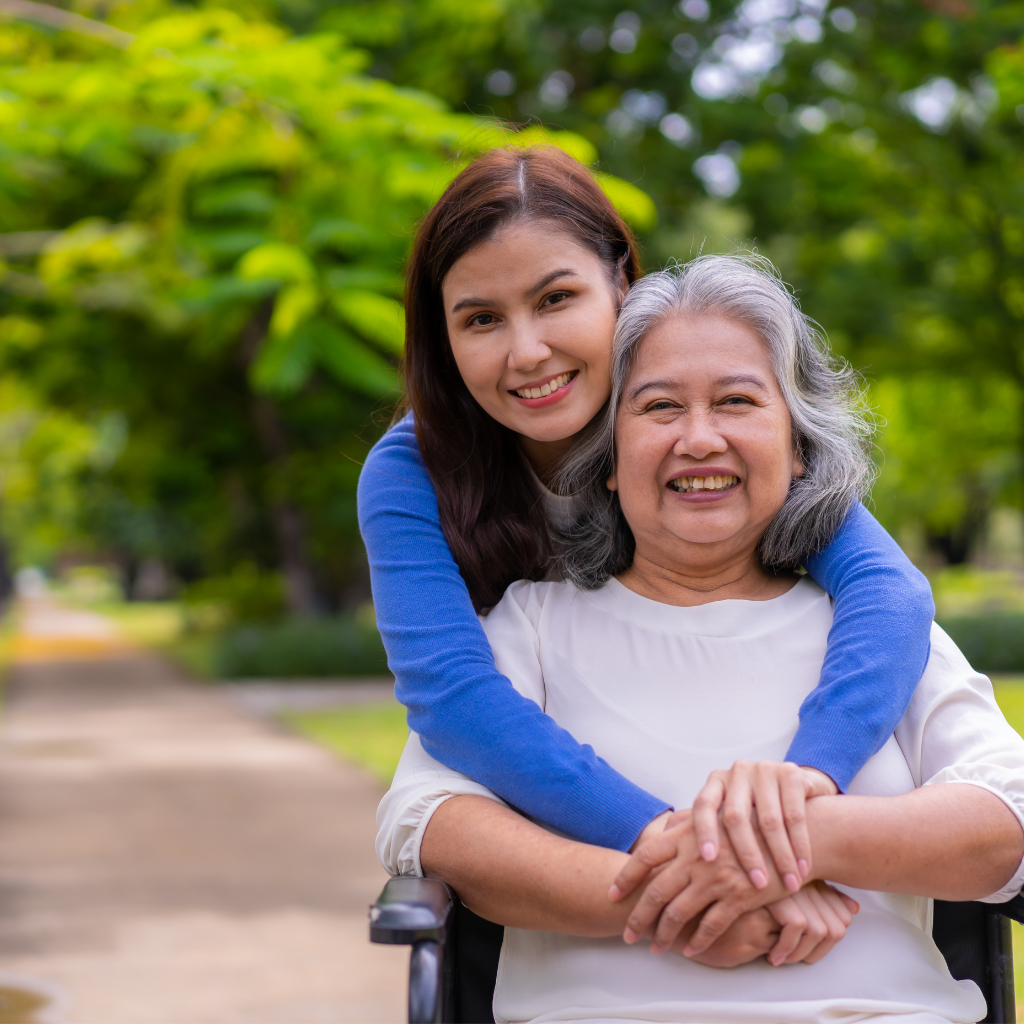
Hospital discharge represents particularly meaningful homecoming contexts where flowers serve dual purposes—celebrating recovery progress while transforming home environments into healing sanctuaries supporting continued convalescence after medical treatments or procedures.
Timing hospital discharge flowers requires coordination ensuring arrangements arrive home before patients return, greeting them immediately upon entry with beauty and cheer. Contact family members or caregivers to determine discharge timing—hospitals often provide approximate discharge windows (morning, afternoon) allowing strategic delivery coordination. Flowers waiting at home create immediate positive emotional impact after institutional medical environments, making the return feel like genuine celebration rather than simply location change from hospital to home.
Flower selection for medical recoveries should emphasize cheerful optimism while avoiding varieties that might complicate healing. Bright cheerful flowers (sunflowers, gerberas, yellow or orange roses) communicate vitality, energy, and positive recovery wishes. Avoid heavily fragrant varieties that might trigger nausea in patients still experiencing post-treatment sensitivities—oriental lilies, stargazers, or heavily scented roses might prove overwhelming for individuals with lingering medication side effects or surgical recovery symptoms. Choose low-pollen varieties reducing allergy concerns during immune system recovery periods. Our get well collection offers recovery-appropriate options.
Placement matters significantly for recovery homecoming flowers. Position arrangements in spaces where recovering patients will spend most time—living rooms, bedrooms (if not too fragrant), or recovery areas where they'll convalesce. Ensure flowers don't obstruct medical equipment, interfere with caregiver movement, or create maintenance burdens for exhausted family members managing recovery support. Consider long-lasting varieties (orchids, alstroemeria) or easy-maintenance arrangements requiring minimal care from already-overwhelmed support networks.
Messages for medical recovery homecomings should balance celebration with realistic acknowledgment that recovery journeys continue beyond hospital discharge. Appropriate phrases include "So glad you're home—wishing you comfortable healing in familiar surroundings" or "Welcome home! Take all the time you need to recover fully—we're here supporting you." Avoid messages suggesting recovery is complete upon discharge ("Congratulations on beating this!") when patients face ongoing rehabilitation, medication regimens, or uncertain prognoses. Frame homecomings as positive steps in continuing journeys rather than definitive endings to medical challenges.
For serious illnesses or major surgeries, consider coordinating flower deliveries with caregivers to ensure timing doesn't coincide with difficult adjustment periods. Some patients experience post-hospital depression or anxiety once home support structure differs from institutional care—flowers arriving during these vulnerable moments provide tangible comfort and visual beauty during emotional fragility. However, respect if family members indicate patients prefer minimal stimulation during initial homecoming periods, delivering flowers later once adjustment stabilizes.
Travel Return and Vacation Homecomings
- Extended Business Travel Returns: For partners returning after extended business trips (regional sales tours, project assignments, conferences), welcome home flowers acknowledge relationship maintenance difficulty during separations and celebrate reunions. Red or pink roses convey romantic welcome for spouses, while elegant mixed arrangements suit various relationship types. Time deliveries for late afternoon or evening arrivals when travelers likely return home from airports, creating beautiful first impressions as they enter residences. Messages can be simple and heartfelt: "Welcome home—missed you so much!" or playful: "Finally! The house feels complete again with you back." These flowers transform mundane travel returns into celebrated homecomings acknowledging relationship effort during separation.
- Family Vacation Returns: After family holidays or extended visits to home countries, welcome home flowers create joyful reentry into daily Singapore routines. These arrangements work particularly well when one family member returns earlier than others—flowers greet late arrivals with visual welcome and demonstrate thoughtfulness from family members already home. Choose cheerful family-friendly varieties that all ages appreciate (sunflowers, gerberas, mixed colors) rather than romantic varieties suggesting partner-specific gestures. Messages might reference trips: "Welcome back from [destination]! Hope you had an amazing time" or emphasize home comfort: "There's no place like home—glad you're back safely!"
- Student University Term Returns: University students returning to Singapore for semester breaks, summer holidays, or post-graduation homecomings appreciate flowers acknowledging family pride and creating festive homecoming atmospheres. Parents often send flowers celebrating children's academic progress and expressing joy at reunions after months of separation. Choose age-appropriate arrangements—young adults appreciate sophisticated modern designs rather than childish presentations. Messages can acknowledge both academic life and home comfort: "Welcome home! So proud of you and excited to spend time together" or "Home for the holidays—let the celebrations begin!" Time deliveries for late afternoon or evening when students typically arrive from airports after long travel days.
- Extended Overseas Work Assignments: For family members completing months-long overseas assignments (regional postings, project secondments, training programs), homecoming flowers mark significant relationship milestones after extended separations. These returns often mix relief with readjustment challenges as individuals reintegrate into family dynamics changed during absence. Flowers should celebrate reunions while acknowledging transition complexity: "Welcome home—we've missed you so much. Excited to rebuild our routines together." Choose substantial arrangements reflecting separation duration and reunion significance—months apart justify more investment than brief trips. Consider combining flowers with favorite local foods, Singapore-specific items they missed abroad, or family photos showcasing what occurred during absence.
- Post-Pandemic Family Reunions: International travel restrictions during COVID-19 created extended forced separations between Singaporeans and overseas family members. Post-restriction reunions carry heightened emotional significance after years without in-person contact. Welcome home flowers for these long-awaited reunions should reflect extraordinary circumstances—substantial meaningful arrangements acknowledging separation difficulty and relief at finally reuniting. Messages might reference specific timeframes: "Finally together after [X] years apart—this reunion means everything" or express profound relief: "Welcome home—we've been counting down to this moment forever." These flowers acknowledge not just individual returns but broader pandemic trauma affecting global families.
Timing and Coordinating Welcome Home Deliveries
Successful welcome home flower deliveries require precise timing coordination ensuring arrangements arrive exactly when needed for maximum emotional impact without logistical complications or premature deterioration before recipients actually return.
For known return dates and times (scheduled flights, hospital discharge appointments, moving dates), coordinate deliveries to arrive 2-4 hours before expected returns. This timing ensures flowers greet returning individuals immediately upon entry while avoiding too-early delivery risking flower deterioration during delays or flight changes. Contact recipients' family members, housemates, or building management to facilitate deliveries when recipients aren't yet home. Provide delivery personnel with recipient contact information enabling coordination if timing issues arise.
For uncertain return timing (flexible travel plans, possible delays, ambiguous schedules), consider delivering flowers day before returns rather than risking missed deliveries or spoiled flowers. One day of display before arrivals minimally impacts freshness while guaranteeing arrangements await returning individuals regardless of exact timing variations. Include care instructions with arrangements so family members can maintain flowers optimally during waiting periods before actual returns occur.
For surprise homecoming flowers (unknown to returning individuals), coordinate extensively with family members, friends, or neighbors who can facilitate secret deliveries. Surprise flowers require secure delivery locations preventing premature discovery—inside homes rather than doorstep deliveries, with trusted parties receiving arrangements. These surprises create memorable emotional moments as returning individuals enter homes unexpectedly transformed by floral welcomes they didn't anticipate. However, ensure surprise timing doesn't interfere with immediate homecoming needs—if returning travelers need to unpack urgently, manage children, or handle immediate matters, delayed surprise reveals might serve better than immediate presentations during arrival chaos.
For airport pickup scenarios where you're collecting returning travelers, consider arranging flowers at pickup location or having them waiting in vehicles during airport pickups. This immediate presentation creates dramatic romantic or celebratory moments though requires careful logistics managing flowers during airport chaos. Alternatively, reveal flowers upon arriving home together, building anticipation during drive and presenting arrangements as home welcome rather than airport greeting. The approach choice depends on relationship type and homecoming formality level—airport presentations suit romantic reunions while home revelations work for family contexts.
For sequential homecomings where multiple family members return on different dates, consider either single large arrangement maintained throughout all returns or sequential smaller arrangements for each person's specific return. Sequential deliveries demonstrate individual acknowledgment and maintain fresh flowers throughout extended return periods. Single arrangements prove more economical and create consistent home beauty but lack personalized individual recognition sequential deliveries provide. The choice depends on budget, family preferences, and separation duration requiring welcome recognition.
Expatriate Returns and Repatriation Homecomings
Expatriates returning to Singapore after overseas assignments face unique homecoming dynamics involving both excitement and anxiety—joy about Singapore familiarity mixed with concerns about reverse culture shock, career uncertainties, or leaving relationships formed abroad—requiring thoughtful flower approaches acknowledging complex emotions rather than assuming purely celebratory contexts.
For Singaporeans returning home after overseas assignments (expatriate postings, extended study abroad, international work experiences), welcome home flowers should emphasize Singapore reconnection and belonging restoration. Consider arrangements featuring Singapore-appropriate tropical varieties, orchids (Singapore's national flower), or sophisticated designs reflecting Singapore's cosmopolitan aesthetics. Messages can acknowledge both Singapore appreciation and international experience value: "Welcome back to Singapore! Excited to hear about your adventures abroad while enjoying familiar comforts together" or "Home is wherever you are, but Singapore is richer with you back where you belong."
For international expatriates newly arriving or returning to Singapore assignments, flowers welcome them into Singapore contexts while acknowledging adjustment challenges ahead. These arrangements should be professionally elegant reflecting international sophistication while introducing Singapore's flower aesthetics. Messages might express Singapore welcome: "Welcome to Singapore! Wishing you wonderful experiences in this amazing city" or for returning expats: "Welcome back to Singapore—glad to have you here again!" Avoid assumptions about their feelings regarding Singapore placement—some thrive internationally while others reluctantly accept assignments, making neutral positive welcomes safer than overly enthusiastic celebrations that might ring false for ambivalent relocatees.
For repatriation after long overseas periods (5+ years abroad), recognize identity complexities developing when individuals become culturally hybrid—no longer purely Singaporean yet not fully integrated into host countries either. Welcome home flowers should validate that Singapore remains home while acknowledging they've changed: "Welcome home—excited to reconnect and hear about the person you've become" or "Singapore is lucky to have you back, bringing all the experiences and wisdom you've gained abroad." Avoid suggestions that they should simply "return to normal" as if nothing changed—respect that overseas years fundamentally transform people requiring adjustment even when returning to theoretically familiar environments.
Coordinate repatriation flowers with practical settling-in timelines. For moves into new Singapore residences, deliver flowers within first few days after move-in once basic unpacking allows appreciation. For returns to previous homes, immediate delivery upon return suits timing. However, recognize repatriation often involves overwhelming logistics—customs, housing, schools, employment—making flowers potentially low priority during crisis management mode. Sometimes waiting 1-2 weeks until settling stabilizes allows better appreciation than immediate delivery during chaos. Consult with family members about optimal timing balancing symbolic welcome with practical appreciation capacity. Browse our housewarming collection for relocation-appropriate options.
Military and Deployment Homecoming Flowers

Military homecomings carry heightened emotional intensity after extended deployments involving danger, separation anxiety, and relationship strain requiring particularly thoughtful flower approaches honoring service while facilitating reunion transitions that sometimes prove more complex than anticipated.
For romantic partners welcoming service members home from deployments, flowers can emphasize enduring love and relief at safe returns. Red roses declare love surviving separation and danger, while mixed romantic arrangements balance passion with warmth. Time deliveries precisely for arrival moments—if meeting at base or airport, consider bringing flowers for immediate presentation creating iconic reunion imagery. If they're arriving home directly, ensure flowers wait creating romantic homecoming atmosphere. Messages should be deeply personal and emotional: "You're finally home safe—I love you more than words can say" or "Counted every day until this moment. Welcome home, my love."
For family members welcoming children or parents home from service, flowers celebrate safe returns while acknowledging service sacrifice and family strain during separations. Choose patriotic color schemes (red, white, blue for some contexts) or meaningful personal favorites honoring their preferences. Messages should express pride and relief: "So proud of your service and so grateful you're home safe. We love you so much" or "Welcome home, hero! The family is complete again with you back where you belong." These messages balance service acknowledgment with personal family joy about reunions.
Recognize that military homecomings sometimes involve post-traumatic stress, adjustment difficulties, or relationship tensions requiring sensitive approaches. Flowers represent positive welcoming gestures but cannot resolve deeper readjustment challenges many service members face. If partners or family indicate service members need quiet low-key returns rather than elaborate celebrations, respect these requests delivering modest arrangements facilitating calm transitions rather than overwhelming festivities. Some service members thrive on celebratory homecomings while others require gentle reintegration—trust family members' assessments about appropriate approach intensity.
For extended deployments (6+ months), consider that relationships and home environments changed during absence requiring adjustment from both service members and families. Welcome home flowers should acknowledge reunion joy while validating that reconnection takes time: "Welcome home—let's take things at whatever pace feels right as we reconnect and rebuild our routines together." Avoid expectations that everything immediately returns to pre-deployment normal—successful reintegration requires patience, communication, and acceptance that all parties changed during separation.
Messages and Card Content for Welcome Home Flowers

Welcome home flower messages should balance multiple emotional dimensions—expressing joy at returns, acknowledging separation difficulty, providing comfort about home familiarity, and sometimes validating complex feelings accompanying homecomings that aren't purely celebratory.
For joyful straightforward returns (vacations, brief trips, happy relocations), messages can be simply celebratory: "Welcome home! We missed you so much and are thrilled you're back" or "There's no place like home—so glad you're here again!" These direct positive messages suit contexts without complicating emotional factors requiring more nuanced acknowledgment. Keep them warm, enthusiastic, and focused on reunion joy without overthinking simplicity when situations genuinely are straightforward celebrations.
For medically complicated returns (hospital discharges, recovery homecomings), balance optimism with realism: "Welcome home to familiar comforts. Wishing you gentle healing and steady progress—we're here supporting you every step" or "So glad you're back home where you belong. Take all the time you need to recover fully." These messages celebrate discharge while acknowledging ongoing challenges requiring continued care and family support. Avoid suggesting medical journeys concluded or minimizing ongoing difficulties they face during recovery processes.
For emotionally complex returns (repatriations, relocations with mixed feelings, returns under difficult circumstances), acknowledge complexity: "Welcome home—this transition probably brings mixed emotions, and that's completely okay. We're glad you're here and ready to support whatever comes next" or "Every homecoming is different. Whatever you're feeling about being back, know you're loved and welcomed exactly as you are." These messages validate that not all returns feel purely happy, respecting recipient agency to feel however they authentically feel rather than forcing artificial cheerfulness that might feel invalidating.
For romantic reunions, messages can be more personal and intimate: "Finally home where you belong—in my arms. Missed you more than words can express" or "Welcome home, my love. Being apart reminded me how much you mean to me—never letting you go again!" These romantic messages suit partners comfortable with emotional expression and deep relationship intimacy. For newer relationships or more reserved partners, maintain some restraint: "So happy you're home! Can't wait to spend time together again" balances enthusiasm with appropriate boundaries.
For children or young adults returning home, messages can be playful and warm: "Welcome home, kiddo! The house felt too quiet without you—time to make some noise!" or "Home for the holidays! Let's make this the best break ever." These lighter messages suit parent-child relationships and younger recipients appreciating humor alongside warmth. For adult children returning, maintain respect for their maturity while expressing parental joy: "Welcome home—so wonderful to have you back under our roof, even if just temporarily. Let's make the most of this time together."
Combining Welcome Home Flowers with Practical Homecoming Gifts
While flowers alone make meaningful welcome home gestures, combining them with practical items addressing immediate homecoming needs creates more comprehensive care packages showing thoughtfulness about recipients' specific transition challenges and requirements.
For medical recovery homecomings, combine flowers with comfort items (soft blankets, entertainment options, healthy snacks, herbal teas) creating complete care packages addressing recovery needs beyond visual beauty. These combinations show you considered specific recovery requirements—comfort, boredom prevention, nutrition support—while flowers provide emotional uplift. Our gift hampers offer combination options suitable for various contexts.
For travel returns, combine flowers with local foods or items they missed abroad—favorite Singapore snacks, local coffee brands, regional specialties unavailable internationally. These combinations acknowledge that extended time away creates cravings for familiar tastes and products, demonstrating attention to specific comfort details that make home feel genuinely welcoming. For overseas returns to Singapore, local items help reacclimate to Singapore context after time away in different food and product environments.
For student returns, combine flowers with practical university-life items (storage solutions, dorm decorations, academic supplies) or treats for brief home visits (favorite home-cooked meal ingredients, entertainment options). These combinations show understanding of their dual lives spanning university and home contexts, supporting both identities rather than treating them as purely "home" individuals ignoring their developing independence and university identities.
For expatriate repatriations, combine flowers with practical settling-in support—local maps and guides, Singapore-specific information, introductions to services, or offers of concrete assistance (helping unpack, providing meals during transition chaos). These practical supports combined with flowers' symbolic welcome create balanced approaches addressing both emotional and logistical homecoming needs simultaneously. Expatriate transitions involve overwhelming practical challenges where concrete help means as much as symbolic gestures.
Conclusion: Creating Meaningful Reunion Moments
Welcome home flowers in Singapore transform ordinary returns into celebrated reunions, acknowledging that homecomings—whether after brief trips or extended separations—carry emotional significance deserving recognition through beautiful meaningful gestures. By selecting flowers appropriate to specific homecoming contexts, timing deliveries for maximum positive impact, crafting messages that honor complex emotions rather than forcing artificial cheerfulness, and combining flowers with practical support addressing real transition needs, gift-givers ensure welcome home flowers genuinely enhance reunion experiences rather than creating additional obligations during already stressful transition periods.
The key to successful welcome home flowers lies in balancing celebration with awareness that not all returns feel purely joyful—some involve grief, anxiety, ambivalence, or adjustment challenges requiring sensitivity alongside enthusiasm. Whether welcoming loved ones from medical stays, travel adventures, overseas assignments, or difficult separations, thoughtfully selected arrangements demonstrate that home means more than physical location—it represents relationships, belonging, and the comfort of being with people who celebrate your presence. Explore our home arrangements collection for homecoming-appropriate options, or contact us about creating custom welcome designs honoring specific return contexts within Singapore's globally connected, constantly mobile community.
Frequently Asked Questions (FAQ)
Q: When should welcome home flowers be delivered?
A: Optimal timing ensures flowers arrive 2-4 hours before expected returns, greeting individuals immediately upon entry. For hospital discharges, coordinate with caregivers about discharge timing (often morning or early afternoon), delivering flowers home beforehand. For travel returns with known flight arrivals, calculate airport-to-home travel time and schedule accordingly. For uncertain timing, deliver day before returns guaranteeing flowers await despite schedule variations. For surprise homecomings, coordinate extensively with family members facilitating secret deliveries inside homes. For sequential returns (multiple family members returning different dates), choose either single maintained arrangement throughout or sequential deliveries for each return. Avoid deliveries during arrival chaos—allow 1-2 hours settling time before flowers arrive if immediate entry period proves hectic with luggage, children, or urgent matters.
Q: What flowers are appropriate for hospital discharge homecomings?
A: For medical recovery homecomings, choose cheerful optimistic varieties communicating vitality and health: sunflowers (energy, positivity), gerbera daisies (cheerfulness, joy), yellow or orange roses (warmth, optimism). Avoid heavily fragrant flowers (oriental lilies, stargazers, heavily scented roses) that might trigger nausea in patients with lingering medication sensitivities. Choose low-pollen varieties reducing allergy concerns during immune recovery. Consider long-lasting varieties (orchids, alstroemeria) requiring minimal maintenance from exhausted caregivers. Position arrangements in recovery spaces where patients will convalesce—living rooms, bedrooms (if not too fragrant)—ensuring flowers don't obstruct medical equipment or interfere with caregiver movement. Messages should balance celebration with realism: "Welcome home—wishing comfortable healing in familiar surroundings" acknowledging ongoing recovery journeys beyond discharge.
Q: Should I send welcome home flowers if someone is returning from a difficult situation?
A: This requires careful judgment based on circumstances. For returns from medical treatments, complicated trips, or challenging circumstances, flowers can provide comfort and demonstrate care if framed appropriately. Acknowledge complexity in messages: "Welcome home—whatever you're feeling about this transition, know you're loved and supported" validating that homecomings aren't always purely happy. However, for returns from traumatic situations, grief-related travel, or contexts where recipients need space and quiet, flowers might feel intrusive rather than comforting. Consult with close family members about whether flowers would help or overwhelm. When uncertain, consider waiting several days after returns allowing initial adjustment before sending flowers as ongoing support rather than immediate homecoming gestures. Trust your relationship knowledge—close bonds often can read whether gestures will comfort or burden during difficult transitions.
Q: What should I write on welcome home flower cards?
A: Write messages matching homecoming contexts and emotional tones. For joyful returns: "Welcome home! Missed you so much—glad you're back safe and sound" or "There's no place like home. So happy you're here!" For medical recoveries: "Welcome home to comfort and healing. We're here supporting you every step" balancing celebration with recovery reality. For romantic reunions: "Finally home where you belong—missed you more than words can say" (emotionally intimate for close relationships). For expatriate returns: "Welcome back to Singapore! Excited to reconnect and share all our news" acknowledging both Singapore context and relationship continuation. For complex homecomings: "Welcome home—this transition brings mixed emotions, and that's okay. Glad you're here" validating complicated feelings. Keep messages warm, specific to relationship, and authentic to your communication style rather than forced formality.
Q: Can I send welcome home flowers to someone else's house?
A: Yes, sending flowers to homes where people will stay (parents' homes, friends' residences, temporary accommodations) works perfectly for welcome home gestures. Coordinate with hosts about delivery timing ensuring someone receives arrangements and can position them appropriately before guests arrive. Provide complete accurate addresses including unit numbers for Singapore's multi-unit buildings. Include notes clarifying these are welcome home flowers for specific guests rather than gifts for hosts, preventing confusion about intended recipients. For extended stays at others' homes, consider hosts' space and preferences—modest arrangements prove more appropriate than lavish displays potentially overwhelming hosts' generosity. Thank hosts in messages for hosting returning individuals: "Thank you for welcoming [name] into your home—these flowers celebrate their return and your hospitality."
Q: How much should I spend on welcome home flowers?
A: Spending should reflect relationship closeness, separation duration, and homecoming context significance. For romantic partners after extended separations (months), invest substantially reflecting relationship importance and separation difficulty—major reunions merit meaningful gestures. For family members (children, parents, siblings), spending reflects family bond significance and practical financial capacity. For friends' casual returns from brief trips, modest thoughtful arrangements suffice without excessive investment creating uncomfortable obligation. For medical recoveries, consider that families face financial stress from medical bills—thoughtful moderate arrangements demonstrate care without appearing insensitive to financial burdens. For uncertainty, mid-range arrangements balance meaningfulness with appropriateness across contexts. Remember quality and thoughtfulness matter more than expense—well-chosen modest arrangements with heartfelt messages often mean more than expensive generic selections.
Q: Should welcome home flowers be delivered to homes or airports?
A: Home delivery typically works best for practical and emotional reasons. Flowers arriving at homes create beautiful first impressions as returning individuals enter familiar spaces, transforming environments into welcoming sanctuaries. Home deliveries avoid airport logistics challenges—carrying flowers through crowds, customs, transportation with luggage. However, airport pickups suit certain contexts: romantic reunions where immediate presentation creates iconic moments, or when you're personally collecting travelers and want immediate gestures rather than delayed home reveals. For airport presentations, choose compact durable arrangements (hand-tied bouquets, smaller designs) easily carried. For home deliveries, any arrangement style works since they'll be positioned permanently. Consider recipient personalities—some love public romantic gestures while others prefer private welcomes. When uncertain, home delivery proves safer avoiding airport chaos and public attention.
Q: Are welcome home flowers appropriate after someone returns from a funeral or sad occasion?
A: Yes, but approach thoughtfully with modified framing. After returning from funerals or grief-related travel, flowers can provide comfort and demonstrate care, but avoid "welcome home" framing suggesting celebration when returns involve grief. Instead, frame as sympathy support that happens to arrive at homes: "Thinking of you during this difficult time. Sending love and support" rather than "Welcome home!" which feels tonally wrong. Choose appropriate varieties—whites, pastels, peaceful colors rather than vibrant celebratory shades. Alternatively, wait several days after returns allowing initial grief processing before sending flowers framed as ongoing support rather than homecoming celebrations. The goal involves demonstrating care and presence without forcing inappropriate cheerfulness during legitimate mourning. Your gesture should comfort, not complicate their grief or create obligation to respond with gratitude during emotionally exhausting periods.


