




Lilies Singapore: Ultimate Guide to Elegant Blooms with Timeless Beauty & Fragrance

Lilies epitomize floral elegance with their graceful trumpet-shaped blooms, intoxicating fragrance, and sophisticated presence that transforms any Singapore home or celebration into something extraordinary. These majestic flowers, belonging to the genus Lilium, have captivated civilizations for millennia with their stunning beauty and powerful symbolism spanning from ancient Greek mythology to modern luxury weddings. Whether you're selecting lilies for romantic gestures, memorial tributes, religious celebrations, or simply elevating your living space with their refined beauty, understanding the diverse lily varieties, cultural meanings, and care requirements ensures these magnificent blooms deliver their full impact in Singapore's tropical environment.
At FloraMoments, our lily collection showcases the exceptional beauty and diversity of these elegant flowers, featuring carefully selected varieties that thrive in Singapore's climate while delivering the visual drama and exquisite fragrance that make lilies perennial favorites for discerning flower lovers. We source premium lilies from specialized growers ensuring optimal freshness, maximum bloom potential, and extended vase life for your most important occasions.
Major Lily Types: Understanding the Diversity
The lily family encompasses numerous distinct types, each with characteristic appearance, fragrance, care requirements, and cultural associations. Understanding these differences helps you select appropriate lilies for specific occasions and aesthetic preferences in Singapore's multicultural context.
| Lily Type | Characteristics | Fragrance | Best Uses | Cultural Considerations |
|---|---|---|---|---|
| Asiatic Lilies | Upward-facing blooms, vibrant colors, no spots | Minimal to none | Allergy-sensitive recipients, modern arrangements, colorful displays | Universally appropriate across cultures |
| Oriental Lilies | Large blooms, elegant recurved petals, spotted centers | Very strong, sweet fragrance | Luxury gifting, romantic occasions, home fragrance | Avoid for hospitals, small spaces |
| Trumpet/Aurelian Lilies | Long trumpet-shaped flowers, impressive height | Moderate to strong | Grand arrangements, church flowers, statement pieces | Popular for Christian celebrations |
| LA Hybrids | Large upward blooms, combine best Asiatic/Longiflorum traits | Light fragrance | Versatile for any occasion, commercial floristry | Safe choice for uncertain preferences |
| Longiflorum (Easter Lilies) | Pure white trumpets, symbolic elegance | Moderate sweet fragrance | Easter celebrations, religious events, sympathy | Strong Christian associations |
| Oriental-Trumpet (OT) Hybrids | Massive blooms (20-25cm), combines Oriental beauty with Trumpet vigor | Moderate to strong | Luxury weddings, high-end events, dramatic impact | Premium positioning across cultures |
Lily Symbolism and Cultural Meanings

Lilies carry profound symbolic meanings varying across Singapore's diverse cultural communities. Understanding these nuances prevents unintended messaging and ensures your lily gifts communicate appropriate sentiments in different contexts.
Chinese Cultural Significance: In Chinese culture, lilies (百合, bǎi hé) symbolize unity, lasting love, and a harmonious union—the name literally means "hundred years of harmony." This makes lilies popular for weddings, anniversaries, and celebrations of long-term relationships. Pink and yellow lilies convey prosperity and wealth, while white lilies can carry dual meanings—purity and innocence in celebratory contexts, but also mourning and death in funeral settings. For Chinese New Year or celebratory gifting, avoid pure white lily arrangements, instead choosing pink, yellow, or orange varieties. Our Chinese New Year collection features culturally appropriate lily options when seasonally available.
Christian Symbolism: Lilies hold powerful religious significance in Christianity, particularly white lilies symbolizing Virgin Mary's purity, innocence, and virtue. Easter lilies represent resurrection and new life, making them essential Easter celebration flowers. White lilies appear in Christian weddings symbolizing purity and commitment. Churches across Singapore display lilies during religious celebrations, and Christian families appreciate lilies as meaningful gifts acknowledging shared faith. However, this strong religious association means lilies may feel inappropriate for secular celebrations or non-Christian recipients—cultural sensitivity requires considering recipient's background.
Western Traditions: Beyond Christian contexts, Western culture associates lilies with refined beauty, sophistication, and devotion. Different colors carry specific meanings: white for purity and sympathy, pink for prosperity and abundance, yellow for gratitude and gaiety, orange for confidence and passion, and red for love and romance. However, white lilies' strong funeral associations in Western culture make them potentially problematic for celebratory gifting—many Western recipients associate white lilies with death and mourning rather than joy.
Appropriate Gifting Contexts: Given complex symbolism, lilies work best for: weddings (particularly pink or colored varieties avoiding pure white), anniversaries celebrating lasting love, sympathy and funeral tributes (white appropriate here), religious celebrations (Easter, baptisms, confirmations), romantic gestures (pink, red, or orange), and expressions of admiration and respect. Avoid lilies for: casual "thinking of you" gifts (too formal), Chinese celebratory contexts requiring pure white arrangements, recipients with severe fragrance sensitivities, and situations where religious symbolism might be inappropriate or misunderstood.
Lily Availability and Pricing in Singapore
Singapore imports most lilies from specialized growing regions worldwide, with availability and pricing fluctuating based on variety, season, and market conditions. Understanding these patterns helps you plan purchases and budget appropriately.
Primary Growing Regions: Netherlands dominates global lily production and export, providing Singapore with consistent year-round supplies of diverse varieties. New Zealand offers premium quality during Southern Hemisphere growing seasons (October-March). Ecuador exports excellent lilies year-round from high-altitude farms producing exceptional bloom size. Thailand and Malaysia provide regional options at lower price points, though quality varies more than European sources. China increasingly exports lilies to Singapore, particularly LA Hybrids and Asiatic varieties at competitive prices.
Seasonal Considerations: While available year-round, lily quality and pricing show seasonal patterns. Peak quality occurs during Northern Hemisphere spring and summer (March-September) when primary Dutch suppliers have optimal growing conditions. Easter season (March-April typically) sees price increases of 20-40% due to overwhelming demand for white Easter lilies. December holidays also drive prices up 15-25% as lilies feature prominently in Christmas and New Year celebrations. Best value timing occurs during shoulder months (February, October-November) when supply is ample but demand moderate.
Pricing Structure: Lily stem pricing varies significantly by type and quality. Asiatic lilies cost $4-8 per stem for standard quality, with premium extra-large blooms reaching $8-12. Oriental lilies command $8-15 per stem reflecting their larger size and intense fragrance. Trumpet lilies range $10-18 per stem due to impressive size and dramatic presentation. OT Hybrids represent luxury pricing at $15-25 per stem, justified by massive 20-25cm blooms. Complete arrangements start around $50-80 for modest hand bouquets (3-5 lily stems with fillers) and range to $200-400 for substantial luxury arrangements featuring 10-15 premium lilies.
| Arrangement Type | Typical Price Range (SGD) | Lily Stem Count | Best Occasions |
|---|---|---|---|
| Simple Hand Bouquet | $50 - $80 | 3-5 Asiatic lilies with greenery | Casual gifting, "thinking of you" |
| Mixed Oriental Arrangement | $90 - $150 | 5-7 Oriental lilies with roses/fillers | Romantic occasions, anniversaries |
| Luxury Statement Bouquet | $180 - $280 | 8-12 premium Orientals or OT Hybrids | Milestone celebrations, luxury gifting |
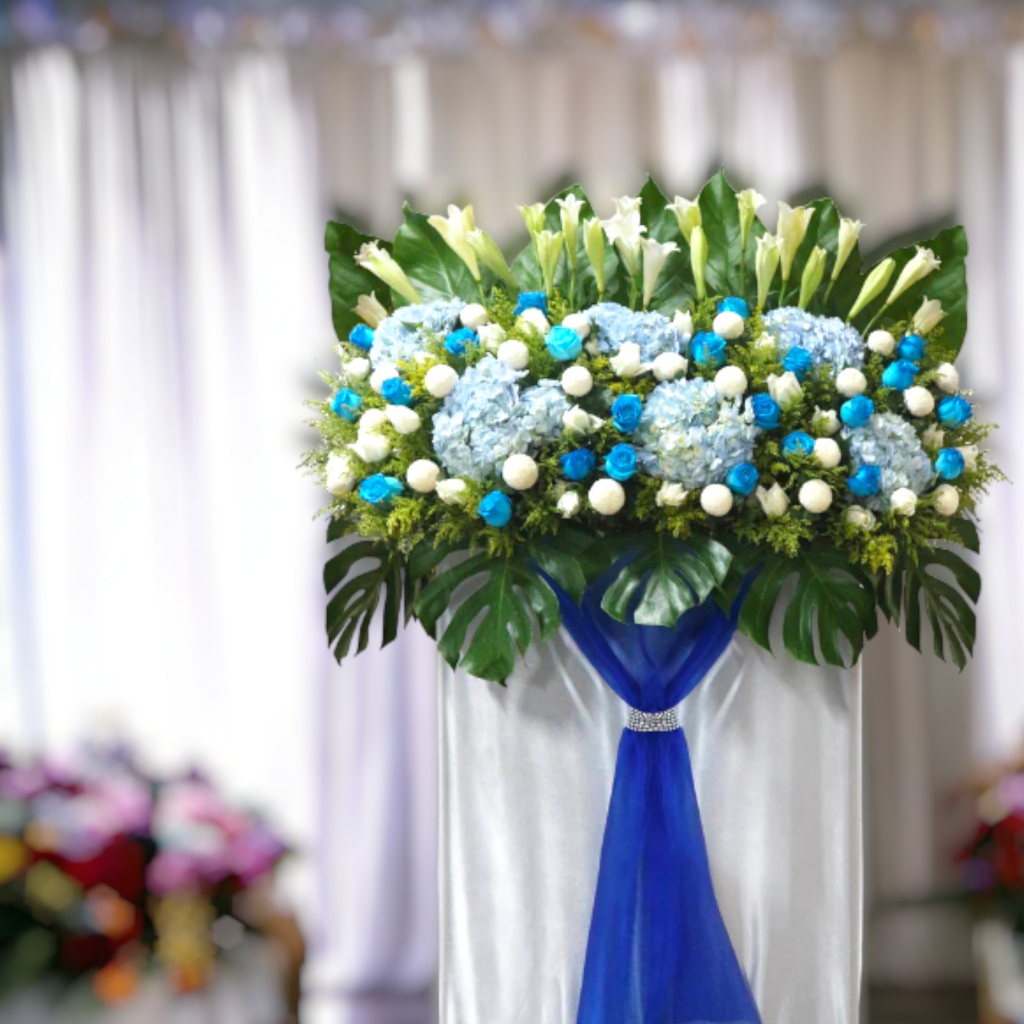
| Sympathy Standing Spray | $150 - $300 | 10-15 white lilies with appropriate florals | Funeral services, memorial tributes |
| Wedding Bridal Bouquet | $120 - $250 | 5-8 lilies mixed with roses/peonies | Wedding ceremonies |
| Corporate Standing Arrangement | $200 - $400 | 12-20 mixed lily varieties | Grand openings, corporate events |
Caring for Lilies in Singapore's Tropical Climate

Lilies require specific care techniques maximizing their vase life and bloom potential in Singapore's heat and humidity. Proper handling significantly impacts how long these elegant flowers maintain their beauty and fragrance.
Initial Processing Upon Arrival: Immediately upon receiving lilies, unpack them to prevent overheating in Singapore's ambient temperatures. Remove all packaging materials and any foliage that would sit below the waterline. Using sharp, clean shears, cut stems at 45-degree angles removing 3-5cm from bottoms. Make cuts under running water if possible to prevent air bubbles entering stems. Remove the lowest leaves but retain some foliage for photosynthesis support. Most importantly, remove anthers (the pollen-bearing organs) from lily centers to prevent pollen staining and extend bloom life—gently pinch or pull anthers off before pollen sheds.
Water Management: Fill vases 3/4 full with cool (not cold) filtered or bottled water—Singapore's chlorinated tap water can affect sensitive lily stems. Add flower food provided by your florist, as the nutrients and bactericides significantly extend vase life. Change water completely every 2-3 days rather than just topping up, as bacterial buildup accelerates deterioration. Each water change, re-cut stems removing 1cm and rinse them under cool water before returning to clean vases. Lilies are heavy drinkers—check water levels daily and replenish as needed.
Temperature and Placement: While less temperature-sensitive than delicate flowers like peonies, lilies last longer in air-conditioned environments (22-24°C) than in Singapore's ambient heat. Position arrangements away from direct sunlight, heating sources, or air-conditioning vents causing rapid temperature fluctuations. Avoid placing lilies near ripening fruit, which releases ethylene gas accelerating flower aging. Lilies' strong fragrance can overwhelm small spaces—consider this when deciding placement in compact HDB flats or small bedrooms.
Managing Pollen and Fragrance: Oriental lilies' powerful fragrance delights some but overwhelms others. If fragrance becomes excessive, move arrangements to well-ventilated areas or larger rooms. For pollen concerns, remove anthers immediately upon blooms opening—this prevents orange pollen staining fabrics, skin, and furniture. If pollen does drop onto surfaces, remove it with sticky tape rather than wiping, which spreads stains. Some people experience headaches from intense lily fragrance; if this occurs, choose pollen-free Asiatic varieties for future purchases.
Encouraging Bud Development: Lilies often arrive with several buds per stem. To encourage all buds to open, maintain consistent water supply and position in bright indirect light. Each stem typically produces 3-8 blooms opening sequentially over 10-14 days. As lower blooms fade, remove spent flowers to direct energy toward remaining buds. This sequential blooming means lily arrangements evolve throughout their display period, providing changing beauty rather than static appearance.
Popular Lily Varieties Available in Singapore

Familiarity with specific lily varieties helps you request particular types from florists and understand quality differences between commercial offerings. These popular varieties dominate Singapore's lily market.
Stargazer (Oriental Lily): Perhaps the most iconic lily variety features deep pink petals with white edges and prominent crimson spots. Stargazer's intense sweet fragrance and stunning beauty make it the most requested Oriental lily worldwide. Each stem produces 3-6 enormous blooms (15-20cm diameter) creating dramatic impact. However, the powerful fragrance can overwhelm small spaces, and pollen stains require careful anther removal. Stargazer suits romantic gifting, luxury arrangements, and situations where fragrance enhances ambiance. Our love and romance collection frequently features Stargazer lilies for their passionate beauty.
Casa Blanca (Oriental Lily): Pure white Oriental lily representing refined elegance and sophistication. Casa Blanca features enormous blooms without spots, creating clean, sophisticated appearance. The sweet fragrance is intense but slightly less overwhelming than Stargazer. These premium lilies command higher prices ($12-18 per stem) but deliver unmatched elegance for luxury gifting, wedding arrangements, and upscale events. The pure white color carries different meanings across cultures—ensure appropriateness for your specific gifting context.
Sorbonne (Oriental Lily): Soft pink Oriental lily with white petal edges and gentle spotting. Less intense than Stargazer, Sorbonne offers romantic appeal with more approachable coloring. The moderate fragrance and softer appearance make Sorbonne suitable for wider range of recipients and occasions. Particularly popular for weddings wanting pink color schemes without Stargazer's dramatic boldness.
Yellow LA Hybrids: Bright, cheerful upward-facing lilies combining Asiatic and Longiflorum characteristics. Yellow LA Hybrids offer vibrant color without fragrance, making them ideal for allergy-sensitive recipients or situations where scentless flowers are preferred. Their sunny disposition suits congratulations, celebrations, and mood-lifting gifts. More affordable than Oriental varieties ($6-10 per stem), they provide excellent value for color impact.
Orange Asiatic Varieties: Vibrant orange upward-facing blooms creating bold, contemporary statements. No fragrance and minimal pollen make orange Asiatics practical choices for modern arrangements and office environments. The confident color suits congratulations, autumn themes, and energetic celebrations. Often feature interesting markings or bicolor petals adding visual interest.
White Longiflorum (Easter Lily): Classic trumpet-shaped pure white blooms strongly associated with Easter celebrations and religious symbolism. The moderate sweet fragrance and elegant form make these appropriate for religious events, sympathy arrangements, and church flowers. However, strong funeral associations in some cultures require contextual consideration. Available year-round but peak demand and quality occur during Easter season (March-April).
Lilies for Weddings and Special Events

Lilies' sophisticated beauty and powerful fragrance make them popular wedding and event flowers, though their distinctive characteristics require careful consideration for successful incorporation into Singapore celebrations.
Wedding Bouquets: Lilies create stunning bridal bouquets but require thoughtful handling. Their size means fewer stems achieve substantial presence—typically 5-8 lily blooms with complementary flowers create full bridal bouquets. However, lily pollen poses serious staining risks for wedding dresses, requiring complete anther removal before the ceremony. The strong fragrance can trigger headaches during lengthy wedding days—consider mixing fragrant Orientals with scentless Asiatics for balance. For tropical Singapore outdoor weddings, consider lilies for ceremony flowers in air-conditioned venues while using hardier blooms for outdoor elements exposed to heat. Browse our bridal collection for lily-inclusive wedding inspiration.
Ceremony Arrangements: Lilies excel in large-scale ceremony installations where their impressive size creates appropriate drama. Altar arrangements, aisle decorations, and entrance displays showcase lilies effectively. Their height (stems reach 80-120cm) provides vertical impact in church settings or high-ceiling venues. For Chinese weddings, choose pink, yellow, or orange lilies avoiding pure white unless specifically requested. Western and Christian weddings embrace white lilies' symbolic purity and religious significance.
Reception Centerpieces: Lily centerpieces require careful planning regarding fragrance intensity in enclosed reception venues. Strong Oriental lily fragrance can overwhelm dining experiences, compete with food aromas, or trigger sensitivity headaches. Consider using Asiatic lilies (no fragrance) for centerpieces while reserving fragrant Orientals for entrance displays or cake table decorations where close prolonged exposure is less likely. Ensure centerpieces allow conversation across tables—lilies' height requires lower arrangements or tall elevated designs.
Color Palette Considerations: Lilies support diverse wedding color schemes. White and cream lilies suit classic elegance, pink varieties complement romantic pastels, yellow and orange create vibrant tropical energy, and deep burgundy or wine-colored lilies enable sophisticated autumn palettes. LA Hybrids' extensive color range (including unusual hues like deep purple-black) provides options beyond traditional lily colors for contemporary wedding aesthetics.
Budget Planning: Lily weddings occupy moderate-to-luxury pricing territory. A modest lily wedding (bridal bouquet, 4 bridesmaid bouquets, 10 centerpieces, ceremony installation) typically costs $1,800-3,500 depending on lily varieties chosen and arrangement complexity. Premium Oriental and OT Hybrid weddings reach $4,000-7,000+ for comprehensive floral coverage. For budget optimization, feature lilies prominently in key elements (bridal bouquet, head table, ceremony backdrop) while using less expensive flowers in secondary arrangements.
Lilies in Singapore's Interior Design
Beyond special occasions, lilies elevate everyday home and office environments through their architectural beauty and ambient fragrance. Understanding how to incorporate these elegant flowers into various Singapore interior styles maximizes their decorative impact.
Modern Minimalist Spaces: Lilies' clean lines and sculptural blooms suit minimalist design perfectly. Display single lily stems in tall, narrow glass cylinders for dramatic simplicity. Choose white or cream lilies maintaining minimalist color palettes. Position strategically—console tables, bathroom counters, or bedroom nightstands benefit from single-bloom displays creating focal points without clutter. The key is restraint; minimalist spaces call for 1-3 stems maximum, allowing each bloom's architectural beauty to shine.
Luxury and Elegant Interiors: Oriental lilies belong in sophisticated spaces celebrating refined beauty. Display in crystal vases, silver containers, or elegant ceramic vessels appropriate for luxury aesthetics. Their fragrance enhances upscale environments, creating sensory experiences beyond visual beauty. Position in formal living rooms, master bedroom suites, or luxury powder rooms where their elegance reinforces overall design sophistication. Pair with complementary luxury elements—silk, velvet, precious metals—reinforcing elevated aesthetic.
Contemporary Asian Fusion: Lilies bridge Eastern and Western design sensibilities, particularly suitable for Singapore's contemporary Asian interiors. Display in ceramic vessels with Asian-inspired designs or modern interpretations of traditional forms. Combine with bamboo, orchids, or Asian-influenced foliage creating cohesive cultural aesthetic. Their significance in Chinese culture ("hundred years of harmony") adds meaningful dimension to Asian-influenced spaces beyond pure decoration.
Tropical Modern Spaces: While lilies originated in temperate regions, they work in tropical modern interiors when styled appropriately. Pair with bold tropical foliage—monstera, palm fronds, or bird of paradise leaves—creating fusion designs. Choose vibrant lily colors (orange, yellow, hot pink) complementing tropical palettes. Display in modern organic vessels—wood, stone, or natural fiber containers—connecting to tropical design's earth-forward aesthetic.
Small Space Solutions: Singapore's compact HDB flats require thoughtful lily placement due to their size and fragrance. Single stems in bedrooms or bathrooms provide luxury without overwhelming limited square footage. Kitchen windowsills accommodate small lily arrangements brightening cooking spaces. For fragrance-sensitive small spaces, choose Asiatic varieties providing visual beauty without scent intensity. Position away from seating areas where fragrance might become overbearing in close quarters.
Lilies and Health Considerations
While lilies offer spectacular beauty, they present specific health and safety considerations that Singapore residents should understand, particularly in households with pets, children, or individuals with sensitivities.
Pet Toxicity - Critical Warning: Lilies are highly toxic to cats—even small exposures (nibbling leaves, ingesting pollen, drinking vase water) can cause acute kidney failure and death within 24-72 hours. Dogs experience gastrointestinal upset but rarely serious complications. However, for cat households, lilies pose unacceptable risks. Singapore cat owners must avoid lilies entirely or ensure complete inaccessibility. Consider pet-safe alternatives like roses, orchids, or sunflowers instead. This toxicity extends to all true lilies (genus Lilium) but not "daylilies" (Hemerocallis) or "peace lilies" (Spathiphyllum, not true lilies).
Pollen Allergies and Sensitivities: Lily pollen triggers allergies in sensitive individuals, causing sneezing, watery eyes, and respiratory irritation. Oriental lilies produce particularly abundant pollen. Remove anthers immediately upon receiving lilies to minimize exposure. If someone experiences allergic reactions, remove arrangements from their environment and consider Asiatic lilies (less pollen) or pollen-free varieties for future purchases. Some individuals develop contact dermatitis from lily pollen—avoid touching face after handling and wash hands thoroughly.
Fragrance Sensitivities: Oriental lilies' powerful fragrance, while pleasant to many, triggers headaches, nausea, or migraines in sensitive individuals. Singapore's air-conditioned closed environments can concentrate fragrance to overwhelming levels. If fragrance causes discomfort, move arrangements to well-ventilated areas, choose Asiatic varieties (minimal scent), or opt for different flowers. Pregnant women may experience heightened fragrance sensitivity—consider this when gifting to expectant mothers.
Pollen Staining: Lily pollen creates permanent orange-brown stains on fabrics, skin, and porous surfaces. Never rub pollen stains—this embeds them deeper. Instead, use sticky tape to lift pollen, then treat stains with specialized removers. For fabrics, sunlight naturally bleaches lily pollen stains over time. Prevention through anther removal eliminates staining risks entirely. This is particularly critical for white wedding dresses, luxury bedding, or valuable upholstery near lily arrangements.
Lily Alternatives and Complementary Flowers
While lilies offer unique elegance, sometimes alternatives better suit specific situations, or complementary flowers enhance lily arrangements. Understanding these options provides flexibility for diverse needs and preferences.
Elegant Alternative - Calla Lilies: Despite the name, calla lilies (Zantedeschia) aren't true lilies but provide similar sophisticated elegance without fragrance or pollen concerns. Their smooth, sculptural blooms suit modern arrangements and formal occasions. Available in white, cream, yellow, pink, burgundy, and near-black varieties. More expensive than true lilies ($8-15 per stem) but extremely elegant. Calla lilies work better for pet households (less toxic, though still not pet-safe) and fragrance-sensitive recipients.
Fragrance-Free Option - Alstroemeria: Peruvian lilies (Alstroemeria, not true lilies) provide lily-like appearance without intense fragrance or problematic pollen. Available in extensive color range, long vase life (10-14 days), and affordable pricing ($3-6 per stem). Each stem produces multiple blooms creating abundant appearance. Excellent lily substitute for offices, hospitals, or allergy-sensitive recipients. Our curated arrangements collection features Alstroemeria in lily-style designs.
Romantic Alternative - Roses: For occasions where lilies' symbolism might be inappropriate (casual gifting, uncertain cultural context), roses provide universally understood elegance. Premium garden roses offer similar luxury positioning as Oriental lilies without complex cultural meanings. More versatile across diverse occasions and recipients. However, roses lack lilies' dramatic size and architectural presence.
Best Complementary Flowers for Mixed Arrangements: Roses (particularly white, pink, or cream) balance lilies' drama with romantic softness. Delphinium or stock provides vertical elements complementing lilies' height. Hydrangeas add volume and texture without competing. Lisianthus contributes ruffled elegance echoing lily sophistication. White orchids create luxury mixed arrangements with tropical sophistication. Eucalyptus, dusty miller, or ruscus provide textural greenery softening lilies' bold blooms.
Growing Lilies in Singapore: Challenges and Possibilities
Singapore gardeners occasionally attempt lily cultivation despite tropical climate challenges. Understanding realistic possibilities prevents disappointment while enabling informed experimentation for determined horticulturists.
Climate Incompatibility: Most true lilies evolved in temperate climates with distinct seasons—cold winters for bulb dormancy and moderate summers for growth and blooming. Singapore's year-round heat (24-31°C) and lack of seasonal variation conflict with these requirements. Lilies need 8-12 weeks of cold dormancy (below 10°C) to reset biological clocks for next season's blooming—impossible in Singapore without refrigeration intervention. Additionally, our high humidity (70-90%) encourages fungal diseases that attack lily bulbs relentlessly.
Potentially Viable Options: Some tropical lily species and hybrids tolerate warm conditions better than temperate varieties. Formosa lilies (Lilium formosanum) from Taiwan show heat tolerance and can survive Singapore's climate, though blooming remains inconsistent. Some species native to warm Asian regions (Philippines, Vietnam) theoretically suit tropics but aren't commercially available as bulbs. Tiger lilies (Lilium lancifolium) demonstrate broader climate tolerance and might survive Singapore with intensive care, though flowering would be sporadic.
Container Growing Approach: Determined Singapore gardeners could theoretically grow lilies using climate manipulation: plant bulbs in large containers (40cm+ deep) with excellent drainage, provide full morning sun with afternoon shade, refrigerate bulbs for 10-12 weeks annually simulating winter dormancy, maintain careful watering (consistent moisture without waterlogging), and implement aggressive fungal disease prevention (fungicides, air circulation). However, this intensive intervention requires dedication, expense, and accepts low success probability.
Realistic Assessment: Successfully growing spectacular cut-lily-quality blooms in Singapore is virtually impossible without greenhouse climate control costing thousands. Home attempts might produce occasional blooms after enormous effort, but results will never match imported commercial lilies grown in optimal conditions. For Singapore gardeners wanting lily-like beauty, consider alternatives: Crinum lilies (swamp lilies) thrive in tropical Singapore gardens, producing lily-like flowers year-round. Hedychium (ginger lilies) adapt perfectly to Singapore, offering fragrant blooms and easy care. These tropical alternatives provide beauty without fighting biological impossibility.
Lilies in Religious and Cultural Celebrations
Beyond everyday gifting, lilies play significant roles in religious and cultural celebrations across Singapore's diverse communities. Understanding these specialized contexts helps you appreciate lilies' cultural importance and participate meaningfully in traditions.
Easter Celebrations: White lilies symbolize Christ's resurrection and hold profound significance in Christian Easter observances. Singapore churches display abundant lilies during Easter season (March-April), and Christian families gift lilies celebrating renewal and hope. If attending Easter services or celebrations, white Longiflorum lilies or Oriental varieties make appropriate gifts acknowledging the holiday's religious meaning. Our arrangements during Easter season feature traditionally significant lily varieties honoring this important celebration.
Chinese Weddings: Lilies' Chinese name (百合, "hundred years of harmony") makes them auspicious wedding flowers symbolizing lasting marital unity. Pink, yellow, or peach lilies suit Chinese wedding contexts, while pure white should be approached cautiously given funeral associations in Chinese culture. When gifting for Chinese weddings, mixed arrangements featuring colorful lilies with other auspicious flowers (peonies when seasonally available, orchids, roses) create culturally appropriate presentations celebrating the couple's union.
Funeral and Memorial Services: White lilies represent restored innocence and peace, making them traditional sympathy flowers across multiple Singapore cultures. Christian funerals particularly feature lilies acknowledging resurrection beliefs. However, cultural sensitivity matters—some Buddhist and Hindu traditions prefer different flowers for funeral contexts. When uncertain, consult with funeral directors or family members about appropriate flower selections. Sympathy arrangements should be elegant and subdued, avoiding overly cheerful or vibrant presentations. Explore our condolence collection for appropriate memorial tributes.
Mother's Day Celebrations: Lilies symbolize motherhood and devoted love, making them popular Mother's Day gifts in Singapore. The elegant beauty honors mothers while fragrance creates sensory memories. However, avoid pure white arrangements which might carry unintended funeral associations. Pink, yellow, or mixed color lilies more appropriately celebrate living mothers. Combined with roses or peonies (if May timing allows), lilies create luxury Mother's Day arrangements showing exceptional appreciation. Check our Mother's Day collection for lily-featured options celebrating mothers.
Preserving Lilies: Extending Their Beauty
Given lilies' elegance and expense, many recipients want to preserve blooms beyond their 7-14 day fresh vase life. Several preservation techniques enable extended enjoyment, though each produces different aesthetic results suitable for various purposes.
Air Drying: Remove lilies just as blooms fully open. Strip foliage, bundle 2-3 stems with rubber bands, and hang upside-down in dark, dry, air-conditioned space for 2-3 weeks. Singapore's humidity challenges air-drying—use rooms with dehumidifiers for best results. Dried lilies shrink significantly, colors fade to muted tones, and petals become papery. Use dried lilies in wreaths, shadow boxes, or protected decorative arrangements. The trumpet shape distorts during drying—Oriental lilies with recurved petals dry better than trumpet varieties maintaining more recognizable form.
Pressing: Individual lily petals or smaller blooms can be pressed between heavy books lined with parchment paper. Change paper every few days absorbing moisture. Complete drying takes 3-4 weeks in air-conditioned environments. Pressed lily petals create beautiful framed art, greeting cards, or bookmarks. However, full lily blooms are too three-dimensional for effective pressing—this method works better for petals than complete flowers.
Silica Gel Preservation: Bury lily blooms completely in silica gel crystals in airtight containers, carefully positioning to maintain form. Check after 5-7 days—flowers should feel papery-dry. Remove gel gently, brush off crystals, and spray with acrylic sealer protecting from humidity. Silica-dried lilies maintain better color and form than air-drying but remain extremely fragile. Store in sealed containers with desiccant packets. This method suits preservation of meaningful blooms (wedding flowers, significant gifts) rather than practical everyday use.
Professional Preservation Services: Singapore specialists offer professional lily preservation using freeze-drying or resin embedding. Freeze-drying maintains three-dimensional form and color exceptionally well, producing museum-quality preserved flowers lasting years. Resin preservation embeds blooms in clear acrylic creating paperweights, display blocks, or jewelry. These services cost $100-300+ depending on complexity but deliver superior results for meaningful lilies deserving permanent preservation—wedding bouquets, memorial flowers, or significant anniversary gifts.
Sustainable and Ethical Lily Sourcing
Environmentally conscious Singapore consumers increasingly consider flower sourcing ethics and environmental impact. Understanding lily production realities helps make informed purchasing decisions balancing beauty with sustainability values.
Growing Region Considerations: Netherlands remains the world's largest lily producer, but Dutch production involves significant environmental costs—massive greenhouse operations consuming enormous energy for heating, lighting, and climate control. Ecuador's high-altitude farms use less artificial climate control (naturally cooler conditions) and claim lower carbon footprints, though transportation distances increase emissions. Malaysian and Thai lily farms offer shortest transport routes to Singapore but may have less stringent environmental and labor regulations than European producers.
Certification and Standards: Look for lilies from farms with environmental certifications (MPS, Fair Trade, Rainforest Alliance). These programs require sustainable water management, reduced pesticide use, and fair labor practices. While certification adds costs, it ensures your lily purchase supports responsible production. Ask florists about sourcing—reputable operations can identify lily origins and certification status.
Seasonal and Local Preferences: While no lilies grow locally in Singapore, choosing flowers from nearest appropriate growing regions (Thailand, Malaysia when available) reduces transportation emissions versus European imports. However, balance distance with quality—poorly grown nearby lilies requiring early disposal waste resources versus longer-lasting premium imports providing extended beauty and value.
Longevity as Sustainability: Lilies' extended vase life (7-14 days) makes them relatively sustainable—longer enjoyment per purchase reduces overall flower consumption frequency. Proper care maximizing vase life enhances sustainability by preventing premature disposal. Consider potted lilies (occasionally available) that can be enjoyed long-term rather than cut stems requiring eventual discarding.
Conclusion: Embracing Lily Elegance in Singapore
Lilies represent timeless floral elegance, combining sophisticated beauty, powerful symbolism, and sensory richness that transforms ordinary moments into memorable experiences. Whether selecting lilies for weddings, honoring cultural traditions, expressing romantic devotion, or simply elevating your Singapore home with their refined presence, understanding these magnificent flowers' diversity, care requirements, and cultural meanings ensures they deliver maximum impact and appropriate messaging. From fragrant Oriental varieties to sleek modern Asiatics, the lily family offers options suitable for virtually any aesthetic preference and occasion requiring elegant floral expression.
At FloraMoments, we celebrate lilies' extraordinary beauty through expertly curated arrangements showcasing their best qualities—impressive blooms, graceful forms, and that indefinable elegance that makes lilies perpetual favorites across cultures and generations. Our lily collection features diverse varieties from classic white Orientals to vibrant Asiatic hybrids, all selected for optimal freshness and maximum bloom potential in Singapore's tropical climate. Discover the timeless sophistication of lilies and experience why these majestic flowers have captivated humanity for millennia, remaining as relevant and beloved today as in ancient civilizations. Let lily elegance enhance your most important occasions and elevate everyday life with beauty that transcends trends and speaks to something eternal in the human appreciation for natural magnificence.
Frequently Asked Questions (FAQ)
Q: How long do lilies last in Singapore's tropical climate?
A: With proper care in air-conditioned Singapore environments, lilies typically last 7-14 days depending on variety and initial freshness. Oriental lilies generally last 7-10 days, while Asiatic lilies may extend to 10-14 days due to hardier nature. The sequential blooming pattern means individual blooms fade while new buds continue opening, extending overall arrangement beauty. Key factors affecting longevity include: removing anthers immediately preventing pollen production that accelerates aging, changing water completely every 2-3 days with stem re-cutting, maintaining consistent cool temperatures (22-24°C), avoiding direct sunlight and heat sources, and using flower food inhibiting bacterial growth. Lilies purchased with mostly closed buds last longer than those with fully open blooms, so request younger stems when possible for maximum vase life.
Q: Are lilies safe for homes with pets, especially cats?
A: Absolutely not—lilies are extremely toxic to cats and should never be present in homes with feline residents. Even tiny exposures (nibbling leaves, licking pollen from fur, drinking vase water) can cause acute kidney failure and death within 24-72 hours. All parts of true lilies (Lilium genus) are toxic, and there is no safe exposure level. Singapore cat owners must avoid lilies entirely. If accidental exposure occurs, seek emergency veterinary care immediately—rapid treatment within 18 hours significantly improves survival chances. For households with cats, choose pet-safer alternatives like roses, orchids, sunflowers, or gerbera daisies. Note that "peace lilies" and "daylilies" aren't true lilies and have different (less severe) toxicity profiles, though they're still not recommended for pet households. Dogs experience gastrointestinal upset from lilies but rarely suffer serious complications.
Q: Why do some lilies have strong fragrance while others have none?
A: Fragrance variation reflects different lily types serving distinct ecological and commercial purposes. Oriental lilies evolved powerful fragrance attracting night-pollinating moths in their native habitats, resulting in the intense sweet scent characteristic of varieties like Stargazer and Casa Blanca. Trumpet lilies similarly developed moderate-to-strong fragrance. In contrast, Asiatic lilies evolved with minimal fragrance relying primarily on visual attraction for day-active pollinators. Modern breeding has enhanced these natural tendencies—commercial Orientals are selected for intense fragrance appealing to luxury markets, while Asiatics are bred specifically as "pollen-free" or "fragrance-free" varieties for hospitals, offices, and allergy-sensitive consumers. LA Hybrids, combining Asiatic and Longiflorum genetics, typically show light fragrance representing intermediate characteristics. When purchasing, always specify fragrance preferences—florists can recommend appropriate varieties based on your needs.
Q: What's the significance of white lilies in different Singapore cultures?
A: White lilies carry complex, sometimes contradictory meanings across Singapore's multicultural society, requiring contextual awareness. In Christian contexts, white lilies symbolize purity, innocence, and resurrection, making them appropriate for Easter, weddings, baptisms, and religious celebrations. In Chinese culture, white flowers generally associate with funerals and mourning, making pure white lily arrangements potentially inappropriate for celebratory occasions like birthdays, weddings, or Chinese New Year. However, white lilies can be acceptable when mixed with other colors rather than monochromatic white. In Western secular contexts, white lilies have strong funeral associations, causing many to avoid them for happy occasions. For safe gifting across diverse Singapore communities, choose pink, yellow, or mixed color lily arrangements for celebrations, reserving pure white lilies for religious contexts, sympathy situations, or when specifically requested. When uncertain about recipient's cultural background, asking subtle questions or choosing safer multicolor options prevents unintended negative messaging.
Q: Can I remove lily pollen without damaging the flowers?
A: Yes, removing anthers (pollen-bearing organs) is recommended and doesn't damage lilies when done correctly. The best time is when blooms first open and anthers are visible but haven't yet shed pollen—this prevents staining while minimizing flower handling. Gently grasp the anther (the elongated structure in the flower center topped with pollen) between thumb and forefinger and pull with slight twisting motion. The anther should detach cleanly from the filament (the stalk supporting it). Do this over a trash bin or outside to prevent loose pollen from falling on surfaces. If pollen has already shed, use extreme care—don't touch pollen, as it will stain everything. Instead, use sticky tape to carefully lift pollen from petals or surfaces without spreading. Removing anthers actually extends lily vase life by 2-3 days, as flowers don't expend energy producing pollen. The flower appearance remains beautiful—most people never notice the missing anthers, and it prevents all pollen-related problems (staining, allergies, mess).
Q: What occasions are most appropriate for gifting lilies in Singapore?
A: Lilies suit numerous occasions but require cultural consideration: Romantic gestures (pink, red, or oriental lilies convey passion and admiration); Weddings and anniversaries (pink or colored lilies symbolize lasting love, especially significant in Chinese culture as "hundred years of harmony"); Sympathy and funeral tributes (white lilies appropriate across most Singapore cultures for memorial contexts); Religious celebrations (white lilies for Christian Easter, baptisms, confirmations); Mother's Day (pink or colored lilies honoring maternal love); Congratulations for achievements (yellow or orange Asiatic lilies providing celebration without overwhelming formality); and Luxury corporate gifting (elegant Oriental arrangements for high-level business relationships). Avoid lilies for: Casual "thinking of you" gifts (too formal and potentially culturally complex), Homes with cats (extreme toxicity danger), Small enclosed spaces if recipient has fragrance sensitivities, and Chinese celebratory occasions requiring pure white (funeral associations). When uncertain, mixed color arrangements or consulting with culturally knowledgeable florists ensures appropriate messaging.
Q: What's the difference between expensive and cheap lilies?
A: Lily pricing reflects multiple quality factors beyond just variety type. Premium lilies feature: larger bloom sizes (15-20cm versus 8-12cm for standard), longer stems (90-120cm versus 60-80cm), more buds per stem (5-8 versus 2-4), uniform coloring without blemishes or browning, optimal maturity (buds showing color but not yet open maximizing vase life), and proper cold-chain handling from farm to florist. Expensive Oriental and OT Hybrid varieties justify higher prices through massive blooms, intense fragrance, and luxury positioning. Cheaper lilies may appear similar initially but typically: have fewer buds that won't develop, show faster deterioration, possess smaller blooms, or come from sources with inconsistent quality control. Growing region matters—Dutch lilies command premiums due to superior cultivation and handling standards, while some Asian sources offer lower prices but variable quality. For important occasions, investing in premium lilies ensures reliability and impressive results, while standard quality suits everyday enjoyment without demanding maximum impact or extended vase life.
Q: Why do lilies drop their petals so quickly sometimes?
A: Premature petal drop usually indicates stress factors during or after purchase rather than natural aging. Common causes include: Temperature shock from moving between Singapore's outdoor heat and air-conditioned interiors, Ethylene exposure from ripening fruit nearby accelerating aging, Bacterial stem blockage from unchanged water preventing hydration, Initial poor quality or old stock purchased already stressed, Dehydration from insufficient water supply or damaged stems, and Over-maturity at purchase (fully open blooms at buying fade within days). To prevent premature petal drop: purchase lilies with mostly closed buds, remove immediately from hot conditions to air-conditioned spaces, change water every 2-3 days completely, re-cut stems every 2-3 days, use flower food provided by florist, keep away from fruit bowls, avoid drastic temperature changes, and maintain consistent cool temperatures. Properly cared-for lilies shouldn't drop petals until natural aging at 7-14 days. If lilies drop petals within 1-3 days, the problem stems from stress or poor initial quality rather than normal behavior.
Q: Can I grow lilies from the stems I buy from florists?
A: Unfortunately, cut lily stems from florists cannot be propagated into growing plants, unlike some flowers that root in water (roses occasionally, pothos reliably). Lilies grow from bulbs, and once stems are cut, they're separated from the bulb permanently with no ability to develop roots or new growth. The stem will live for 7-14 days using stored energy and water uptake but cannot regenerate bulbs or root systems. If you want to grow lilies in Singapore (acknowledging significant challenges discussed earlier), you need to purchase actual lily bulbs from specialized suppliers, not cut flowers from arrangements. However, as noted, most true lilies require cold dormancy periods impossible in Singapore's tropical climate, making successful cultivation extremely difficult. For Singapore gardeners wanting lily-like flowers they can actually grow successfully, consider tropical alternatives like Crinum lilies (swamp lilies), Hedychium (ginger lilies), or Gloriosa (climbing lilies) that thrive in our climate and produce beautiful blooms without fighting biological impossibility of temperate lilies.
Q: What should I do if lily pollen stains my clothes or furniture?
A: Lily pollen creates stubborn orange-brown stains requiring specific treatment. For fresh stains, never rub or wipe—this embeds pollen deeper into fibers. Instead: use sticky tape or packing tape to gently lift pollen without spreading, shake garment vigorously outdoors removing loose pollen, let remaining pollen dry completely (wet pollen stains worse), use dry brush or vacuum to remove dried pollen particles, and then treat remaining stains with stain remover before washing. For clothing, after initial pollen removal, lay garment in direct sunlight—UV rays naturally bleach lily pollen stains over several days. For washable fabrics, pre-treat with enzyme-based stain removers before normal washing with biological detergent. For delicate or dry-clean only items, seek professional cleaning mentioning specifically lily pollen staining. For furniture or carpets, vacuum thoroughly before any liquid treatment, use sticky tape for remaining particles, then treat with upholstery cleaner or call professional cleaners for valuable items. Prevention is easiest—always remove lily anthers immediately when blooms open, preventing pollen from ever developing and eliminating all staining risk.


