





Peonies Singapore: Ultimate Luxury Seasonal Blooms Guide 2026

Peonies Singapore celebrations represent the pinnacle of floral luxury, where coveted seasonal blooms command premium positioning due to limited availability, breathtaking beauty, and romantic symbolism. These lush, multi-petaled flowers epitomize elegance and sophistication, making them highly sought after for weddings, luxury events, and special occasions despite challenges importing and maintaining them in Singapore's tropical climate. Understanding peony seasons, varieties, pricing realities, and care requirements helps Singaporeans navigate this exclusive flower market successfully.
Singapore's tropical climate naturally opposes peonies' temperate growing requirements, creating supply constraints that elevate these blooms to luxury status. Peak peony season (April-June globally) offers Singapore consumers best availability and relatively moderate pricing, though peonies remain premium year-round compared to tropical flowers thriving locally. For those seeking ultimate floral luxury and willing to invest appropriately, peonies provide unmatched romantic beauty worth the effort sourcing and maintaining in tropical conditions. Explore our premium arrangements collection for peony availability when seasonal imports arrive.
Peony Varieties Guide: Types Available in Singapore Market
| Peony Variety | Characteristics | Best For | Singapore Availability |
|---|---|---|---|
| Sarah Bernhardt (Pink) | Classic pink, full double blooms, fragrant | Weddings, romantic occasions, luxury bouquets | Good during peak season (Apr-Jun) |
| Coral Charm | Coral-peach, semi-double, vibrant color shift | Modern weddings, contemporary arrangements | Limited - specialty orders, peak season |
| Bowl of Beauty | Pink petals, creamy center, striking contrast | Statement pieces, mixed arrangements | Moderate - varies by supplier |
| Duchesse de Nemours (White) | Pure white, full double, classic elegance | Bridal bouquets, sophisticated events | Good during peak season |
| Festiva Maxima (White) | White with crimson flecks, fragrant, large | Luxury arrangements, special occasions | Limited - advance orders required |
| Karl Rosenfield (Red) | Deep red, full double, dramatic | Bold statements, passionate expressions | Limited - specialty import only |
| Shirley Temple (Pink) | Soft pink, ruffled, delicate appearance | Romantic gestures, feminine celebrations | Moderate during peak season |
| Sorbet (Pink/White) | Bi-color pink and white, unique patterns | Distinctive arrangements, unique presentations | Limited - inconsistent availability |
| Garden Peonies (Mixed) | Various colors/forms, less uniform | Rustic arrangements, garden-style bouquets | Variable - seasonal shipments |
| Tree Peonies | Woody stems, exceptional blooms, rare | Ultra-luxury occasions, collectors | Very rare - special order only |
Understanding Peony Seasonality in Singapore
Peonies' seasonal nature fundamentally impacts Singapore availability, pricing, and quality. Unlike tropical flowers thriving year-round locally, peonies require specific growing conditions found in temperate regions, creating defined seasonal windows when Singapore consumers access these coveted blooms most successfully.
Global Peak Season (April-June): Northern hemisphere peony growing regions (Netherlands, France, United States, New Zealand) experience peak harvests during these months. Singapore receives best peony shipments during this window - widest variety selection, optimal quality, relatively moderate pricing (though still premium compared to local flowers). Couples planning April-June weddings benefit tremendously from peak season timing, accessing peonies at their finest without extreme off-season complications or costs.
Shoulder Season (March, July): Early and late season availability exists but with limitations. March brings limited early varieties from specific growing regions, while July offers tail-end harvests as production declines. Quality varies more during shoulder months, and variety selection narrows considerably. Pricing remains elevated reflecting limited supply. Singapore consumers requiring peonies during shoulder season should order well in advance accepting reduced variety options and premium costs.
Off-Season (August-February): Peonies become extremely scarce, prohibitively expensive, and quality-compromised during off-season months. Some Singapore florists access limited supplies from Southern hemisphere growers (Chile, Australia) during Northern hemisphere winter, but availability proves unreliable, costs skyrocket, and blooms often arrive less than ideal after extensive cold storage and shipping. Valentine's Day (February) creates particular challenges - high demand for romantic flowers during terrible peony season results in astronomical pricing for compromised quality. Browse our love and romance collection for romantic alternatives when peonies unavailable.
Singapore's Tropical Challenge: Beyond seasonal harvests, Singapore's heat and humidity challenge peony longevity after arrival. These temperate flowers evolved for cooler climates, struggling in tropical conditions even with air conditioning. Peak season imports withstand Singapore's environment better due to superior bloom quality and minimal cold storage time. Off-season peonies, already compromised by extended storage, deteriorate rapidly in tropical heat making them poor value despite extreme costs.
Strategic Timing Advice: For weddings or events allowing date flexibility, schedule during April-June maximizing peony availability, quality, and value. For fixed-date occasions outside peak season, consider beautiful alternatives (garden roses, ranunculus, orchids) rather than settling for inferior off-season peonies at inflated prices. If peonies remain non-negotiable despite timing, order months in advance from reputable suppliers, prepare for substantial costs, and maintain realistic expectations about quality limitations.
Peony Pricing Reality in Singapore Market
Peonies command premium pricing in Singapore due to importation requirements, seasonal constraints, delicate handling needs, and luxury positioning. Understanding cost structures helps consumers make informed decisions while managing expectations about this exclusive flower market segment.
Peak Season Pricing: During April-June, individual peony stems cost considerably more than roses or local flowers but remain within reach for luxury occasions and special celebrations. Bridal bouquets featuring 20-30 peonies represent substantial investments reflecting premium blooms and expert arrangement. Prices vary by specific variety - common Sarah Bernhardt pinks cost less than rare Coral Charm corals or specialty imports. Despite peak season representing "best" peony pricing, they remain luxury flowers requiring appropriate budget allocation.
Off-Season Premium: Outside peak months, peony prices escalate dramatically - sometimes doubling or tripling peak season rates. February Valentine's peonies and December wedding peonies command extraordinary premiums reflecting extreme scarcity and specialized sourcing. For most Singapore consumers, off-season peonies prove economically irrational when stunning alternatives exist at fraction of costs. Ultra-affluent clients or those absolutely requiring peonies regardless of expense represent typical off-season customers.
Import Cost Factors: Peony pricing reflects multiple cost layers - growing costs in temperate regions, international air freight to Singapore, cold chain logistics maintaining bloom freshness, customs clearance, and distributor markups before reaching retail florists. Each handling step adds costs while risking quality degradation. Unlike locally-grown orchids or roses with minimal supply chain, peonies bear full international luxury flower importation expenses passed to consumers.
Quality Tiers: Premium grade peonies with large blooms, perfect petals, and ideal maturity stages cost most. Standard commercial grades offer acceptable quality at moderate savings. Occasional market "deals" on peonies often indicate blooms past prime or problematic shipments - quality compromises rarely worth modest savings for expensive luxury flowers. Reputable Singapore florists source best available grades ensuring client satisfaction justifying premium positioning.
Value Assessment: When evaluating peony value, consider bloom size, variety exclusivity, seasonal timing, and overall floral budget. For once-in-lifetime weddings during peak season, peony investments create spectacular memories. For recurring celebrations or off-season events, alternative flowers often provide superior value. Peonies' luxury status warrants costs when circumstances align appropriately - timing, budget capacity, and genuine appreciation for these exceptional blooms justify premium investments.
Peony Alternatives for Singapore Brides and Event Planners

While peonies remain highly desirable, various alternatives offer comparable romantic aesthetics, luxury positioning, or practical advantages better suited to Singapore's tropical environment and budget realities. Understanding substitute options empowers informed decisions balancing aesthetic desires with practical considerations.
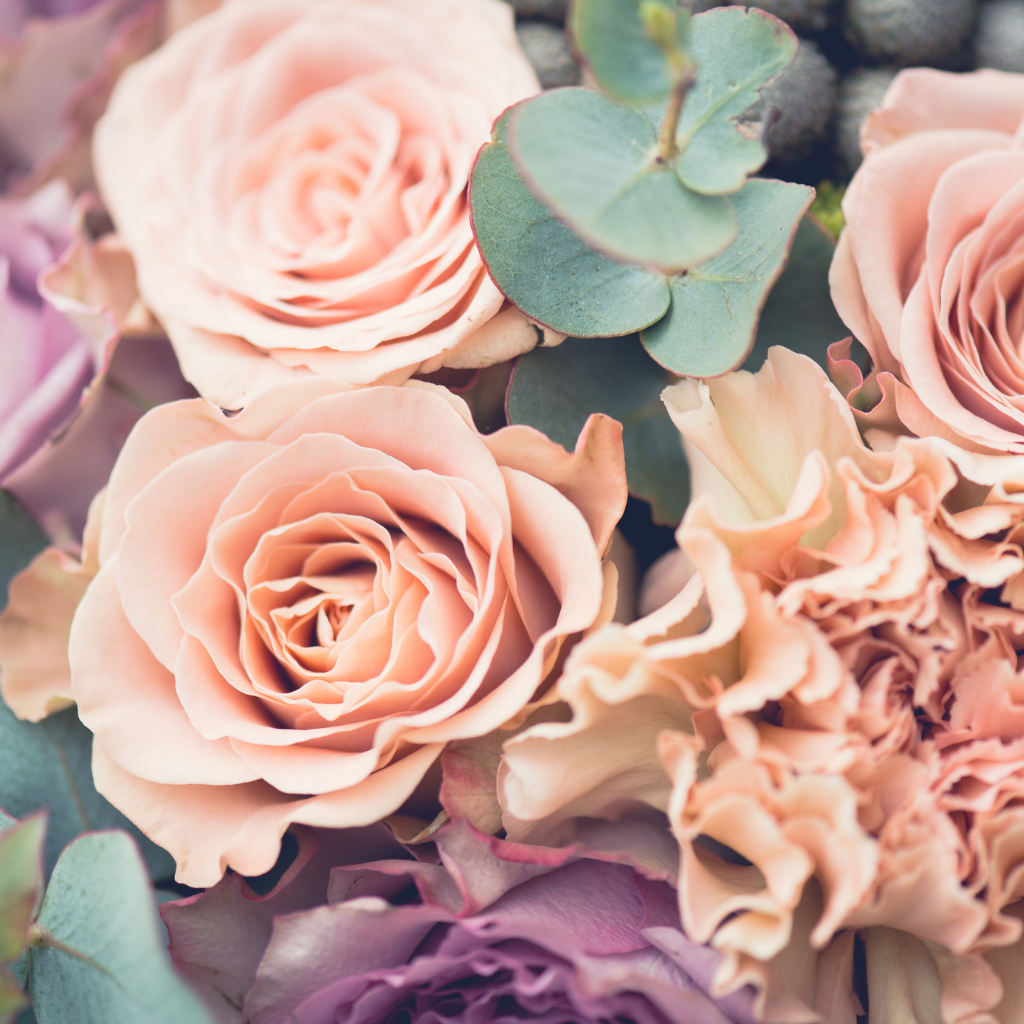
Garden Roses: Premium garden rose varieties (David Austin, Juliet, Patience) provide lush, multi-petaled blooms remarkably similar to peonies. While expensive, garden roses typically cost less than peonies, offer year-round availability, and withstand Singapore's climate better than imported peonies. Colors range from soft pastels to vibrant hues matching most wedding palettes. Garden roses work beautifully in romantic arrangements, bridal bouquets, and luxury events where peony aesthetics matter more than specific flower type. Our premium roses collection features garden rose varieties.
Ranunculus: These Persian buttercups offer layered petals creating peony-like fullness at fraction of costs. Available in vibrant colors from soft pastels to bold jewel tones, ranunculus provide romantic elegance suitable for weddings and celebrations. Their smaller size compared to peonies suits delicate arrangements, while grouping multiple stems creates impressive visual impact. Ranunculus availability peaks during cooler months (December-March) when peonies prove most challenging, offering strategic seasonal alternatives.
Lisianthus: Sometimes called "poor man's roses" but offering sophisticated ruffled blooms in various colors. Lisianthus work beautifully in mixed arrangements adding texture and romance. While lacking peonies' full lushness, they provide elegant substitutes at accessible pricing. Their durability in Singapore's climate surpasses imported peonies, ensuring arrangements maintain beauty throughout tropical events without wilting concerns.
Orchids (Premium Varieties): Singapore's national flower offers luxury positioning, long-lasting beauty, and tropical climate suitability unavailable with peonies. Phalaenopsis in soft pinks or whites provide elegant sophistication for weddings and events. While aesthetically different from peonies, orchids' refined beauty and practical advantages make them worthy considerations. Combining orchids with roses or other flowers creates lush romantic arrangements celebrating Singapore's horticultural strengths rather than fighting tropical environment importing temperate blooms.
Mixed Luxury Arrangements: Rather than pure peony bouquets, consider mixed arrangements incorporating limited peonies as focal statement flowers supplemented with complementary blooms. This approach maximizes peony impact while managing costs and extending availability windows. Five spectacular peonies surrounded by premium garden roses, ranunculus, and textured greenery creates stunning presentations at fraction of pure peony arrangement costs while ensuring adequate flower volume for impressive bouquets.
Ordering Peonies in Singapore: Advance Planning Requirements
Successfully sourcing peonies in Singapore demands considerably more advance planning than ordering readily available local flowers. Understanding lead times, deposit requirements, and communication protocols ensures peony orders meet expectations without last-minute disappointments.
Peak Season Timeline (April-June Events): Order peonies 4-6 weeks minimum before needed dates, ideally 8-12 weeks for wedding or major events. Early ordering allows florists to source specific varieties, coordinate importation timing, and plan arrangements comprehensively. Popular wedding dates during peak season create concentrated demand - book even earlier for May-June Saturday weddings when multiple couples compete for limited peony supplies. Deposits typically required securing advance orders reflecting florists' upfront importation investments.
Off-Season Requirements: Events outside April-June requiring peonies need 8-12 weeks minimum advance notice, potentially longer for specific rare varieties. Florists must identify specialized suppliers, coordinate international shipping during unfavorable seasons, and manage multiple contingencies. Off-season orders often require substantial non-refundable deposits reflecting extraordinary sourcing efforts and risks. Even with advance planning, florists may ultimately be unable to source acceptable quality peonies, requiring backup flower plans discussed upfront.
Variety Flexibility: Specify desired peony colors and general aesthetic preferences but maintain variety flexibility unless willing to pay premiums for exact cultivars. "Soft pink peonies" gives florists sourcing flexibility, while "specifically Sarah Bernhardt, no substitutes" severely limits options and increases costs. Trust reputable florists' expertise selecting best available varieties meeting color/style requirements within seasonal constraints. Micromanaging specific cultivars rarely benefits unless you're true peony connoisseur distinguishing subtle variety differences.
Deposit and Payment Structures: Expect 50-70% deposits for peony orders reflecting florists' advance purchase requirements and importation risks. Final balances due 1-2 weeks before delivery dates. Cancellation policies typically stricter for peony orders than standard flowers - deposits may be non-refundable or partially refundable reflecting unrecoverable import costs. Read contracts carefully understanding financial commitments before ordering. Reputable florists communicate policies transparently upfront preventing misunderstandings.
Backup Plans: Discuss alternative scenarios if peony sourcing fails - shipment delays, quality issues upon arrival, or complete unavailability despite advance planning. Establish acceptable substitutes upfront ensuring alignment on backup options. Some couples designate peony alternatives matching aesthetics and budget, providing stress-free contingency plans if tropical typhoons, flight cancellations, or other unforeseen circumstances disrupt peony supplies. Singapore's unpredictable tropical weather occasionally impacts delicate flower importation despite best planning.
Caring for Peonies in Singapore's Tropical Climate

Once secured, peonies require meticulous care in Singapore's challenging tropical environment. Proper handling extends their limited vase life while maintaining bloom beauty throughout events despite heat and humidity naturally antagonistic to these temperate flowers.
Initial Processing: Upon receiving peonies, immediately unwrap and trim stems at 45-degree angles under cool running water, removing 2-3cm. Strip all foliage below waterline preventing bacterial growth. Use clean vases with fresh cool water and provided flower food. Peonies often arrive in tight bud stage for shipping durability - they'll open over 1-3 days with proper care. Place in coolest available room (ideally below 20°C) away from direct sunlight, heat sources, or strong air conditioning vents.
Temperature Management: Peonies thrive in cool conditions completely opposite Singapore's tropical heat. Air-conditioned spaces prove essential - avoid placing peonies in non-air-conditioned areas even briefly. Ideal temperatures 15-18°C rarely achievable in Singapore homes, so aim for coolest spaces available (typically 20-24°C air-conditioned rooms). For event flowers, coordinate with venues ensuring adequate cooling wherever peonies display. Consider refrigeration between setup and event start times for outdoor or marginally cooled venues.
Hydration Strategies: Change water daily, re-cutting stems each time. Peonies drink heavily, especially as blooms open - check water levels twice daily. Add ice cubes to vases during Singapore's hottest afternoon hours providing cooling relief. Mist unopened buds lightly encouraging opening, but avoid misting fully opened blooms as moisture promotes petal browning. For bridal bouquets, use water tubes or floral foam keeping stems hydrated during tropical outdoor photography sessions.
Bloom Management: Peonies arrive in tight bud stage requiring 1-3 days opening. For events with fixed dates, coordinate delivery timing ensuring blooms reach desired openness stage exactly when needed. Too early risks over-opened wilting blooms; too late means buds fail opening adequately. Experienced florists manage timing based on current conditions and variety-specific opening rates. Trust professional judgment on delivery schedules rather than demanding premature deliveries risking inadequate bloom development.
Realistic Longevity: In Singapore's tropical conditions with best possible care, peonies last 4-7 days maximum, sometimes less if arriving compromised or during extreme heat. This limited vase life, far shorter than orchids or even roses, reflects fundamental incompatibility between temperate flowers and tropical environment. Plan peony purchases for specific events rather than long-term enjoyment. Their ephemeral beauty becomes part of their luxury appeal - fleeting spectacular moments rather than enduring décor.
Peonies for Singapore Weddings: Planning Considerations

Weddings represent primary peony demand in Singapore market, with brides captivated by these romantic blooms despite challenges and costs. Strategic wedding planning around peony availability maximizes success while managing expectations about tropical environment realities.
Ideal Wedding Timing: Schedule weddings during April-June if peonies remain non-negotiable. This timing provides best availability, quality, pricing, and florist confidence about sourcing. May and early June particularly suit Singapore weddings - post-monsoon season weather, school holiday periods, and peak peony season align perfectly. Saturday weddings during these months book quickly - reserve venues early then coordinate florists knowing wedding date falls during optimal peony window.
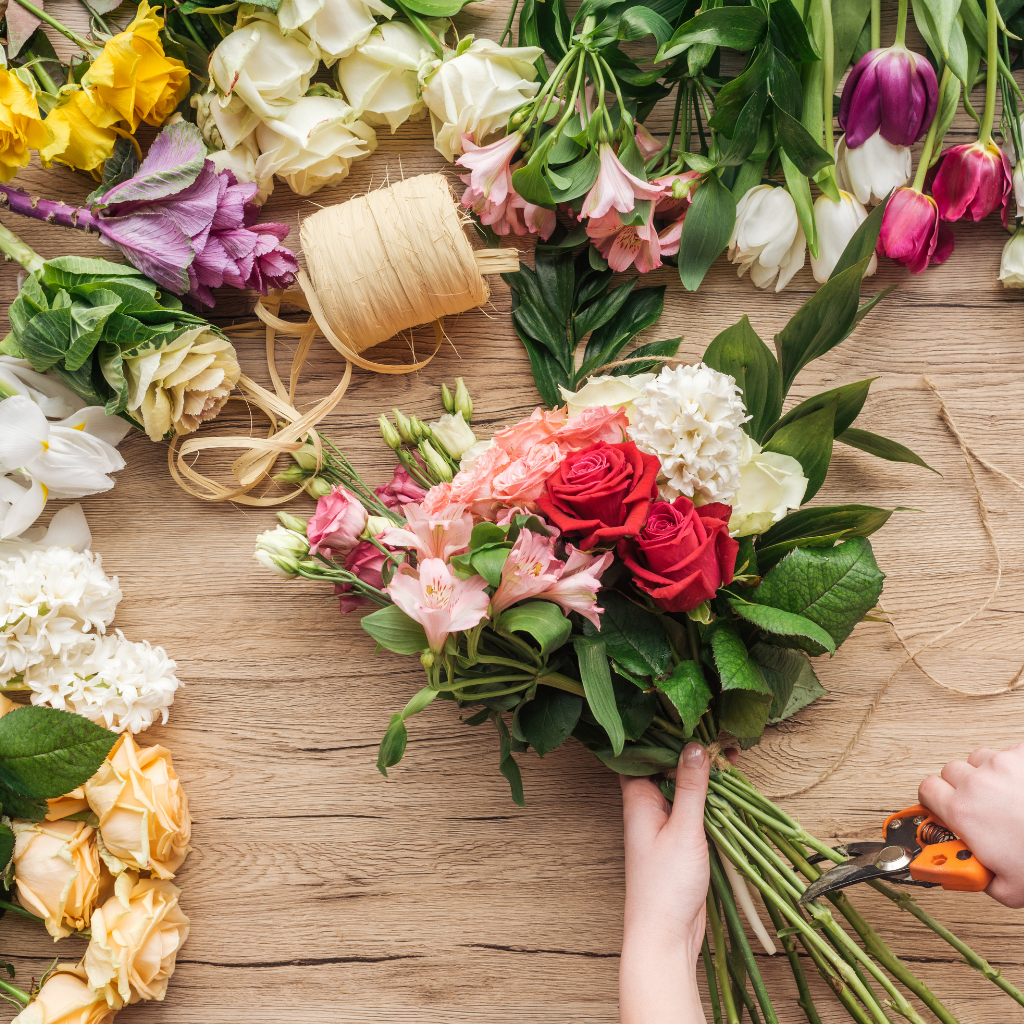
Bridal Bouquet Focus: Rather than comprehensive peony décor throughout wedding, concentrate premium blooms where most impactful - bridal bouquet, bridesmaids' bouquets, and perhaps ceremony altar arrangements. Supplement with complementary flowers (roses, ranunculus, greenery) for reception centerpieces and additional décor. This strategic allocation maximizes peony presence in crucial elements (appearing in 90% of wedding photos) while managing costs and availability concerns. Our bridal collection offers comprehensive wedding flower planning.
Ceremony vs. Reception Timing: For church or outdoor ceremonies during hot Singapore days, consider using peony alternatives for ceremony décor exposed to heat, reserving precious peonies for air-conditioned reception venues ensuring bloom preservation. Alternatively, plan ceremony timing during cooler morning hours (before 11 AM) when peonies tolerate outdoor exposure better than midday heat. Evening ceremonies and indoor venues provide ideal conditions for peony success.
Photography Planning: Schedule wedding photography sessions in air-conditioned spaces or during coolest times (early morning, late afternoon) maximizing peony appearance in photos. Assign responsible bridesmaid managing bridal bouquet care between photo sessions - never leave peonies in direct tropical sun or hot cars even briefly. Professional photographers familiar with Singapore weddings understand tropical flower challenges and plan efficient sessions minimizing heat exposure.
Backup Planning: Despite best intentions, peony availability sometimes fails. Discuss comprehensive backup plans with florists establishing acceptable alternatives if peonies prove unobtainable or arrive unacceptable quality. Having pre-agreed substitutes prevents wedding-week panic and ensures beautiful flowers regardless of peony success. Many Singapore brides designate garden roses as primary backup, maintaining romantic aesthetic while accommodating tropical realities.
Cultural Symbolism and Meaning of Peonies
Understanding peonies' symbolic meanings across cultures enriches appreciation for these flowers beyond mere aesthetic beauty, informing appropriate usage for various occasions and recipients throughout Singapore's multicultural society.
Chinese Cultural Significance: Peonies (牡丹 - mǔdān) hold exalted status in Chinese culture as "King of Flowers," symbolizing prosperity, honor, romance, and feminine beauty. Historically associated with royalty and nobility, peonies appear extensively in Chinese art, poetry, and celebrations. Chinese Singaporean families appreciate peonies' auspicious meanings for weddings (marital happiness), anniversaries (enduring love), and prosperity wishes. However, peonies' seasonality and expense mean they don't dominate Chinese New Year décor despite auspicious symbolism - more accessible alternatives serve practical festive needs.
Western Romantic Traditions: In Western culture, peonies symbolize romance, bashfulness, prosperity, and good fortune. Their lush full blooms epitomize romantic love making them perennial wedding favorites. Victorian flower language assigned peonies meanings including happy life, happy marriage, and bashfulness - all appropriate wedding sentiments. Western-influenced Singapore couples embrace these romantic associations, particularly brides inspired by European and American wedding aesthetics featuring extensive peony usage.
Japanese Aesthetic Appreciation: Japanese culture values peonies (牡丹 - botan) for bravery, honor, and masculine nobility despite their romantic appearance. Peonies appear in traditional Japanese art, textiles, and gardens representing strength and good fortune. This cultural perspective adds complexity to peony symbolism - simultaneously romantic and strong, feminine and noble. Japanese Singaporeans and those appreciating Japanese aesthetic traditions find peonies particularly meaningful flowers transcending simple romantic categorization.
Modern Universal Appeal: Beyond specific cultural symbolism, contemporary global flower culture views peonies as ultimate luxury blooms representing special occasions, significant investments, and refined taste. Their scarcity, beauty, and expense create universal luxury positioning transcending specific cultural meanings. Singapore's multicultural society embraces peonies across ethnic backgrounds when budgets and availability permit, with aesthetic appeal and luxury status driving demand more than specific traditional symbolism.
Sustainable and Ethical Peony Sourcing Considerations
As environmental awareness grows, Singapore consumers increasingly consider sustainability and ethics behind flower purchases. Peonies present particular challenges due to international supply chains, but conscious choices minimize environmental impact while supporting responsible floriculture.
Carbon Footprint Reality: Importing peonies to Singapore from Netherlands, United States, or New Zealand involves significant air freight carbon emissions. Each peony stem carries environmental costs from cultivation through tropical delivery. While individual purchases cause negligible impact, aggregate international flower trade contributes meaningfully to emissions. Environmentally conscious consumers might weigh peony environmental costs against aesthetic desires, potentially choosing seasonal times when transport distances minimize or selecting locally-thriving alternatives with lower carbon footprints.
Sustainable Growing Practices: Some peony producers employ organic cultivation, water conservation, and sustainable farm management. When possible, inquire about peony origins and grower practices. While Singapore consumers have limited direct sourcing control, supporting florists prioritizing sustainable suppliers encourages responsible industry practices. However, verifying international flower supply chain sustainability proves challenging - trust established florists' ethical sourcing commitments.
Longevity Value: Peonies' 4-7 day Singapore vase life means significant resources invested for brief enjoyment. Compare with potted orchids lasting months or dried flower arrangements maintaining indefinite beauty. From sustainability perspective, longer-lasting flowers provide better resource-to-enjoyment ratios. However, peonies' special occasion nature may justify environmental costs for once-in-lifetime events like weddings where memory creation outweighs strict sustainability calculations.
Alternative Consideration: For environmentally conscious Singaporeans wanting peony aesthetics sustainably, explore preserved peony arrangements, high-quality silk alternatives, or supporting local tropical flower industries providing beautiful sustainable options naturally suited to Singapore's climate. These choices reduce environmental impact while supporting sustainable practices. Browse our unique creations for creative sustainable alternatives.
Conclusion: Navigating Singapore's Luxury Peony Market
Peonies Singapore market presents unique challenges balancing desire for these spectacular blooms against tropical environment realities, seasonal constraints, and premium pricing reflecting importation complexities. Success requires strategic timing, advance planning, realistic expectations, and often substantial budgets willing to invest in luxury flowers delivering brief but spectacular beauty.
For Singapore couples planning April-June weddings, peonies remain achievable with proper planning and budget allocation. Off-season peony desires often prove better served through beautiful alternatives offering comparable aesthetics without fighting Singapore's tropical nature. Understanding peony seasonality, pricing structures, care requirements, and alternative options empowers informed decisions creating beautiful celebrations while managing practical realities.
Whether pursuing peonies for once-in-lifetime weddings or exploring alternatives better suited to Singapore's climate, prioritize working with experienced florists understanding tropical flower logistics. For peony availability during peak season or expert guidance on alternatives year-round, consult our arrangements collection where professional expertise meets Singapore market realities, creating spectacular floral celebrations matching visions within practical constraints.
Frequently Asked Questions (FAQ)
Q1: When are peonies available in Singapore?
A: Peonies are most readily available in Singapore during peak global season (April-June) when Northern hemisphere growing regions (Netherlands, France, United States, New Zealand) harvest crops. During these months, Singapore receives best quality, widest variety selection, and relatively moderate pricing (though peonies remain premium flowers year-round). Shoulder season (March, July) offers limited availability with reduced variety and elevated pricing. Off-season (August-February) sees extremely scarce availability, prohibitive costs, and compromised quality. For best peony experience, plan April-June events or weddings when these spectacular blooms arrive at their finest. Valentine's Day (February) represents worst possible timing for peonies despite romantic associations.
Q2: How much do peonies cost in Singapore?
A: Peonies command premium pricing in Singapore due to importation requirements, seasonal constraints, and luxury positioning. During peak season (April-June), individual stems cost considerably more than roses or local flowers but remain accessible for special occasions. Bridal bouquets featuring 20-30 peonies represent substantial investments. Off-season peonies cost dramatically more - sometimes double or triple peak season rates - due to extreme scarcity and specialized sourcing. Pricing varies by specific variety with common types (Sarah Bernhardt) costing less than rare varieties (Coral Charm, specialty imports). For most Singapore consumers, peonies suit once-in-lifetime occasions like weddings during peak season rather than recurring purchases or off-season events where alternatives provide better value.
Q3: Can I grow peonies in Singapore?
A: Growing peonies in Singapore proves extremely challenging bordering on impossible due to fundamental climate incompatibility. Peonies require cold winter dormancy periods (below 7°C for extended periods) essential to their growth cycle - conditions completely absent in Singapore's year-round tropical warmth. They evolved for temperate climates with distinct seasons, requiring cooling periods Singapore's consistent 24-32°C temperatures never provide. Even with air conditioning, recreating necessary dormancy conditions while maintaining appropriate growing environments proves impractical for home gardeners. Additionally, peonies prefer well-drained soil and moderate humidity, contrary to Singapore's heavy rainfall and high humidity. Singapore gardeners better serve their efforts growing tropical beauties naturally thriving locally (orchids, hibiscus, heliconias) rather than fighting nature attempting impossible temperate cultivation.
Q4: What are good alternatives to peonies in Singapore?
A: Several alternatives provide comparable romantic aesthetics or practical advantages: Garden roses (David Austin, Juliet varieties) offer lush multi-petaled blooms remarkably similar to peonies with year-round availability and better tropical durability. Ranunculus provide layered petals creating peony-like fullness at fraction of costs, available during cooler months. Lisianthus offer ruffled romantic blooms in various colors with excellent Singapore climate tolerance. Premium orchids deliver luxury positioning and long-lasting beauty suited to tropical environment. Mixed arrangements incorporating multiple flower types create lush romantic presentations without depending solely on challenging imported peonies. These alternatives often prove more practical and economical for Singapore's tropical environment while achieving desired aesthetic results. Our florists expertly combine alternatives creating spectacular presentations when peonies prove unavailable or impractical.
Q5: How far in advance should I order peonies in Singapore?
A: For peak season (April-June) events, order peonies 4-6 weeks minimum, ideally 8-12 weeks for weddings or major occasions. Popular wedding dates create concentrated demand requiring even earlier booking. Off-season events need 8-12 weeks minimum advance notice, potentially longer for specific varieties, with substantial non-refundable deposits reflecting extraordinary sourcing efforts. Always discuss backup plans given peonies' availability unpredictability. Singapore's tropical weather occasionally impacts delicate flower importation despite best planning. Early communication with reputable florists allows adequate sourcing time, variety flexibility, and contingency planning ensuring beautiful flowers regardless of peony-specific success. Last-minute peony orders (under 4 weeks) rarely succeed and when possible, command premium rush fees with severely limited variety options.
Q6: How long do peonies last in Singapore's tropical climate?
A: In Singapore's tropical conditions with optimal care, peonies last 4-7 days maximum, sometimes less if arriving compromised or during extreme heat. This limited vase life, far shorter than orchids (2-3 weeks) or even roses (7-10 days), reflects fundamental incompatibility between temperate flowers and tropical environment. Best care practices include cool air-conditioned placement, daily water changes with re-cutting stems, avoiding direct sunlight or heat sources, and ice cube additions during hottest hours. Despite meticulous care, peonies' ephemeral tropical longevity becomes part of their luxury appeal - fleeting spectacular beauty for special events rather than enduring décor. Plan peony purchases specifically for events or occasions rather than expecting extended home enjoyment.
Q7: Are peonies appropriate for Chinese weddings in Singapore?
A: Yes, peonies hold exalted status in Chinese culture as "King of Flowers" (牡丹), symbolizing prosperity, honor, romance, and marital happiness. Historically associated with royalty and nobility, peonies carry extremely auspicious meanings for Chinese weddings. However, their seasonality creates timing challenges - traditional Chinese auspicious wedding dates may fall outside April-June peony peak season, requiring substantial budgets for off-season procurement or acceptance of beautiful alternatives. Many modern Chinese Singaporean couples prioritize peony aesthetics for weddings, working with florists to source during available periods or incorporating limited peonies as focal flowers supplemented with complementary blooms. The flowers' cultural significance combined with spectacular beauty make them highly desirable for Chinese weddings when timing and budget align appropriately.
Q8: Can I order specific peony varieties in Singapore?
A: Specific variety availability depends on seasonal timing, supplier sources, and advance planning. During peak season, common varieties (Sarah Bernhardt pink, Duchesse de Nemours white) prove relatively accessible with adequate notice. Specialty varieties (Coral Charm, Bowl of Beauty, rare colors) require longer lead times and may be unavailable despite advance orders. Off-season specific varieties become nearly impossible to guarantee. When ordering, specify desired colors and general aesthetic but maintain variety flexibility unless willing to pay substantial premiums for exact cultivars. Trust experienced florists selecting best available varieties meeting requirements within seasonal and budget constraints. Micromanaging specific cultivars rarely benefits unless you're true peony connoisseur. Most Singapore consumers achieve desired results through color/style specifications allowing florist sourcing flexibility.
Q9: Why are peonies so expensive in Singapore?
A: Multiple factors create peony premium pricing: International importation from temperate regions (Netherlands, United States, New Zealand) involves air freight costs maintaining cold chain logistics. Peonies' delicate nature requires careful handling with higher loss rates than hardy flowers. Seasonal constraints create supply-demand imbalances, particularly off-season when limited sources command extraordinary premiums. Their luxury positioning reflects scarcity, beauty, and cultural desirability beyond basic cost structures. Each supply chain step - growing, harvesting, international shipping, customs, distribution - adds costs while risking quality degradation. Unlike locally-grown orchids or roses with minimal supply chains, peonies bear full international luxury flower importation expenses. Their brief tropical vase life means substantial resources invested for fleeting enjoyment, further justifying premium positioning for special occasions.
Q10: Should I choose peonies or garden roses for my Singapore wedding?
A: This decision depends on timing, budget, and priorities. Choose peonies if: wedding dates during April-June peak season, budget accommodates premium flowers, authentic peonies remain non-negotiable despite challenges, and you're working with experienced florists confident sourcing quality blooms. Choose garden roses if: wedding dates outside optimal peony season, budget constraints exist, tropical climate durability matters, year-round availability provides flexibility, or you're equally satisfied with similar romantic aesthetics at better value. Many Singapore brides select mixed approaches - limited peonies for bridal bouquet supplemented with garden roses for remaining décor, maximizing peony impact while managing costs and availability. Consult reputable florists who'll honestly assess peony feasibility for your specific circumstances rather than promising anything regardless of practical realities.


