



Seasonal Flowers Singapore: Year-Round Guide to Tropical and Imported Blooms 2026

Seasonal flowers Singapore presents unique dynamics in this tropical island where traditional four-season cycles don't exist, yet flower availability, pricing, quality, and appropriateness still vary dramatically throughout the year based on international import schedules, regional growing seasons, local weather patterns, and cultural calendar events creating predictable demand spikes. Understanding Singapore's distinctive seasonal flower landscape—where year-round tropical heat enables constant availability of certain varieties while making others impossible to grow locally, where monsoon patterns affect outdoor celebrations and flower logistics, and where cultural festivals create massive demand surges for specific colors and varieties—helps consumers make informed purchasing decisions, plan events around optimal availability windows, and appreciate the complex global supply chains delivering European spring blooms to equatorial Singapore.
Singapore's position one degree north of the equator eliminates traditional seasons, yet the city experiences two monsoon periods, Chinese lunar calendar cycles, and internationally-driven availability patterns creating de facto seasonal rhythms affecting which flowers prove most accessible, affordable, and appropriate during specific months. Whether planning weddings around flower availability, timing celebrations for optimal variety selection, understanding why certain flowers cost significantly more during particular periods, or simply appreciating seasonal beauty cycles within tropical contexts, our seasonal arrangements collection showcases blooms optimized for specific annual periods, helping Singapore consumers navigate the intersection of tropical constancy and imported seasonal variety.
Singapore's Tropical Climate and Year-Round Flower Availability
| Month Period | Weather Characteristics | Peak Availability Flowers | Cultural Events Affecting Demand |
|---|---|---|---|
| January - February | Dry Northeast Monsoon transition, comfortable temperatures (24-30°C), lower humidity | CNY auspicious varieties, tulips beginning, imported spring blooms, premium roses | Chinese New Year (late Jan/early Feb), Valentine's Day surge |
| March - April | Inter-monsoon period, increasing heat and humidity, occasional thunderstorms | Tulips peak, peonies arriving, spring varieties (ranunculus), Easter flowers | International Women's Day, Easter celebrations, school holidays |
| May - June | Southwest Monsoon begins, hot and humid (26-32°C), afternoon thunderstorms common | Peonies peak, sunflowers abundant, summer varieties, Mother's/Father's Day selections | Mother's Day (2nd Sunday May), Father's Day (3rd Sunday June), mid-year weddings |
| July - August | Southwest Monsoon peak, consistent heat, regular rainfall, National Day period | Tropical varieties thrive, sunflowers continue, dahlias, gladiolus, summer arrangements | National Day (August 9th), school holidays, Hari Raya (variable dates) |
| September - October | Inter-monsoon transition, variable weather, "haze season" potential from regional fires | Autumn colors arriving, chrysanthemums, imported fall varieties, Teachers' Day blooms | Teachers' Day (1st Friday Sept), Mid-Autumn Festival, Deepavali preparations |
| November - December | Northeast Monsoon begins, cooler and wetter (23-30°C), year-end festivities | Christmas flowers, festive reds/whites/greens, amaryllis, winter imports, poinsettias | Deepavali, Christmas season, year-end celebrations, corporate events, New Year |
Understanding Tropical vs. Imported Seasonal Flowers

Singapore's flower market divides into year-round tropical varieties thriving in constant heat and imported temperate flowers requiring cooler climates, creating two-tier availability systems where some blooms prove consistently accessible while others appear only during specific international growing seasons.
Year-round tropical varieties include orchids (Singapore's national flower and regional specialty), anthuriums, heliconias, birds of paradise, tropical foliage, and certain roses cultivated in Southeast Asian highlands offering year-round mild temperatures. These flowers benefit from Singapore's consistent warmth, requiring no seasonal timing considerations and maintaining relatively stable pricing throughout years. Tropical orchids particularly exemplify this category—phalaenopsis, dendrobium, and cymbidium varieties bloom continuously in Singapore's climate, making them reliable choices for any season. Local and regional sourcing means these varieties face minimal import logistics, price volatility, or availability uncertainty. Our orchids collection showcases year-round tropical options.
Imported temperate flowers require cool-season growing conditions impossible in tropical Singapore, arriving via airfreight from specialized international suppliers during specific Northern or Southern Hemisphere seasons. Peonies, tulips, sweet peas, certain premium roses (Ecuadorian, Colombian), ranunculus, and seasonal specialty varieties all require imports from regions experiencing appropriate growing conditions during different annual periods. These flowers carry higher costs (international shipping, refrigeration, import duties), face availability limitations (only during source region growing seasons), and prove more environmentally impactful (air miles, refrigeration energy) than tropical alternatives. However, their beauty, cultural significance, and symbolic associations make them worth seasonal availability navigation and premium investment for consumers seeking specific aesthetics or traditional flower symbolism.
Regional Southeast Asian flowers occupy middle ground—neither purely tropical year-round varieties nor distant international imports. Thailand, Malaysia, and Indonesia provide flowers like chrysanthemums, carnations, gerberas, and certain roses grown at regional highland elevations offering cooler microclimates supporting broader variety cultivation. These regional flowers prove more affordable than distant international imports while offering greater variety than purely Singapore-local tropical options. Understanding this three-tier system (local tropical, regional Southeast Asian, international temperate imports) helps consumers make informed choices balancing aesthetics, budgets, environmental impact, and practical availability.
Climate change impacts seasonal patterns increasingly unpredictably. Traditional seasonal availability windows sometimes shift as global weather patterns change, growing regions experience unusual conditions, and supply chains face climate-related disruptions. Florists must adapt dynamically to evolving availability, while consumers benefit from flexibility around specific variety requirements when planning events dependent on particular flower types. Building contingency options (alternative varieties providing similar aesthetics if preferred flowers become unavailable) prevents disappointment when climate variability disrupts traditional supply patterns.
Peak Peony Season: April-June Luxury Bloom Window

- Peony Availability Timeline: Peonies represent Singapore's most celebrated seasonal import, arriving primarily from Northern Hemisphere growers (Alaska, Netherlands, New Zealand) during their spring seasons corresponding to Singapore's April-June period. Peak availability occurs May when multiple source regions harvest simultaneously, creating optimal selection and relatively competitive pricing within peonies' premium category. Early season (late April) and late season (early June) see reduced selection and potentially elevated pricing as supply becomes limited. Southern Hemisphere sources sometimes provide secondary availability November-December, though quantities remain minimal and prices significantly higher than primary season. For events requiring peonies, scheduling during May optimization window proves most practical. Our peonies collection showcases seasonal availability.
- Wedding Planning Around Peony Season: Brides desiring peony-dominated wedding floristry must schedule ceremonies during April-June windows or accept alternative flowers. This seasonal constraint influences Singapore wedding timing significantly—couples prioritizing peonies over specific dates schedule weddings during availability windows, while couples with fixed date commitments must accept alternative flowers if timing falls outside peony season. Understanding this trade-off early in planning prevents disappointment or expensive last-minute compromises. Some florists can source off-season peonies at extraordinary expense through specialized international networks, but reliability and quality prove uncertain compared to peak season availability.
- Peony Care in Tropical Heat: Peonies struggle significantly in Singapore's heat, requiring exceptional care for even modest vase life (5-7 days versus 10-14 days possible in temperate climates). Peak season peonies arriving during May still face Singapore's increasing heat and humidity as Southwest Monsoon establishes, demanding careful conditioning, consistent air conditioning, and realistic expectations about longevity. For outdoor events during peony season, these delicate blooms prove particularly challenging—consider limiting peony use to indoor air-conditioned spaces (ceremony venues, reception halls) while using hardier varieties for outdoor elements exposed to tropical heat.
- Budget Implications of Seasonal Peonies: Even during peak season, peonies command premium pricing reflecting import logistics, specialized growing, and high demand competing for limited supply. Singapore's wealthy market sustains peony demand despite high costs, but budget-conscious consumers should understand that peony-dominated designs represent substantial investments. Mixing peonies strategically with less expensive complementary flowers (roses, ranunculus, supporting foliage) extends budgets while maintaining peony presence. Alternatively, reserve peonies for highest-visibility elements (bridal bouquets, head tables) while using alternative flowers elsewhere to manage overall floral budgets during peony season events.
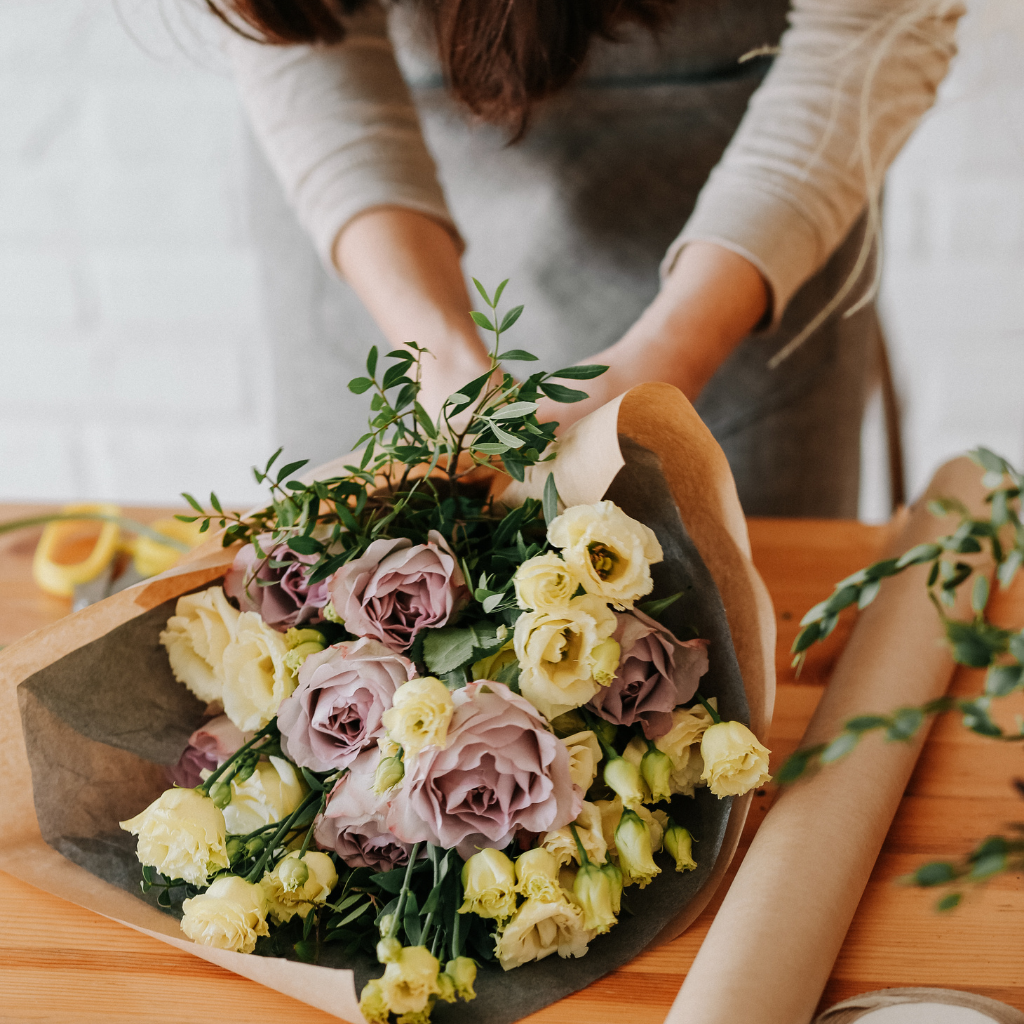
- Alternative Romantic Flowers Outside Peony Season: For events scheduled outside peony availability requiring similar romantic lush aesthetics, garden roses (available year-round through specialized suppliers) provide closest alternatives. David Austin roses offer comparable multi-petaled romantic appearances, excellent fragrance, and luxury positioning similar to peonies' market perception. Ranunculus during their season (December-April) provide layered petal aesthetics in smaller scale at more accessible price points. Understanding these alternatives prevents forcing off-season peony sourcing at unsustainable costs when comparable romantic flowers offer similar aesthetic results with better availability and value.
Tulip Season: December-April Spring Elegance

Tulips arrive in Singapore markets from late December through April, corresponding with Northern Hemisphere spring when major growing regions (Netherlands, Pacific Northwest USA, Turkey) harvest their signature spring blooms for international export markets including tropical Singapore.
Peak tulip availability occurs February-March when Northern spring fully establishes, multiple varieties remain available, and quality peaks as growing conditions optimize. Early season (late December-January) tulips arrive from forced greenhouse cultivation commanding premium prices for early market entry. Late season (late April) sees diminishing selection as most varieties sell through and growing seasons conclude, though remaining inventory sometimes offers value pricing as suppliers clear stock before season definitively ends.
Tulip care in tropical Singapore requires exceptional attention maintaining flowers in coolest possible conditions (18-22°C air conditioning ideal), starting arrangements in ice-cold water, and accepting relatively short vase life (5-8 days) compared to temperate climate longevity (10-14 days). Tulips famously continue growing in vases, sometimes adding significant stem length during their display period, requiring daily monitoring and occasional rearrangement as proportions change. This growth characteristic, while charming, complicates tropical care where accelerated metabolism from heat speeds all processes including growth and subsequent decline.
Wedding applications during tulip season allow elegant spring-themed celebrations in tropical Singapore, creating visual connections to international spring traditions despite equatorial location lacking actual seasonal spring. White tulips provide pristine ceremony elegance, pastels create romantic garden aesthetics, and jewel-tone tulips offer sophisticated modern palettes. However, tulip temperature sensitivity makes them challenging for outdoor tropical weddings—reserve tulips for indoor air-conditioned elements while using hardier flowers for outdoor components. Our tulips collection features seasonal spring varieties.
Cultural timing aligns favorably with tulip season—International Women's Day (March 8th) falls during peak tulip availability, and these elegant blooms prove popular feminine celebration choices. Easter (March-April variable) also coincides with tulip season, making them traditional Easter flower selections. Valentine's Day (February 14th) sits within tulip season though roses dominate that particular occasion. These cultural alignments create predictable demand patterns—savvy consumers planning tulip purchases during peak cultural moments should order advance to ensure availability amid elevated seasonal demand.
Monsoon Seasons and Weather Impact on Flowers
Singapore experiences two distinct monsoon periods creating weather patterns that significantly affect outdoor event planning, flower logistics, and variety performance despite year-round tropical temperatures remaining relatively constant.
Northeast Monsoon (November-March) brings cooler temperatures (23-30°C versus 26-32°C other periods), lower humidity, and drier conditions particularly during December-February. These relatively comfortable conditions prove ideal for outdoor weddings, garden events, and celebrations where guests spend extended time outside. Flowers also benefit from slightly cooler temperatures and lower humidity extending vase life marginally compared to hotter, more humid periods. December-February represents Singapore's most pleasant weather window, creating peak demand for outdoor venues and event floristry requiring advance booking for popular dates.
Southwest Monsoon (June-September) establishes Singapore's hot, humid, rainy season with regular afternoon thunderstorms, high humidity, and oppressive heat. Outdoor events during this period face significant weather risks—sudden intense rainfall can drench ceremonies, humidity wilts flowers rapidly, and heat creates guest discomfort. For events scheduled during Southwest Monsoon, prioritize covered venues with climate control, choose hardy flowers tolerating heat (orchids, tropical varieties, roses with proper conditioning), and build weather contingency plans (tent rentals, indoor backup spaces). Flowers transported or displayed outdoors during this period require careful timing and rapid setup to minimize heat exposure before events begin.
Inter-monsoon periods (April-May, October-November) feature transitional weather—variable patterns, occasional storms, unpredictable conditions making planning challenging. These periods see fewer outdoor events as weather reliability proves insufficient for confident planning. However, these inter-monsoon windows sometimes offer venue availability and pricing advantages as demand drops below peak season levels. For risk-tolerant couples or event planners, inter-monsoon periods provide opportunities with appropriate weather backup planning and flexible flower selections adapting to variable conditions.
Haze season (typically August-October, though timing varies) occurs when Indonesian agricultural fires create regional air quality problems affecting Singapore. While haze doesn't directly impact flowers, it affects outdoor event viability and guest comfort, potentially creating last-minute venue changes from outdoor to indoor spaces. Florists should maintain flexibility during haze-risk periods, with designs easily adaptable between outdoor and indoor contexts if weather or air quality forces venue changes. Browse our weather-resilient arrangements for tropical-appropriate designs.
Weather-Appropriate Flower Selection
Different weather conditions favor different flower varieties—understanding these preferences helps select flowers that thrive rather than struggle in Singapore's specific seasonal weather patterns.
For hot humid periods (Southwest Monsoon), choose orchids (evolved for tropical conditions), anthuriums (waxy heat-resistant flowers), birds of paradise (structural tropical varieties), and properly conditioned roses from highland Southeast Asian sources. Avoid delicate temperate flowers (peonies, sweet peas, tulips) that wilt rapidly in heat. For outdoor elements, favor hardy varieties requiring minimal water and tolerating brief heat exposure without immediate wilting.
For cooler dry periods (Northeast Monsoon), broader variety selection becomes viable as milder conditions support flowers that struggle during peak heat. Imported temperate varieties perform better during cooler months, and outdoor arrangements maintain beauty longer when temperatures moderate and humidity drops. This period allows more elaborate outdoor floral installations feasible only when weather cooperates with flower preservation needs.
For rainy periods, prioritize flowers in covered containers preventing water accumulation from rainfall—boxed arrangements, sealed vessels, or covered displays rather than open vases collecting rainwater that dilutes flower food and increases bacterial growth. Choose varieties whose appearances don't degrade from rain exposure—avoid paper-thin petals (poppies, certain roses) that bruise or discolor from water contact, instead selecting sturdy varieties (orchids, callas, tropical foliage) maintaining integrity despite moisture exposure.
Cultural Calendar and Seasonal Demand Patterns
Singapore's multicultural society creates predictable seasonal demand spikes around major cultural festivals, affecting flower availability, pricing, and variety selection as florists allocate inventory to serve massive holiday rushes.
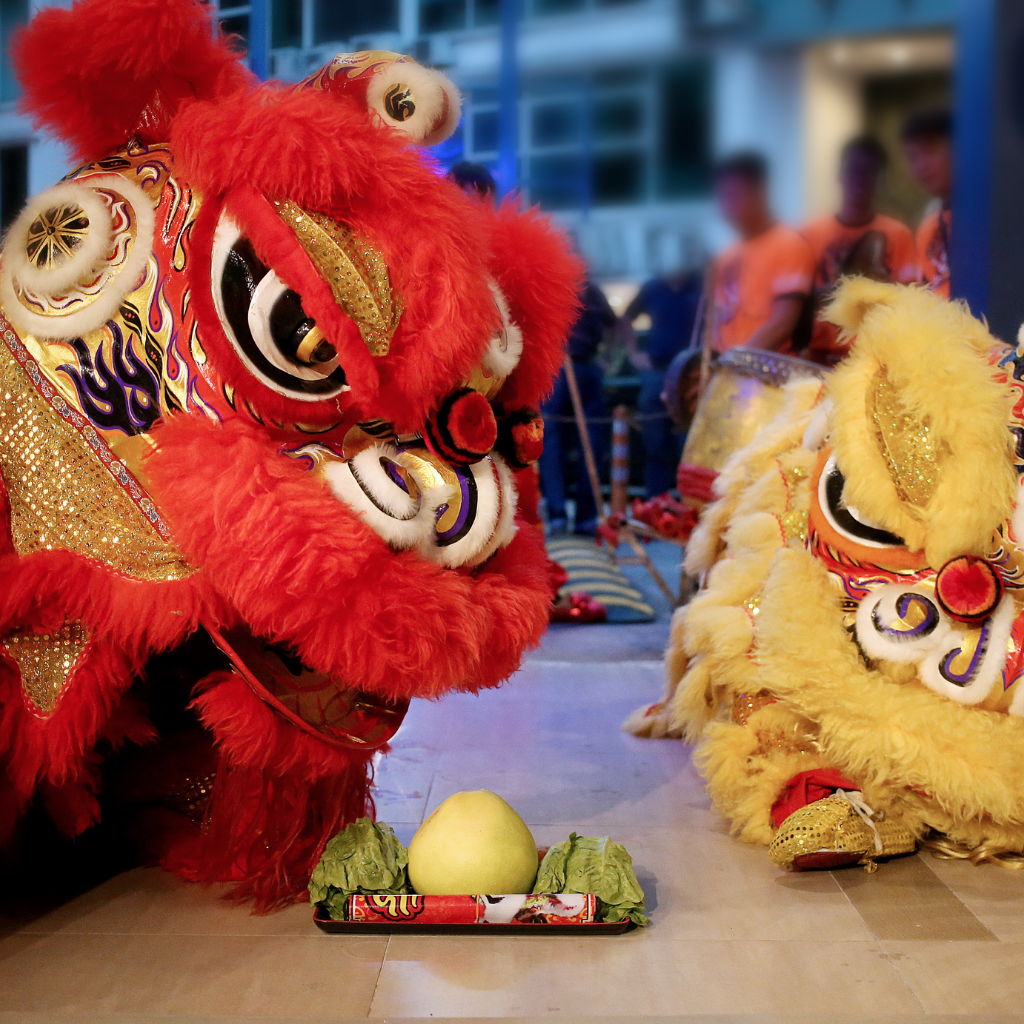
Chinese New Year (late January or February variable) creates Singapore's largest annual flower demand surge. Red and gold flowers symbolizing prosperity and good fortune become scarce as Chinese families and businesses purchase massive quantities for home decoration and business displays. Pussy willows, kumquat plants, orchids in auspicious colors, and any red-flowered varieties see elevated pricing and limited availability during CNY period. Consumers seeking flowers for non-CNY purposes during this window should order well in advance or accept limited selection as florists prioritize CNY-specific orders. Post-CNY (week after celebrations) often brings surplus inventory at reduced pricing as florists clear CNY stock. Our Chinese New Year collection features festival-appropriate varieties.
Valentine's Day (February 14th) drives global flower demand with roses dominating market share. Red rose prices spike dramatically in weeks preceding Valentine's as demand vastly exceeds supply despite growers planning elevated production. Consumers seeking roses for non-Valentine purposes during early-mid February face premium pricing and potential scarcity. Alternative flowers (orchids, tulips, mixed arrangements) provide better value during Valentine's period when rose pricing becomes unsustainable. Post-Valentine's (late February) brings surplus roses at reduced pricing as remaining Valentine's inventory clears.
Mother's Day (second Sunday of May) creates May demand spike for flowers traditionally associated with maternal appreciation—carnations, roses, mixed spring arrangements. This timing coincides with peak peony season, creating competition for peony inventory between Mother's Day consumers and wedding couples. Advance ordering becomes essential for securing desired varieties during Mother's Day week. Our Mother's Day collection offers seasonal appropriate options.
Christmas season (December) drives demand for festive red and white arrangements, poinsettias, amaryllis, and winter-themed flowers despite Singapore's tropical heat eliminating actual winter. This demand coincides with year-end corporate gifting, creating elevated pricing and potential scarcity for premium varieties. December represents busy season for florists managing holiday demand, corporate orders, and year-end celebrations simultaneously. Our Christmas collection features festive designs.
Understanding these demand cycles allows strategic planning—scheduling events during low-demand periods provides better value, broader selection, and easier florist availability. Conversely, events requiring specific varieties during peak demand periods need advance coordination, realistic budget expectations, and alternative contingencies if preferred flowers become unavailable during competitive demand windows.
Optimal Wedding Flower Seasons in Singapore
While Singapore weddings occur year-round, certain periods prove more advantageous for floral planning based on weather suitability, availability patterns, and demand-driven pricing variations affecting overall wedding floral investment.
January-March represents optimal wedding flower season combining comfortable Northeast Monsoon weather (ideal for outdoor ceremonies), peak tulip availability (February-March), approaching peony season (late March), and relatively moderate demand outside major holidays (avoiding CNY period). These months offer excellent weather reliability for outdoor weddings, broad flower variety selection, and manageable pricing before Mother's Day and peak summer demand escalation. December-February particularly suits garden weddings and outdoor celebrations where weather cooperation proves essential for successful execution.
April-June provides peak seasonal flower availability with peonies (Singapore's most desired luxury wedding flower) and continuing tulip season (April), plus spring variety options, but faces increasing heat as Southwest Monsoon establishes. Indoor air-conditioned weddings work perfectly during these months, while outdoor weddings become increasingly challenging as temperatures rise and humidity increases. Mother's Day (May) creates temporary demand spike affecting availability and pricing. This period suits couples prioritizing peony availability over weather considerations for outdoor elements.
July-September faces challenging Southwest Monsoon weather making outdoor weddings risky, though indoor weddings proceed normally. Tropical flowers thrive during these months, and availability remains consistent for year-round varieties, but imported temperate flowers prove limited and expensive. Reduced wedding demand during these less-desirable weather months sometimes creates better florist availability and potentially improved negotiation positioning for couples comfortable with weather uncertainties or planning indoor-only celebrations.
October-December brings transitional weather (October-November) then comfortable Northeast Monsoon return (December) along with holiday season complications. December proves particularly challenging for wedding planning as Christmas demand, corporate events, and year-end celebrations compete for florist attention and flower inventory. Couples seeking December weddings should book florists extremely early and accept premium holiday pricing. October-November offers better value during inter-monsoon periods though weather reliability remains uncertain requiring backup planning.
Year-Round Tropical Flower Advantages
While imported seasonal flowers attract considerable attention for their novelty and cultural associations, Singapore's year-round tropical varieties offer significant practical, environmental, and economic advantages deserving appreciation and consideration for various applications.
Orchids represent Singapore's signature tropical flower—the national flower, regionally abundant, culturally appropriate, and available year-round in extraordinary variety. Phalaenopsis, dendrobium, cymbidium, and vanda orchids provide elegant sophistication suitable for any occasion from weddings to corporate events to personal gifting without seasonal constraints. Orchids' exceptional longevity (potted orchids bloom 3-4 months, cut stems last 2-3 weeks) provides superior value despite premium per-stem pricing. Their exotic appearance creates luxury aesthetics rivaling any imported temperate flower while their tropical adaptation means they actually thrive in Singapore rather than struggling against unsuitable climate. Our year-round orchids collection showcases local tropical excellence.
Environmental sustainability favors tropical varieties requiring minimal transportation, refrigeration, or climate-controlled logistics compared to international imports. Local and regional orchids, anthuriums, and tropical foliage travel short distances with minimal environmental impact, while European tulips or peonies require intercontinental airfreight with significant carbon footprints. Environmentally conscious consumers prioritizing sustainability should favor tropical varieties supporting regional agriculture and minimizing climate impact through reduced transportation requirements.
Price stability accompanies year-round availability—tropical orchids and regional flowers maintain relatively consistent pricing throughout years rather than dramatic seasonal fluctuations affecting imported varieties. This predictability assists budget planning for regular flower consumers (weekly home arrangements, corporate contracts, frequent gifting) who benefit from stable expectations rather than volatile pricing requiring constant adaptation to supply variations.
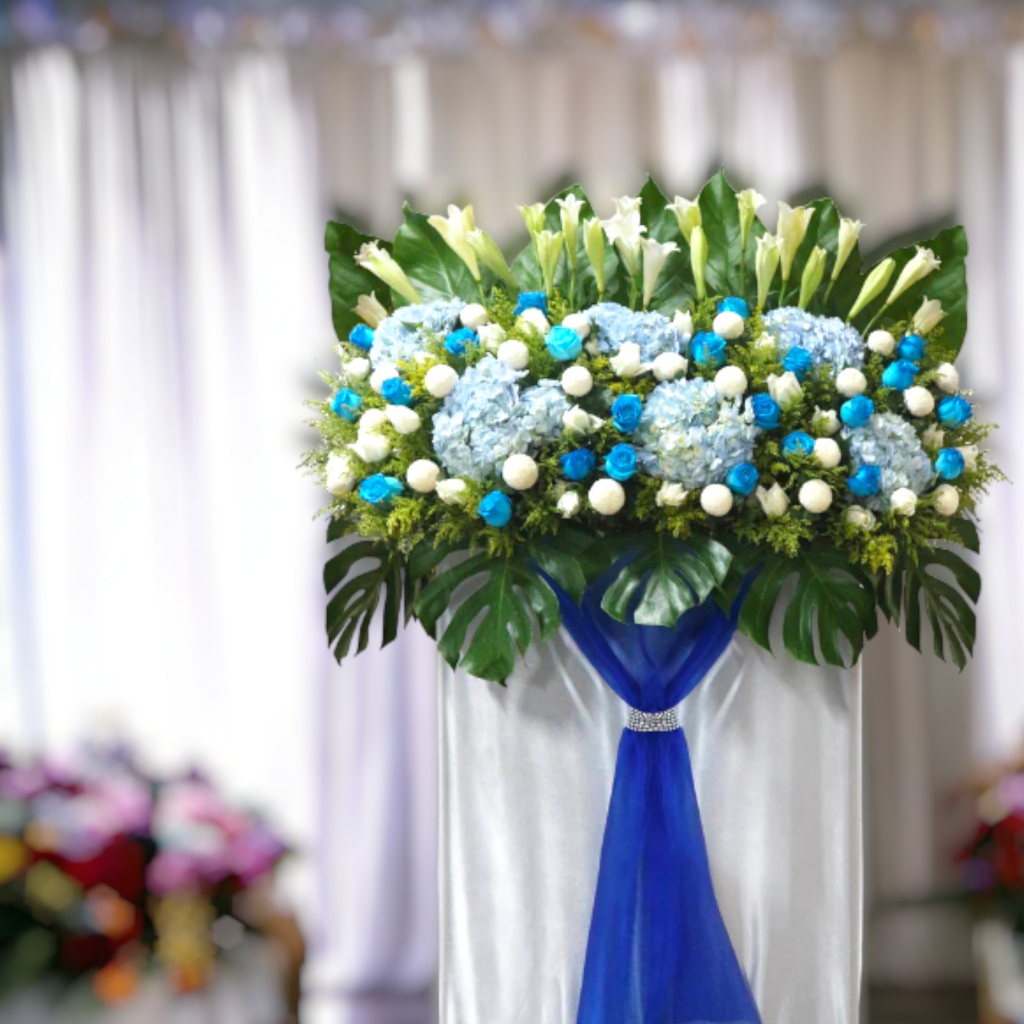
Cultural appropriateness makes tropical varieties safe choices across Singapore's diverse population. While some imported flowers carry specific cultural baggage (white flowers in Chinese funeral contexts, certain varieties in Islamic traditions), tropical orchids and regional varieties generally carry neutral or positive associations across cultures. This universal appropriateness reduces cultural navigation anxiety when selecting flowers for recipients whose specific cultural backgrounds and flower knowledge you don't fully understand.
Conclusion: Navigating Singapore's Unique Seasonal Flower Landscape
Seasonal flowers in Singapore create distinctive patterns blending tropical constancy with imported variety, year-round availability with periodic scarcity, stable pricing with dramatic spikes, and local abundance with international dependency. Understanding these complex dynamics—recognizing when peonies and tulips arrive, appreciating tropical varieties' year-round reliability, timing events around optimal availability and weather windows, anticipating cultural demand surges, and balancing imported novelty against tropical practicality—empowers Singapore consumers to make informed flower decisions maximizing beauty, value, and appropriateness while navigating the intersection of equatorial location and global flower markets.
The key to seasonal flower success lies in flexibility balanced with specific priorities—couples absolutely requiring peonies must schedule around their season, while those prioritizing weather reliability or budget optimization can select alternative flowers available during more favorable periods. By understanding availability cycles, weather patterns, cultural demand fluctuations, and the three-tier system of tropical year-round varieties, regional Southeast Asian options, and international temperate imports, Singaporeans can access global flower diversity despite tropical location theoretically limiting local cultivation possibilities. Explore our seasonal arrangements collection showcasing blooms optimized for specific periods, or contact us about planning event floristry around optimal seasonal windows for your preferred varieties and celebration timing.
Frequently Asked Questions (FAQ)
Q: What flowers are available year-round in Singapore?
A: Year-round tropical and regional varieties include orchids (phalaenopsis, dendrobium, cymbidium), anthuriums, birds of paradise, tropical foliage, and regionally-grown roses, carnations, chrysanthemums, and gerberas from Southeast Asian highland sources. These flowers maintain consistent availability and relatively stable pricing throughout years regardless of seasons. Singapore's tropical climate plus regional Southeast Asian sources ensure continuous supply of these varieties making them reliable choices for any timing. However, even year-round flowers see quality variations and price fluctuations during peak demand periods (Valentine's, Mother's Day, Christmas) as supply allocates toward high-demand varieties leaving less inventory for regular sales.
Q: When is the best season for peonies in Singapore?
A: Peonies are primarily available April-June with peak availability during May when multiple Northern Hemisphere growing regions (Alaska, Netherlands, New Zealand) harvest simultaneously. This creates optimal selection, quality, and relatively competitive pricing within peonies' premium category. Early season (late April) sees limited initial availability at elevated prices. Late season (early June) offers diminishing selection as inventory sells through. Secondary availability sometimes occurs November-December from Southern Hemisphere sources but quantities remain minimal and prices significantly higher than primary season. For events requiring peonies, scheduling during May proves most practical for best selection and value within their luxury pricing tier.
Q: How does Singapore's monsoon season affect wedding flowers?
A: Singapore's monsoon seasons significantly impact outdoor wedding floristry. Northeast Monsoon (November-March) brings cooler, drier weather ideal for outdoor celebrations—flowers last longer, guests feel comfortable, and weather reliability improves. This period represents peak outdoor wedding season. Southwest Monsoon (June-September) creates hot, humid, rainy conditions challenging outdoor events—flowers wilt faster, sudden storms threaten ceremonies, heat creates discomfort. Prioritize indoor air-conditioned venues and hardy tropical flowers during Southwest Monsoon. Inter-monsoon periods (April-May, October-November) feature unpredictable transitional weather requiring backup planning. For outdoor weddings, December-February provides most reliable conditions. Indoor weddings proceed normally year-round regardless of monsoon patterns.
Q: Why are tulips only available certain months in Singapore?
A: Tulips require cold winter periods (vernalization) and cool spring growing conditions impossible in Singapore's year-round tropical heat. All tulips are imported from temperate regions (Netherlands, Pacific Northwest USA, Turkey) during their spring seasons (December-April for Northern Hemisphere sources). Peak availability occurs February-March when spring fully establishes in growing regions. Outside these months, tulips simply aren't growing anywhere accessible to Singapore markets, making year-round availability impossible unlike tropical orchids that thrive continuously. This seasonal limitation affects anyone requiring tulips for specific dates—either schedule during their season or accept alternative flowers if timing falls outside December-April availability window.
Q: What months have the highest flower prices in Singapore?
A: Major price spikes occur during peak cultural demand periods: Chinese New Year (late January/February) for red/gold auspicious flowers; Valentine's Day (February 14th) for roses particularly red varieties; Mother's Day (second Sunday May) for maternal appreciation flowers; Christmas season (December) for festive arrangements. These holidays create massive demand surges where consumers compete for limited supply, driving prices upward sometimes 50-100% above normal rates. Additionally, premium imported varieties (peonies, tulips) carry elevated pricing during their limited seasons. For best value, purchase flowers during non-holiday periods, choose year-round tropical varieties over seasonal imports, and avoid peak demand windows when planning flexible-timing events or regular flower purchases.
Q: Are imported flowers better than local tropical varieties?
A: Not inherently—this depends on evaluation criteria. Imported temperate flowers (peonies, tulips) offer novelty, cultural associations, and aesthetics impossible with tropical varieties, but they cost more, have limited seasons, shorter tropical vase life, and significant environmental impact from international transportation. Local tropical varieties (orchids, anthuriums) provide year-round reliability, better value, superior longevity in Singapore climate, lower environmental impact, and excellent sophistication without seasonal constraints. "Better" depends on priorities—if you specifically want peony aesthetics for spring wedding or tulip elegance, imports prove necessary regardless of cost or logistics. If you prioritize value, longevity, sustainability, or year-round availability, tropical varieties often surpass imports. Both categories offer quality beauty serving different needs and preferences.
Q: How far in advance should I order seasonal flowers for weddings?
A: For major seasonal varieties (peonies, tulips), order minimum 2-3 months advance, ideally 4-6 months for large wedding quantities. Florists coordinate international sourcing requiring significant lead time ensuring availability during your specific dates. Peak demand periods (peony season May, Valentine's February, Christmas December) require even earlier booking—6+ months advance for popular dates as florists allocate limited seasonal inventory among competing clients. For year-round tropical varieties, 1-2 months notice generally suffices though peak wedding season dates (December-February) still benefit from early booking ensuring florist availability regardless of flower supply. Earlier booking also allows broader selection as popular florists fill calendars months ahead for desirable dates. Last-minute wedding flower orders (under 4 weeks) face limited florist availability and variety selection limitations.
Q: What are the best flowers for outdoor Singapore weddings?
A: For outdoor tropical weddings, prioritize hardy varieties tolerating heat and humidity: orchids (excellent heat tolerance, structural integrity), anthuriums (waxy heat-resistant flowers), birds of paradise (dramatic tropicals), calla lilies (sturdy form), and properly conditioned roses from highland sources. Avoid delicate temperate flowers (peonies, tulips, sweet peas) that wilt rapidly in tropical heat. Choose flowers in sealed water sources (foam-based rather than open vases) preventing rapid dehydration. Schedule outdoor weddings during cooler Northeast Monsoon (December-February) when weather cooperates better with all flower varieties. Set up floral elements as close to ceremony timing as possible minimizing heat exposure duration. Have indoor backup plans for unpredictable tropical weather that might force last-minute venue changes affecting floral designs originally planned for outdoor contexts.


